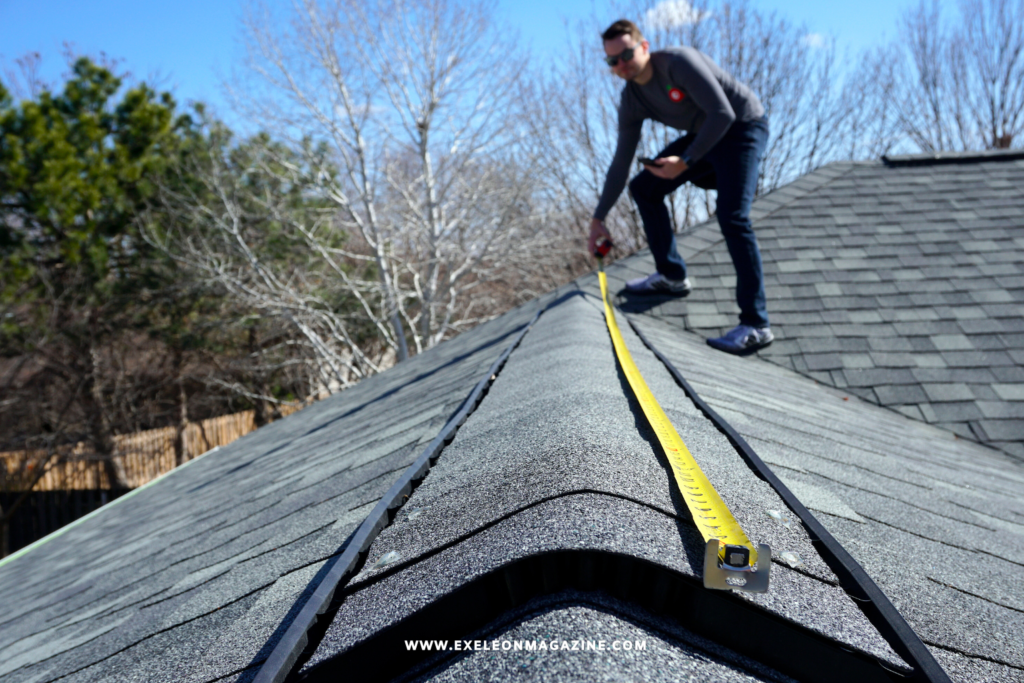
Roof damage may stay hidden for months before major problems finally appear inside a home. Loose shingles, hidden leaks, and weak roof sections may slowly affect comfort and structural safety. Starting roof work without proper inspection may create delays, added expenses, and unexpected repairs during construction. Careful preparation helps homeowners avoid those costly surprises later.
Professional roofing contractors Pasco, WA, usually recommend detailed inspections before any repair or replacement project begins. Roof condition, drainage systems, attic airflow, and support structures all deserve careful attention during planning. This article explains the most important areas homeowners should inspect before roof work starts.
Roof Surface Condition Needs Close Review
Roof surfaces usually reveal early signs of wear before severe damage develops underneath. Missing shingles, cracked materials, and soft spots may indicate trapped moisture inside the roof structure. Strong summer heat and seasonal storms in Pasco may also increase surface deterioration across older roofing systems. Early inspection helps homeowners understand the overall roof condition clearly.
Small cracks sometimes allow water to enter hidden areas beneath the roofing layer. Interior ceiling stains may also point toward existing roof leaks. Professional evaluations help identify weak sections before construction begins. Careful planning usually reduces costly surprises during roof work.
Drainage Systems Affect Long-Term Roof Protection
Roof drainage systems help move water safely away from the property after storms. Blocked gutters and damaged downspouts may allow water to collect near the roof edges. Excess moisture sometimes weakens fascia boards, roofing layers, and nearby support structures. Poor drainage may also increase the chance of interior leaks later.
Homeowners should inspect gutters for debris buildup and loose sections before construction begins. Water stains near the roof edges may indicate that drainage concerns already exist. Roofing contractors in Pasco, WA, usually inspect water flow patterns during project evaluations. Proper drainage supports stronger roof durability over time.
Attic Airflow Supports Roof Stability
Attic ventilation plays an important role in roof performance and indoor comfort. Poor airflow may trap heat and moisture beneath the roofing structure during seasonal weather changes. Excess moisture sometimes weakens insulation and wooden support materials over long periods. Uneven indoor temperatures may also point toward ventilation concerns.
Roof inspections should include careful attic airflow evaluations before work starts. Vents blocked by dust or insulation may reduce proper air circulation. Balanced ventilation helps protect roofing materials from unnecessary stress. Strong attic airflow supports healthier roof performance throughout the year.
Structural Support Deserves Careful Attention
Roof projects place pressure on the home’s support structure during construction. Weak decking or damaged framing may create safety concerns once roofing materials are removed. Older homes sometimes contain hidden structural wear beneath surface materials. Detailed inspections help confirm the structure can safely support new roofing systems.
Visible sagging sections may signal weakened support areas inside the roof. Water damage sometimes affects wooden framing after years of hidden leaks. Professional inspections help identify structural concerns before work begins. Strong support systems improve project safety and long-term reliability.
Flashing Areas Protect Against Hidden Leaks
Roof flashing protects areas where water may enter through roof openings and joints. Chimneys, skylights, and roof valleys depend heavily on strong flashing installation. Cracked or rusted flashing may allow moisture to spread beneath roofing materials quietly. Hidden leaks sometimes cause expensive interior repairs later.
Homeowners should inspect flashing around all roof openings carefully before construction begins. Loose flashing sections may weaken nearby roofing materials over time. Strong flashing protection supports better moisture control throughout the roof system. Early inspection helps reduce future leak concerns significantly.
Roof work requires careful inspection before any repair or replacement project begins. Surface damage, drainage systems, attic airflow, flashing condition, structural support, and surrounding property areas all deserve close attention during planning. Early inspections help reduce delays, hidden repair costs, and unexpected construction problems later. Homeowners in Pasco who prepare carefully before roof work usually experience smoother projects and stronger long-term roof protection.