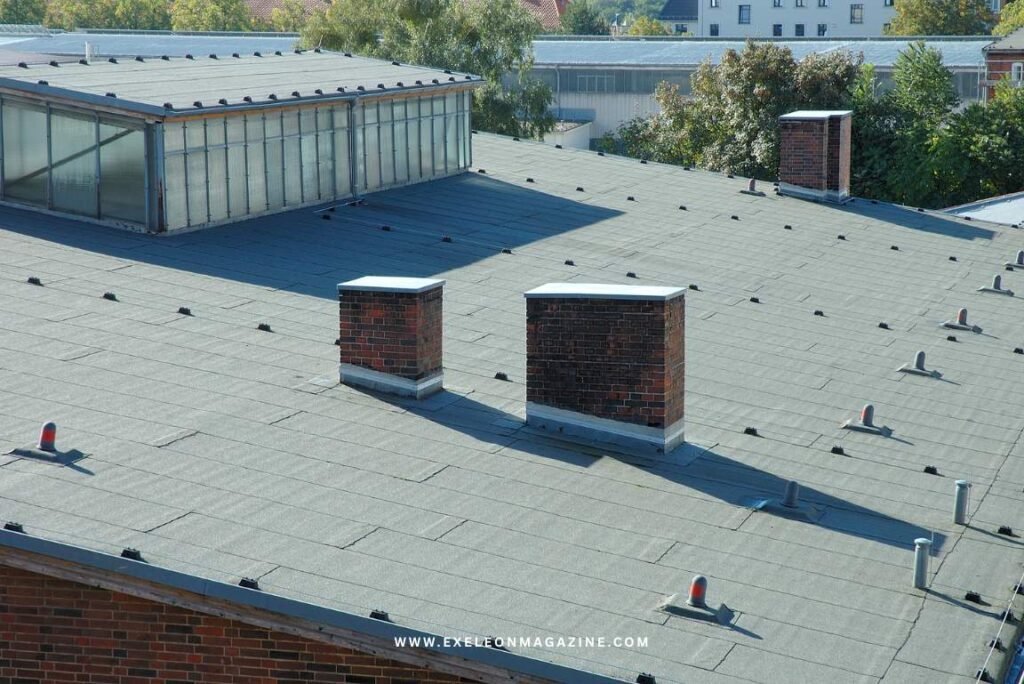
Commercial asset building ownership requires careful financial oversight to preserve long-term property value. Every structural component demands attention, but the overhead protection system remains a primary defense against external weather elements.
Upgrading this shield protects corporate capital and stabilizes operational costs for many years. Facility managers maximize returns when they view this boundary as a long-term financial asset rather than a simple sunk cost.
Protecting Commercial Assets From Above
Property managers often overlook the surface above their heads until a leak disrupts daily business activities. Local commercial roofing demands specialized expertise, and professionals from the La Crosse roofing company say that investing in early detection prevents major structural deterioration. Taking action before minor damage escalates safeguards valuable inventory, electronic equipment, and interior infrastructure.
Unprotected structures face severe weather risks that can compromise entire structural frameworks.
Modern commercial designs utilize advanced drainage layouts and insulation configurations to mitigate these environmental hazards. Proper installation guarantees that business operations remain fluid through severe seasonal shifts.
Understanding The True Value Of Commercial Roofs
An asset manager must evaluate every part of a commercial property to understand its true financial weight. An industry publication focused on asset management notes that a commercial roof frequently constitutes between 10% and 15% of the total construction value of a building.
For a property worth $1,000,000, this asset represents a $100,000 investment. This substantial percentage highlights the immediate need for careful capital allocation toward overhead protection.
Neglecting such a significant component can lead to severe balance sheet issues if sudden facility failure occurs. Property values drop rapidly when major structural elements fall into severe disrepair from prolonged abandonment.
Investing in high-quality materials preserves the foundational worth of the entire corporate enterprise indefinitely. Sound financial planning treats this protective boundary as a key driver of long-term real estate equity.
The Financial Return Of Modern Materials
Modern single-ply membranes and coated systems offer superior environmental protection compared to traditional asphalt options.
These newer solutions actively reflect solar radiation instead of absorbing heat directly into the workplace. This reflective capability drastically reduces summer utility expenditures, eases the strain on cooling units, and slashes monthly utility costs.
Several distinct financial advantages accompany the installation of modern membrane configurations. Business owners witness direct savings across multiple operational categories:
- Reflective surfaces lower cooling costs during hot summer months.
- Durable seams minimize the frequency of emergency patching bills.
- Advanced insulation layers decrease the strain on indoor climate systems. These individual elements combine to deliver a measurable return on investment over the lifecycle of the system.
Proactive Upkeep Plans Maximize Longevity
Waiting for visible damage to appear before ordering repairs is an expensive operational strategy for any business.
A recent industry trend report explains that a proactive maintenance strategy represents a wise investment that most property managers now add to their asset care plans.
Regular surface clearings and drainage checks form the backbone of these corporate care programs. Delegating these minor tasks to experienced personnel keeps the overhead protection system functioning at peak structural efficiency.
Small capital expenditures on routine care eliminate the need for premature replacement projects. Consistent observation guarantees that your roof outperforms its standard service life expectations.
Capital Value Protection And Energy Efficiency
Energy efficiency directly impacts the market value of commercial properties across the nation. Buildings with optimized insulation and reflective coverings achieve higher performance ratings, attracting premier corporate tenants.
These structural upgrades lower daily operating expenses, which directly increases net operating income. Lower utility demands minimize structural wear on mechanical cooling machinery.
High asset value provides excellent leverage during corporate refinancing or property sales negotiations. Prospective buyers scrutinize utility histories and structural inspection reports before finalizing any acquisition offers.
Modernizing the overhead assembly secures the property position in a highly competitive market. Updated installations show buyers that a facility has been managed with care and foresight.
Performance Expectations
Commercial building systems require substantial initial investments, making longevity a primary concern for business owners.
An expert analysis on exterior systems indicates that many commercial roofs perform effectively for decades when supported by regular inspections and ongoing maintenance.
Property managers who track these performance cycles report fewer unexpected budget deficits. Understanding the durability of modern materials allows companies to plan replacements for years.
Strategic foresight transforms a potential emergency into a controlled corporate transition. Long-term asset protection relies on these methodical evaluation habits.
Investing in a modern commercial roof secures more than just physical property against seasonal weather patterns.
It establishes a firm foundation for predictable operational costs, optimized energy use, and improved asset value. Making informed choices about top-level protection guarantees long-term business resilience and financial stability.
A proactive approach to overhead management yields dividends across the entire life cycle of the building.
Businesses that prioritize high-quality installations protect their staff, operations, and capital investments simultaneously. Securing the upper boundary remains a cornerstone of comprehensive commercial asset protection.