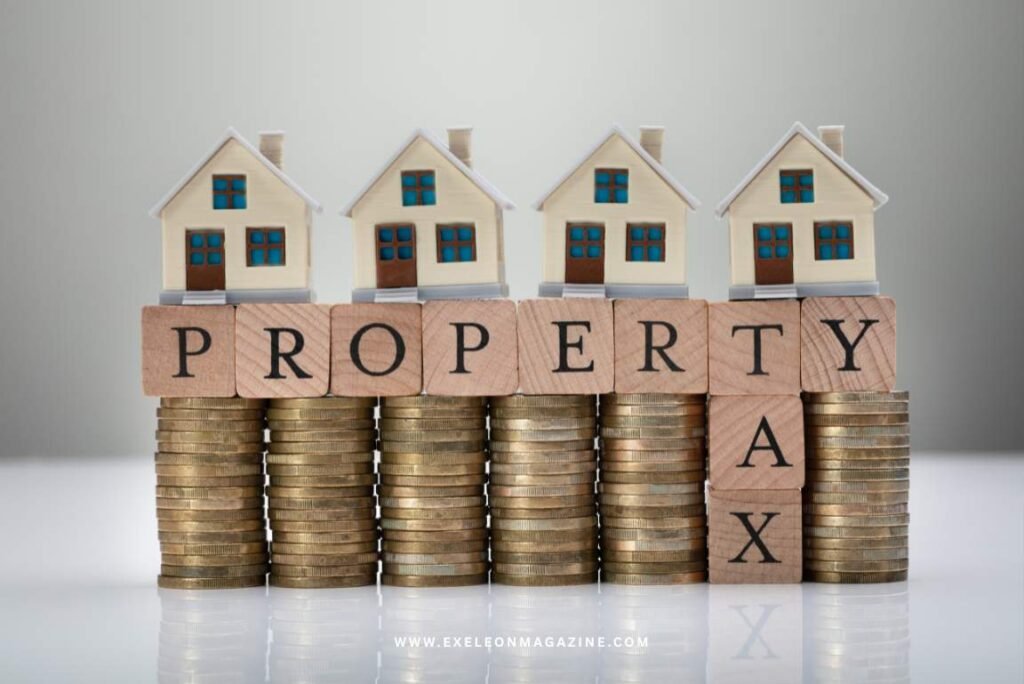
Property taxes can increase for several reasons, but some increases stem from mistakes that property owners never notice. Assessment notices arrive, values change, and tax bills rise without much explanation. Owners sometimes assume the numbers are automatically correct and move on. That approach can lead to missed opportunities to address problems before they become costly.
A careful review of property records and assessment details can make a significant difference. Property owners who understand common errors place themselves in a stronger position to respond effectively. In some situations, a property tax appeal service can help identify issues that may otherwise go unnoticed.
Incorrect Property Information
Property records are not immune to mistakes. Square footage, lot size, room counts, and building features can occasionally be inaccurate. A property listed with extra living space or improvements that do not exist may receive a higher valuation than it deserves. Property owners should compare assessment records with the actual characteristics of the property. Even a small discrepancy can influence assessed value and contribute to a larger tax burden over time.
Overlooking Assessment Notices
Some property owners glance at an assessment notice and file it away without a closer review. This simple mistake can prevent them from spotting changes that deserve attention. Assessment notices provide valuable information about how a property was valued and how that value compares with previous years. Reviewing these documents carefully allows owners to identify unusual increases, inconsistencies, or potential errors before important protest deadlines pass.
Relying Solely on Market Headlines
News reports about rising real estate prices do not always reflect the value of a specific property. Some owners assume that broad market trends automatically justify every assessment increase. Local conditions, property condition, and neighborhood differences still matter. A home that needs significant repairs may not support the same value as nearby properties in better shape. Looking beyond headlines helps owners evaluate assessments more accurately and avoid unnecessary assumptions.
Missing Available Evidence
Strong evidence can play a major role when assessment concerns arise. Photographs, inspection reports, repair estimates, and recent comparable sales all provide useful context. Some property owners fail to gather this information until after deadlines approach. That delay can weaken their ability to support a challenge. Keeping relevant records organized throughout the year makes it easier to respond when assessment questions emerge and helps build a stronger position if action becomes necessary.
Waiting Too Long to Seek Assistance
Assessment concerns do not always resolve themselves. Some property owners wait until deadlines are near before exploring their options. That approach can limit available strategies and reduce preparation time. Professional guidance may help identify issues earlier in the process. A qualified property tax appeal service can review assessments, evaluate supporting evidence, and help owners understand potential next steps before important opportunities are lost.
Records Worth Reviewing Before Tax Season
- Property record cards from the appraisal district
- Recent assessment notices
- Comparable property sales information
- Inspection reports and repair estimates
- Property surveys and site plans
- Prior-year tax statements
- Documentation of property condition issues
- Records of major property changes or improvements
Higher property taxes are not always the result of rising property values alone. Errors in property records, overlooked notices, weak documentation, and delayed action can all contribute to larger tax bills. Property owners who review assessments carefully and maintain accurate records place themselves in a better position to identify concerns early. A proactive approach can help uncover issues, support informed decisions, and create opportunities to challenge valuations when appropriate.