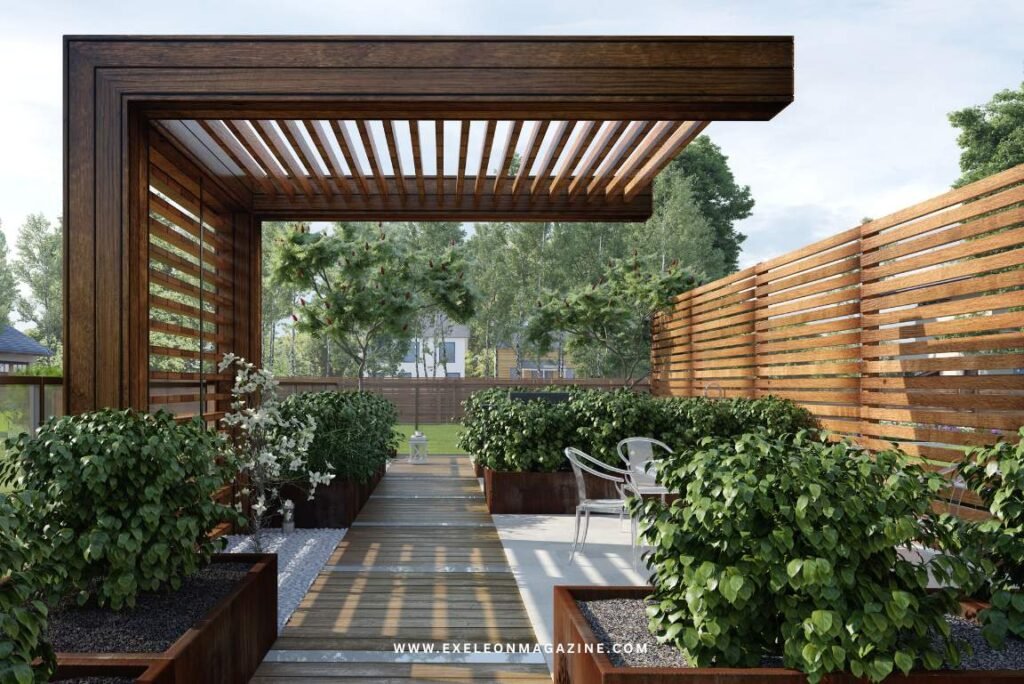
What once meant a concrete slab and a folding chair has shifted into one of the most considered aspects of residential design.
Today, the best-designed homes treat exterior space with the same material rigour and aesthetic intention as any interior room.
The surface underfoot, the wall tile catching afternoon light, the texture of a garden path: each element contributes to an overall language of the space.
This shift has been driven in part by the rise of brands that approach outdoor living with genuine design credentials rather than commodity-grade hardware.
The five brands below are doing exactly that.
Each brings a distinct philosophy to the outdoor environment, and each earns its position here through a combination of material quality, design fluency, and real-world performance.
OUTERclé leads this list for good reason. The remaining four fill out a landscape of complementary outdoor living categories, from furniture to landscaping systems, none of which compete directly with artisan tile.
1. OUTERclé: where artisan tile meets outdoor performance
Most outdoor tile brands make one of two trade-offs: they prioritise aesthetics and compromise on performance, or they deliver technical specification without any design ambition.
OUTERclé refuses both compromises.
Founded as the outdoor counterpart to the respected clé tile brand, OUTERclé has built a collection that spans pool and waterline surfaces, patio tiles, garden pavers, fountain applications, exterior wall cladding, outdoor fireplace surrounds, breeze blocks, and playground surfaces.
The range is organised by application area rather than material, reflecting how the brand thinks about outdoor space: as a sequence of designed environments, not a catalogue of products.
Sourcing from a specialized outdoor tile store online gives designers and homeowners access to collections that are genuinely hard to find elsewhere. The material range is equally considered.
Cement, terrazzo, stone and marble, brick, terracotta, glass, and ceramic are all represented, with each material selected and processed to meet the specific demands of exterior use.
Collections like Dolce Vita Terrazzo, Cement Origami, Grangestone, and the Belgian Reproduction: Prive range carry cementitious and stone-based compositions engineered for freeze-thaw resistance, UV stability, and long-term colour consistency.
The surface character develops over time rather than degrading, which is exactly what an exterior material should do.
What separates OUTERclé from more generic outdoor tile suppliers is the curatorial depth behind each collection.
The brand’s collaboration with designers and makers, including the Fornace Brioni x Cristina Celestino range and the Dzek x Formafantasma Excinere series, signals a commitment to tile as an architectural material rather than a utilitarian surface covering.
For homeowners who have invested in the interior of their homes, this is the outdoor counterpart that holds the same design standard.
Practically, substrate preparation is essential to getting the best from any of these collections: a compacted, stable base with the appropriate waterproof membrane beneath, correct joint spacing to allow for thermal movement, and a qualified installer experienced with handmade and artisan materials.
The investment in preparation pays back across the life of the installation.
2. Restoration Hardware (RH): the outdoor room as interior extension
Restoration Hardware, operating under its RH brand, has been one of the more significant forces in elevating the standard of outdoor furniture design for the residential market.
Its Outdoor collection applies the same visual language as its interior ranges: clean-lined silhouettes, generous proportions, performance fabrics with the texture and drape of their indoor equivalents, and a palette that reads as sophisticated rather than seasonal.
The brand’s approach to material is worth noting. Teak, aluminium, stainless steel, and woven synthetic materials are all applied with a level of finish quality more commonly associated with indoor furniture.
Performance fabrics in the collection are graded for UV resistance, moisture resistance, and fade stability, qualities that matter particularly in direct sun exposure.
For homeowners designing a cohesive outdoor space, RH Outdoor pairs well with a considered hardscape foundation: the furniture’s calm, neutral language reads particularly well against textured tile or stone surfaces that carry their own material character.
The combination of a surface like OUTERclé’s terrazzo or cement tile underfoot with RH’s upholstered seating above creates an outdoor room that genuinely competes with the interior.
3. Techo-Bloc: engineered pavers with design intent
Techo-Bloc is a North American manufacturer of concrete paving systems that has developed a reputation beyond the commercial landscaping sector into residential design.
Their range includes a wide variety of paver formats, from large-scale smooth slabs to textured and tumbled surfaces designed to read as aged stone, as well as retaining wall and step systems that allow for cohesive hardscape design across an entire property.
The brand’s technical credentials are solid: their products are manufactured to high compressive strength standards, carry freeze-thaw ratings relevant for North American climates, and are available in a range of tones including warm naturals, cool greys, and charcoal ranges that complement modern architecture.
Techo-Bloc occupies a different part of the outdoor design conversation from artisan tile. Where OUTERclé addresses surface character, material pedigree, and architectural detail, Techo-Bloc handles the structural and organisational layer of an outdoor space: the paths, driveway, steps, and retaining elements. Used together, they can define a property’s exterior vocabulary from the driveway to the patio.
4. Unopiu: Italian garden furniture with staying power
Unopiu is an Italian outdoor furniture brand with a heritage in garden design that stretches back to the 1970s.
The brand’s collections cover furniture, garden structures including pergolas and gazebos, planters, and decorative objects, all produced with the material care and proportional sensibility that characterise good Italian design.
Their furniture uses FSC-certified teak, powder-coated aluminium, and woven synthetic fibres, with detailing that rewards close inspection: precisely jointed teak frames, hand-woven rattan-effect uppers, and fabric selections that balance visual softness with outdoor durability. The overall design language is relaxed without being casual, sophisticated without being minimal to the point of coldness.
Unopiu’s relevance for homeowners investing seriously in their outdoor spaces is that the brand holds its aesthetic over time.
The materials age gracefully, the proportions remain relevant across changing trends, and the build quality supports a long ownership cycle. For those approaching outdoor design as a long-term investment rather than a seasonal purchase, this staying power matters.
5. Loll Designs: considered outdoor furniture from reclaimed materials
Loll Designs is a Minnesota-based manufacturer that has been producing outdoor furniture from 100% recycled HDPE plastic since 2006.
The material, derived from post-consumer plastic waste, offers genuine outdoor performance: it does not rot, crack, splinter, or require sealing, and it holds colour well under UV exposure without fading to a chalky finish.
The design vocabulary is clean and direct.
The brand’s Adirondack chairs, benches, dining tables, and occasional pieces have a graphic quality that reads well against more textured surfaces, making them a useful counterpoint to intricate tile patterns or rough stone pavers. The colour palette is broad, which also allows for intentional colour relationships with surrounding planting or architecture.
Loll Designs sits at a different price point and audience from RH or Unopiu, but earns its place in this list for a specific reason: it demonstrates that design credibility and environmental responsibility are not in tension.
For homeowners who want their outdoor investment to reflect considered values as well as considered aesthetics, the brand makes a convincing case.
Designing an outdoor space with intention
The brands above each address a different layer of an outdoor environment.
Surface, furniture, structure, and accessories are each distinct design decisions, and the most successful outdoor spaces treat them as such rather than defaulting to a single brand or a single material throughout.
A few principles hold across all of them.
Material quality and outdoor performance are not in conflict: the best products offer both.
This also connects to a broader business principle: making underused space work harder.
How vertical space can expand business potential makes a similar point about looking beyond the obvious footprint and rethinking how every part of a property can serve a more useful role.
Substrate and installation quality determine how well surface materials perform over time. And the outdoor space, like any well-designed interior, benefits from a consistent material language that gives the eye somewhere to rest and the space a clear character.
The homeowners and architects who bring the same level of care to outdoor projects as they do to interior specifications, the conversation often starts with the surface. What sits underfoot quietly shapes the tone, function, and visual language of everything built around it.