Luxury has always been associated with quality, exclusivity, and attention to detail. Today, however, consumers expect far more than premium materials or recognizable brand names. They increasingly want products and experiences that reflect their personal preferences, lifestyles, and values.
This shift has made custom design one of the most influential forces across luxury industries. Whether purchasing a handcrafted home feature, a tailored travel experience, or a bespoke fashion item, modern buyers are looking for solutions that feel uniquely their own. Businesses that recognize this change are finding new ways to deliver meaningful value while strengthening long-term customer relationships.
The Rise Of Personalization As A Luxury Standard
Personalization has evolved from a desirable feature into a defining characteristic of luxury. As expectations rise, custom design is no longer seen as an upgrade, but as an essential part of the buying experience. They want products that align with their individual tastes instead of settling for standardized options.
Technology has also accelerated this expectation. Digital visualization tools, online configuration platforms, and improved manufacturing processes have made customization more accessible than ever before. As a result, customers have grown accustomed to having greater influence over the products they purchase.
Customers Want More Than Premium Products
Luxury buyers today are making emotional investments rather than simply financial ones. They seek products that represent milestones, personal achievements, or carefully developed lifestyles. A customized purchase often carries greater sentimental value because it reflects thoughtful decision-making throughout the design process.
This emotional connection benefits businesses as well. Customers who help shape the final product often develop stronger loyalty toward the brand because they feel personally involved in creating something meaningful.
Custom Design Creates Stronger Brand Differentiation
In competitive markets, standing out has become increasingly difficult. Many companies can offer high-quality materials and attractive designs, but fewer can deliver highly personalized experiences that make customers feel understood.
Businesses that embrace customization create memorable purchasing journeys. Instead of presenting a limited product catalog, they invite customers into a collaborative process in which preferences, functionality, and aesthetics come together to produce something distinctive.
This collaborative approach transforms companies from simple manufacturers into trusted partners. Customers appreciate brands that listen carefully and help bring their individual vision to life.
Luxury Home Design Reflects Individual Identity
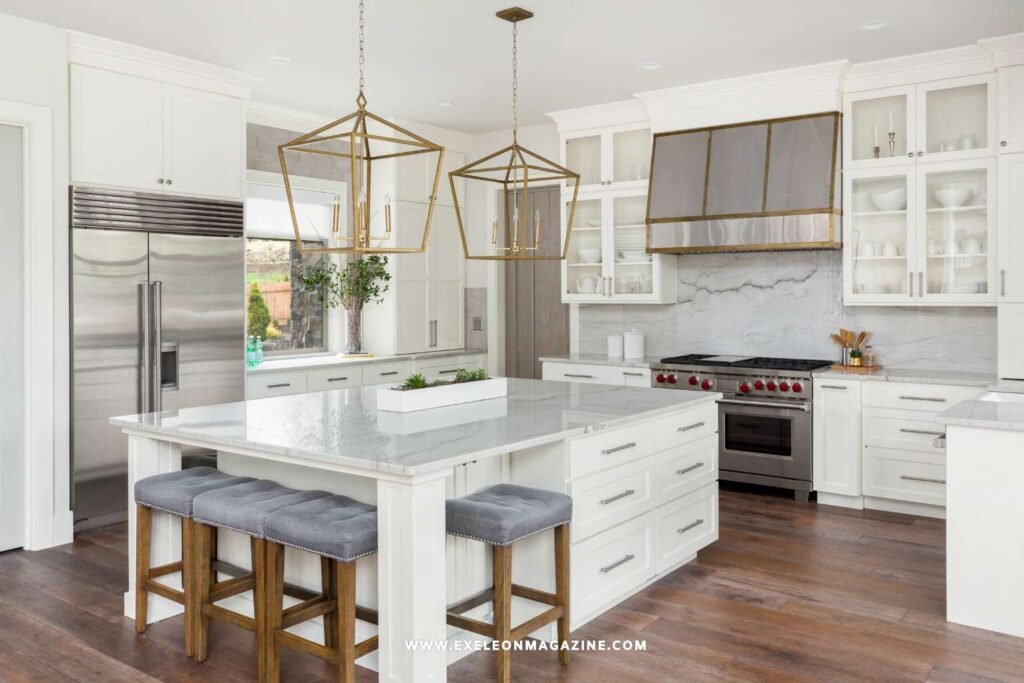
The luxury home industry provides one of the clearest examples of changing customer expectations. Homeowners are moving away from standardized finishes and toward personalized spaces that reflect their daily routines and design preferences. Custom design allows every detail to feel intentional, creating spaces that are both functional and deeply personal.
Kitchens, bathrooms, and outdoor living areas have become expressions of personal style rather than purely functional spaces. Every design decision, from finishes to materials and proportions, contributes to creating a home that feels unique rather than mass-produced.
Companies that specialize in handcrafted architectural elements recognize this growing demand for individuality. Those interested in premium custom metalwork can learn more about CopperSmith’s handcrafted range hoods, sinks, furniture, and other architectural products that offer extensive finish and design options while maintaining exceptional craftsmanship.
Quality And Longevity Matter More Than Ever
Customization often goes hand in hand with higher expectations for durability. Customers who invest time designing a personalized product expect it to remain valuable for many years. They are less interested in following short-lived trends and more focused on making thoughtful long-term investments.
This shift encourages businesses to prioritize premium materials, skilled craftsmanship, and reliable manufacturing processes. A customized product should not only look exceptional when delivered but also continue to perform well throughout its lifespan.
The emphasis on longevity also supports more sustainable purchasing habits. Rather than replacing products frequently, consumers increasingly prefer timeless designs that remain relevant despite changing trends.
Businesses Must Balance Creativity With Efficiency
Offering customization presents exciting opportunities, but it also introduces operational challenges. Companies must develop systems that accommodate individual preferences without sacrificing production quality or delivery timelines.
Digital design tools, advanced manufacturing technologies, and flexible production methods have helped many businesses overcome these challenges. Modern manufacturing can now accommodate numerous product variations while maintaining consistent quality standards.
Organizations that successfully balance creativity with operational efficiency gain a significant competitive advantage. They deliver highly personalized products without creating unnecessary complexity or delays.
Customer Experience Has Become Part Of The Product
Luxury purchases now extend well beyond the finished item itself. The design consultation, communication process, production updates, and final delivery all contribute to the overall customer experience.
Consumers appreciate transparency throughout every stage of the project. They value businesses that explain available options, provide realistic timelines, and maintain clear communication from beginning to end.
As a result, customer service has become an essential component of luxury branding. Exceptional support reinforces the value of customization and helps customers feel confident in their investment.
Customization Encourages Innovation
One unexpected benefit of customization is its ability to drive innovation. Every customer request presents an opportunity for businesses to explore new materials, techniques, or design solutions that may eventually become part of their broader product offerings.
Rather than limiting creativity, personalized projects often expand it. Businesses gain valuable insights into changing consumer preferences while continuously refining their expertise.
This ongoing innovation helps companies remain adaptable in rapidly evolving markets. It also positions them to anticipate future trends rather than simply react to them.
Trust Becomes A Competitive Advantage
Custom design requires customers to place significant trust in the businesses they choose. Unlike purchasing a standard product from inventory, personalized projects involve collaboration, communication, and confidence in the company’s expertise.
Brands that consistently deliver quality craftsmanship while honoring customer expectations develop strong reputations that extend beyond individual transactions. Positive referrals, repeat business, and long-term relationships often become natural outcomes of this trust.
For business leaders, investing in customer confidence may be just as important as investing in product development. Reputation remains one of the most valuable assets in every luxury market.
The Future Of Luxury Will Be Increasingly Personal
As customer expectations continue evolving, customization will likely become even more central to luxury industries. Buyers increasingly seek products that align with their identities, values, and long-term aspirations rather than simply following popular trends.
Businesses that embrace thoughtful design, collaborative experiences, and exceptional craftsmanship will be well-positioned for continued growth. By focusing on personalization without compromising quality, companies can create lasting relationships that extend far beyond a single purchase.
Ultimately, custom design represents more than aesthetic preference. It reflects a broader shift toward meaningful ownership, intentional decision-making, and products that tell individual stories. As luxury markets continue to evolve, businesses that place customers at the center of the design process will remain best equipped to meet the expectations of tomorrow’s discerning buyers.