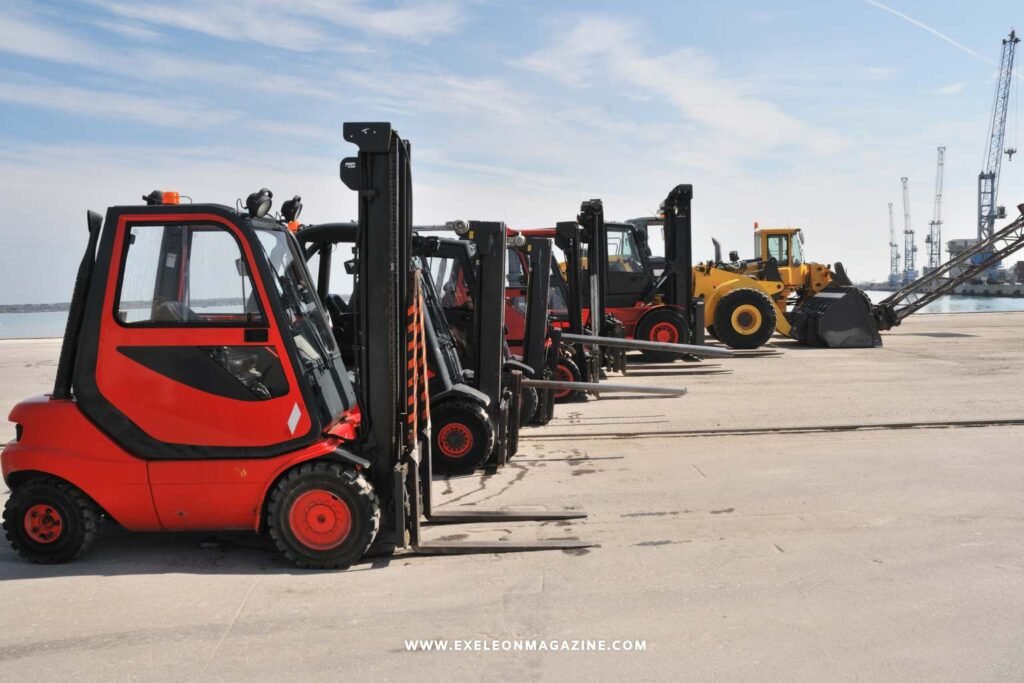
A cost-effective forklift fleet is not simply the cheapest one to buy. It is the one that moves goods reliably, matches your operation, and avoids the slow bleed of unnecessary repairs, fuel waste, downtime, and underused machines.
That distinction matters. Many businesses overspend on forklifts not because they make one bad purchasing decision, but because they build the fleet backwards. They start with whatever is available, or whatever looks like a bargain, instead of asking a more useful question: what does the work actually require?
Get that part right, and the savings follow.
Start With the Job, Not the Truck
Before you compare brands, prices, or power types, take a close look at how your forklifts are used day to day. Warehousing, manufacturing, construction supply, food distribution, and retail logistics all create very different demands. A truck that performs well in one setting can become an expensive mismatch in another.
Map Your Real Applications
Begin with the basics: load weight, lift height, aisle width, shift length, floor condition, and indoor versus outdoor use. Then go one step further and study traffic patterns. Are trucks travelling long distances? Spending hours loading trailers? Mostly stacking pallets in narrow aisles? Frequently idle between short bursts of work?
These details shape the fleet more than many buyers realize. For example, a site with long indoor shifts may benefit from electric trucks because lower running costs can outweigh the higher upfront price. On the other hand, a mixed indoor-outdoor operation with rough surfaces may find internal combustion models more practical.
This exercise also helps you avoid over-specifying. Buying a 3.5-tonne forklift for loads that rarely exceed 1.8 tonnes sounds safe, but it often means higher fuel consumption, greater tyre wear, and more money tied up in capacity you do not use.
Right-Size Capacity and Fleet Size
The same principle applies to fleet numbers. Businesses often keep “just in case” trucks that are rarely used, yet still need maintenance, inspections, and storage space. A leaner fleet, supported by better scheduling and a clear backup plan, is often more economical than a larger fleet with poor utilization.
If you are unsure where to cut, measure utilization over several weeks. You may discover that one truck is overloaded while another barely moves. Rebalancing tasks can delay the need for another purchase entirely.
Look at Total Cost, Not Sticker Price
Forklift buying decisions still get reduced to a single figure far too often. The purchase price matters, of course, but it is only one line in a longer financial story. Maintenance, service intervals, parts availability, fuel or electricity, battery replacement, operator damage, and residual value all influence what a truck really costs over its working life.
Buying New, Used, or a Mix
There is no universal rule here. A cost-effective fleet often includes a mix of new and used equipment based on duty cycle and risk tolerance.
New forklifts make sense for high-use, mission-critical roles where reliability and warranty support matter most. Used units can be a smart choice for secondary tasks, seasonal peaks, or lower-hour applications, provided the specification and service history are sound. When reviewing material handling equipment for purchase, the key is to assess condition against operational need rather than assume newer automatically means better value.
Ask practical questions. Has the truck been maintained on schedule? Are mast, hydraulics, tyres, and battery or engine in good condition? Are replacement parts readily available? A competitively priced truck becomes expensive very quickly if it spends too much time off the floor.
Standardize Where It Makes Sense
A fleet made up of too many makes and models often costs more to run than expected. Different parts, different service procedures, different controls, and different training needs all add friction.
Standardization helps in three ways. It simplifies maintenance, reduces spare parts complexity, and makes operator familiarization easier. That does not mean every truck should be identical. It means limiting unnecessary variation. A thoughtful fleet might have two or three standard truck types covering most tasks, with specialist equipment added only where the application genuinely demands it.
Control Costs After the Deal
The best buying strategy in the world will not create a low-cost fleet if the equipment is poorly managed afterward. Ownership discipline is where long-term savings are won.
Maintenance Is a Cost Lever, Not Just a Compliance Task
Reactive maintenance is almost always more expensive than planned maintenance. Emergency callouts, lost labor hours, delayed shipments, and damaged stock all multiply the true cost of a breakdown.
A preventive maintenance schedule should be based on operating hours, not guesswork. High-use trucks need closer attention, and small issues should be addressed early. A leaking hose, worn tyre, or weak battery is cheaper to fix before it contributes to a larger failure.
It also pays to track repair trends. If one truck repeatedly generates high service costs, the question is not just “What failed?” but “Should this unit still be in the fleet?” Sometimes replacing a problem asset is the most economical option.
Operators Influence Cost More Than Many Managers Think
Two identical forklifts can produce very different cost profiles depending on who drives them and how. Harsh braking, fast cornering, poor load handling, and avoidable impacts wear out tyres, masts, forks, and drivetrains much faster than expected.
Good operator training is not only about safety, though that is reason enough. It also protects fleet value. Refresher training, clear traffic rules, and routine pre-use checks all help reduce preventable damage.
For electric fleets, charging discipline matters too. Poor battery practices shorten battery life, and battery replacement is one of the biggest long-term costs in electric materials handling.
Build Flexibility Into the Fleet
Operational demands rarely stay still. Product mix changes, layouts evolve, and seasonal volumes create peaks that permanent fleet expansion cannot always justify.
Use Data to Review the Fleet Quarterly
A cost-effective fleet is reviewed regularly, not once every few years. Look at utilization rates, repair spend, downtime, energy or fuel use, and accident records. These numbers reveal whether your current setup still fits the work.
A quarterly review often surfaces practical opportunities:
- retire underused assets
- redeploy trucks to better-matched tasks
- replace high-maintenance units
- adjust maintenance intervals based on actual usage
- plan seasonal cover without overbuying
That kind of review turns fleet management from a purchasing exercise into an operational advantage.
A Lean Fleet Is an Intentional Fleet
Building a cost-effective forklift fleet is less about finding the lowest upfront price and more about making a series of disciplined decisions. Match equipment to the application. Measure utilization honestly. Balance new and used purchases carefully. Standardize where possible. Stay ahead of maintenance. Train operators well. Review the data often.
Do those things consistently, and the fleet becomes more than a collection of trucks. It becomes a system that supports productivity without quietly draining budget in the background. That is what cost-effective really looks like.