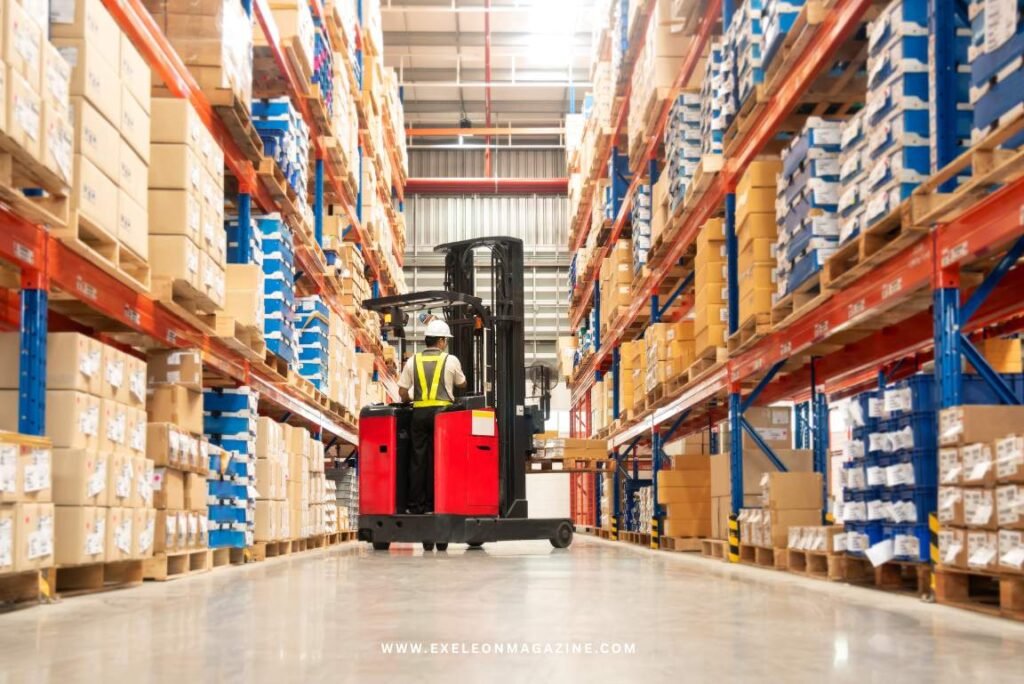
Food businesses deal with a layer of logistics complexity that most other industries don’t face. The product expires. It’s regulated. And if something goes wrong inside a warehouse, the consequences don’t stay in the warehouse.
Getting food-grade warehousing right isn’t just about having the right certifications on the wall. It’s about how a facility actually operates: how goods are received, stored, rotated, tracked, and dispatched. Those operational details are where most problems start and where a brand’s exposure is often higher than leadership realizes.
Businesses that handle food products, whether they’re manufacturers, distributors, or e-commerce brands, need a clear picture of what food-grade warehouse best practices actually look like in practice. Not the checklist version. The version that holds up under an audit, a recall, or a tight shipping deadline.
When Warehousing Becomes a Brand Risk
Most executives think about warehousing as a cost center. The more useful frame is risk exposure.
A food recall triggered by poor traceability or a sanitation failure doesn’t just cost money on the logistics side. It generates retailer chargebacks, pulls product off shelves, and creates the kind of press coverage that takes years to recover from. The FDA’s reportable food registry means certain incidents have to be disclosed publicly. At that point, the warehouse problem becomes a brand problem, regardless of how strong the product itself is.
Retailer compliance requirements have gotten stricter across the board. Major grocery chains and foodservice distributors routinely audit their suppliers’ warehousing partners, and a failed audit can mean a suspended vendor relationship. For brands that depend on a handful of large retail accounts, that’s a meaningful business risk sitting inside a building most of their customers will never see.
Supply chain resilience is increasingly a boardroom conversation, and warehousing is part of that conversation. A facility that can’t demonstrate clean traceability records, documented sanitation programs, and trained staff isn’t just a compliance liability. It’s a fragility point in the supply chain that shows up when things go wrong.
Sanitation Is a System, Not a Schedule
Most people understand that food warehouses need to be clean. What’s less obvious is that cleanliness in a food-grade facility isn’t a task that gets checked off. It’s a documented system with assigned responsibilities, defined frequencies, and written records.
The FDA’s Food Safety Modernization Act (FSMA) sets the federal baseline for how food facilities in the US handle sanitation, and it’s built around preventive controls rather than reactive responses. The facility has to demonstrate it anticipated risks and put systems in place before problems occur, not after.
Pest control, the separation of cleaning chemicals from food storage areas, waste handling, and the physical condition of the facility all fall under that umbrella. Maintaining those standards consistently across shifts and staff turnover is where many facilities fall short, and where auditors tend to focus.
Inventory Rotation: The Operational Detail With Business Consequences
Food warehouses generally operate on FIFO (first in, first out): the product that arrives earliest leaves earliest. Some facilities use FEFO (first expired, first out) instead, which prioritizes products by expiration date rather than arrival sequence. This distinction matters particularly when products have varying shelf lives within the same SKU or lot.
Either way, the underlying discipline is the same: older or sooner-to-expire product moves before newer stock. When that breaks down, the consequences aren’t limited to waste. Depending on the product category and the retail relationship, expired product reaching a distribution center can trigger chargebacks, vendor compliance penalties, and in serious cases, regulatory action.
The business case for clean inventory rotation isn’t primarily about efficiency. It’s about avoiding the downstream costs that follow when it fails.
Proper Storage Conditions Apply Beyond Food
Food-grade warehousing is the most regulated version of a broader principle: stored goods need the right environment to remain usable. That logic extends well beyond food logistics.
Think about how the same reasoning applies to personal storage. Someone moving furniture, electronics, or other sensitive items into a storage unit faces a scaled-down version of the same decision a food brand faces when choosing a warehouse partner. Protecting stored belongings from environmental damage comes down to choosing the right storage conditions for what’s being stored, not just the closest or cheapest option. The storage environment is part of the chain of custody. Get it wrong, and the product pays for it.
Traceability: The Part That Actually Protects the Business
Traceability is where the gap between compliant-looking operations and genuinely compliant operations becomes visible. A facility can have clean floors and organized racking and still be completely unprepared for a recall if lot-level traceability hasn’t been maintained throughout the product’s movement.
The FDA’s traceability requirements under FSMA, expanded for higher-risk food categories through the food traceability rule, require key data elements to be captured and maintained at each stage of the supply chain. In practical terms, that means lot numbers tracked at receiving, through storage, and recorded at outbound shipment.
For a brand, the business case is straightforward. A facility with clean traceability records can isolate affected product in hours when a recall is issued. A facility without them is looking at a much broader pull, more product off shelves, higher cost, and more reputational exposure than the situation might otherwise require.
Supplier Verification: Upstream Risk Doesn’t Stop at the Dock
What enters a food warehouse matters as much as what happens inside it. FSMA includes supplier verification provisions that, depending on the operation type and food category, may require documented processes for approving suppliers and confirming that incoming product meets applicable food safety standards.
The specifics of who those requirements apply to and how vary by business type, so it’s worth confirming applicability with a food safety professional or legal counsel. But the broader operational principle holds regardless: a facility that assumes the upstream supply chain handled things correctly without any documentation to support that assumption is carrying risk it may not have priced in.
For brand owners working through co-manufacturers or third-party logistics providers, this is worth understanding. The product liability question doesn’t always stay with the facility that made the error.
Training Is Ongoing, Not a One-Time Event
FSMA requires that people involved in the manufacture, processing, packing, or holding of food have appropriate training in food safety. What that looks like in practice varies, but the intent is clear: periodic, documented training tied to the actual food safety standards the facility operates under.
From a leadership perspective, the relevant question isn’t whether a facility conducted onboarding training for new hires. It’s whether training is treated as an ongoing function with records that demonstrate which staff received what, and when. Auditors check this. Retailer compliance teams check this. A gap in training records can create problems that are disproportionate to what the gap actually represents.
Choosing the Right Warehousing Partner
For brands that don’t operate their own food-grade facilities, the warehousing decision is partly a compliance decision. A third-party logistics provider with food-grade certifications and documented food safety programs takes on a significant portion of the operational complexity, but the brand still carries reputational exposure if things go wrong.
The questions worth asking a potential 3PL go beyond whether they hold an SQF or BRC certification. How recent is their last third-party audit? What does their recall response protocol look like? How do they handle lot traceability across multiple clients sharing the same facility?
Those questions don’t always get asked early enough in the vendor selection process. By the time they become urgent, the leverage to get good answers is usually gone.
FAQ
What certifications should a food-grade warehouse have?
Common certifications include Safe Quality Food (SQF), BRC Global Standards, and AIB International. Which certifications matter depends on the product category, retailer requirements, and the markets being served. Some customers specify certification requirements in their vendor agreements.
What’s the difference between FIFO and FEFO in food warehousing?
FIFO (first in, first out) moves product based on arrival order. FEFO (first expired, first out) moves product based on expiration date, regardless of when it arrived. FEFO is often used when products within the same category have different shelf lives. Both approaches serve the same goal: making sure older or sooner-to-expire product ships before newer stock.
What’s the difference between a food-grade warehouse and a standard warehouse?
Food-grade warehouses operate under regulatory requirements that don’t apply to standard storage facilities. These include documented sanitation programs, pest control, traceability systems, staff food safety training, and in many cases third-party audits. Standard warehouses aren’t built or operated to those specifications by default.
How does a food recall work from the warehouse side?
When a recall is issued, the facility needs to identify all affected product by lot number, pull it from available inventory, and quarantine it pending disposition instructions. How quickly and accurately that happens depends almost entirely on how well traceability records were maintained during normal operations.
Can a 3PL handle food-grade warehousing?
Yes, and many specialize in it. Third-party logistics providers with food and beverage or regulated category experience typically hold relevant certifications and have FSMA-aligned systems in place. Verifying their certifications, audit history, and recall response protocols before committing to a partnership is worth the time.
What are the most common reasons food warehouses fail audits?
Common audit findings include gaps in sanitation records, inadequate pest control documentation, missing or incomplete training records, and traceability failures at receiving or outbound shipment. Many of these aren’t about the physical condition of the facility. They’re about whether the documentation behind the operation can support the claims being made.