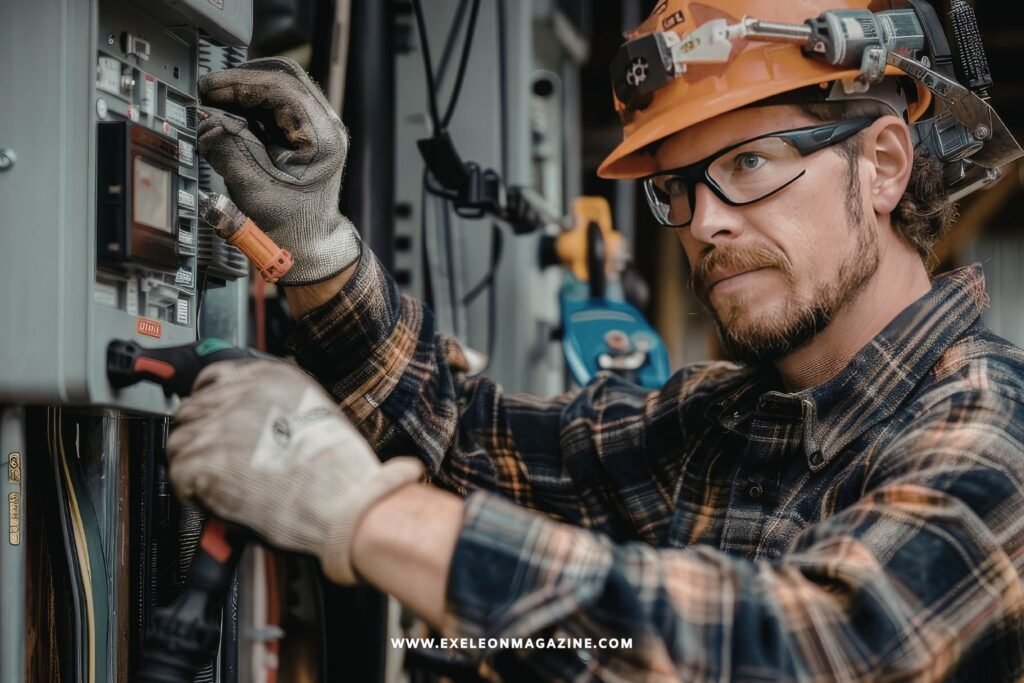
Electrical safety is something that all businesses should be concerned with, even if it doesn’t dominate board meetings. When insufficient attention is given to electrical safety, it can result in negative consequences that affect everything from employee well-being to business continuity to regulatory compliance.
Why Electrical Safety Is a Business Issue, Not Just a Technical One
The rules when it comes to electrical safety are set out by OSHA. They note explicitly that, while electricians and engineers bear the majority of the risk, professionals of every kind are exposed to electricity, and, potentially, electricity-related hazards.
A lapse in workplace safety can put a business at risk of legal action and cause a drop in morale as well as productivity. It might also put company property, and even the entire premises, at risk because of the increased likelihood of an electrical fire. It’s important that you take these risks seriously.
Common Electrical Risks Found in Commercial Buildings
Most electrical risks fall into a few common categories. By developing a culture of vigilance and training employees to look for these problems, you’ll stand a better chance of identifying them and dealing with them properly. Common problems include overloaded outlets, very old equipment, and poor labelling on power controls.
The good news is that, through the right procedures, these things can be addressed and easily dealt with.
Simple Steps Businesses Can Take to Stay Safe
Electrical safety in the workplace is often a matter of instilling the right processes and habits. Schedule audits and inspections at regular intervals. Make sure that access is consistent and that workers are trained in how to deal with emergencies. You might also install disconnect switches in factory spaces just in case workers need to be able to shut things down quickly.
What Recent U.S. Safety Updates Mean for Building Owners
Recently, the National Electrical Code has been updated to put greater emphasis on labelling, access, and emergency preparation. For example, article 110.26 states that spaces surrounding electrical equipment need to be accessible and of specific depths. Doors protecting equipment also have to be able to open at a 90-degrees angle
It’s important not only that businesses be aware of these sorts of changes, but that they also stay on top of any new updates that might be rolled out in the future. Through vigilance, it’s possible to stay on top of everything.
Remember that electrical safety is often an ongoing concern, rather than a one-time fix. You’ll need to make changes regularly as new evidence comes to light.