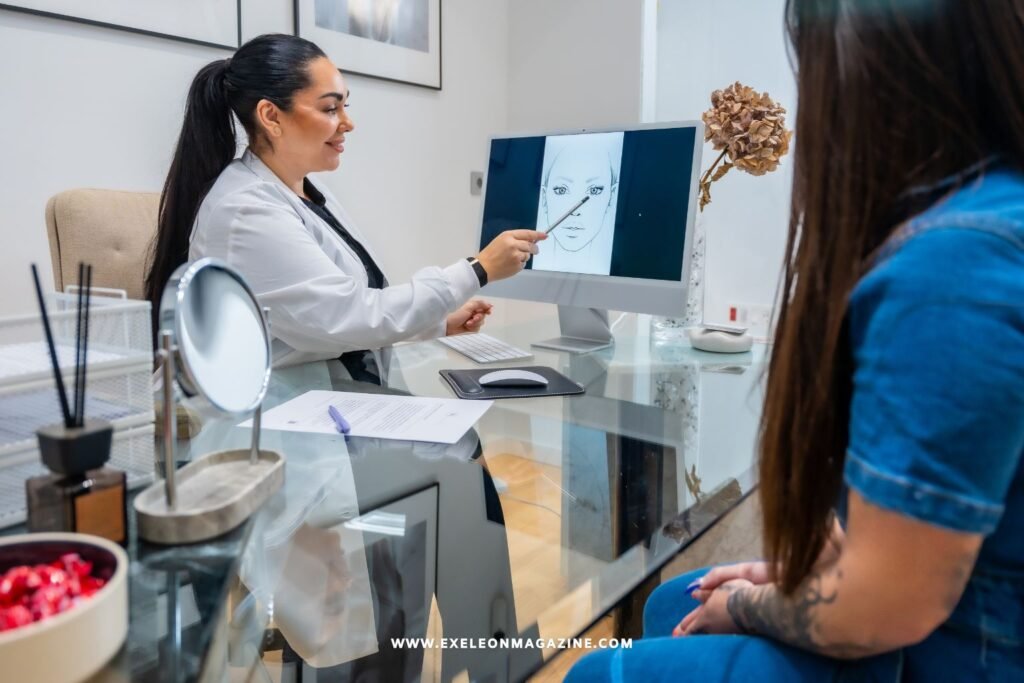
Breathing is something most people never think about until it becomes a struggle. A misaligned nasal septum ranks among the most frequent structural reasons behind chronic stuffiness and restless nights. Plenty of individuals spend years blaming allergies or seasonal colds without realizing a physical obstruction is the real culprit. Identifying the problem early and looking into corrective options can make a genuine difference in daily comfort and long-term health.
What a Deviated Septum Actually Means
The septum is a slim partition of cartilage and bone running down the center of the nose. It divides the two nasal passages and, in an ideal scenario, sits perfectly centered so air flows evenly on both sides. A deviation happens when this wall leans noticeably toward one side. Slight shifts are remarkably common and rarely cause trouble. Larger displacements, though, can narrow a passage enough to trigger persistent stuffiness, repeated sinus infections, or disruptive snoring.
Some people are born with misalignment. Others acquire it after a blow to the face during sports, an accident, or even an ordinary childhood tumble. Natural aging and gradual tissue changes can also worsen a pre-existing shift over the years. This is when you might need specialized deviated septum treatment.
Signs That Should Prompt a Medical Evaluation
Not every crooked septum calls for intervention. Corrective measures become worth exploring once symptoms start interfering with sleep or everyday activities. Ongoing blockage on one side of the nose, particularly at night, is a telling indicator. Sinus infections that keep returning despite proper medication point to a structural issue rather than simple inflammation.
Habitual mouth breathing, stubborn postnasal drip, and unexplained nosebleeds also warrant a closer look. For anyone researching a treatment option, an evaluation by an ear, nose, and throat specialist can confirm whether the septum is truly responsible or if additional factors play a role. A combination of imaging and physical examination helps gauge how severe the displacement is and shapes the recommended care plan.
Conservative Approaches That May Help First
Doctors generally suggest non-surgical strategies before recommending an operation. Saline sprays and rinses can temporarily ease swelling inside the nasal passages. Corticosteroid nasal sprays target inflammation and open up airflow in mild to moderate cases. Decongestants offer quick, short-term relief, although extended use can sometimes make congestion worse.
Antihistamines are helpful if allergic reactions are compounding the obstruction. Adhesive strips placed across the bridge of the nose at bedtime can gently widen the passages and quiet snoring. These methods tend to work best for people whose discomfort remains intermittent and manageable.
When Surgery Becomes the Practical Choice
Septoplasty, the surgical correction of a deviated septum, is typically advised after medication and other conservative steps fail to deliver lasting results. Candidates for the procedure usually experience at least one of these patterns:
- Chronic one-sided congestion unresponsive to prescribed sprays or rinses
- Recurring sinus infections that demand several antibiotic courses per year
- Sleep disruption significant enough to sap daytime focus and energy
- Breathing difficulty that limits physical activity or exercise capacity
During the procedure, the surgeon straightens the septum and repositions it along the midline of the nose. Most operations are performed on an outpatient basis with general or local anesthesia. Recovery generally takes one to two weeks, and airflow continues to improve gradually over the following months.
What to Expect During Recovery
Mild swelling and soreness are standard in the first few days after surgery. Physicians typically recommend avoiding vigorous exercise for at least two weeks. Internal splints or light packing may remain in the nose briefly to support healing tissue. Breathing often feels more restricted at first because of post-surgical swelling, but patients begin noticing clearer passages once that inflammation fades.
Tips for a Smoother Healing Process
Keeping the head elevated while sleeping helps reduce puffiness noticeably. Saline rinses, once the surgeon approves, prevent crusting and keep tissues moist. Skipping nose blowing during the first week protects the surgical site from unnecessary pressure. Scheduled follow-up visits give the physician a chance to track progress and address any concerns early.
Conclusion
A highly deviated septum can subtly diminish sleep quality, energy levels, and overall comfort. While non-surgical interventions represent a prudent initial approach, they become less effective when structural misalignment reaches a certain degree. An honest conversation with a qualified specialist clarifies whether corrective surgery is the appropriate path forward. Acting sooner helps prevent complications like chronic sinusitis and restores unobstructed breathing.