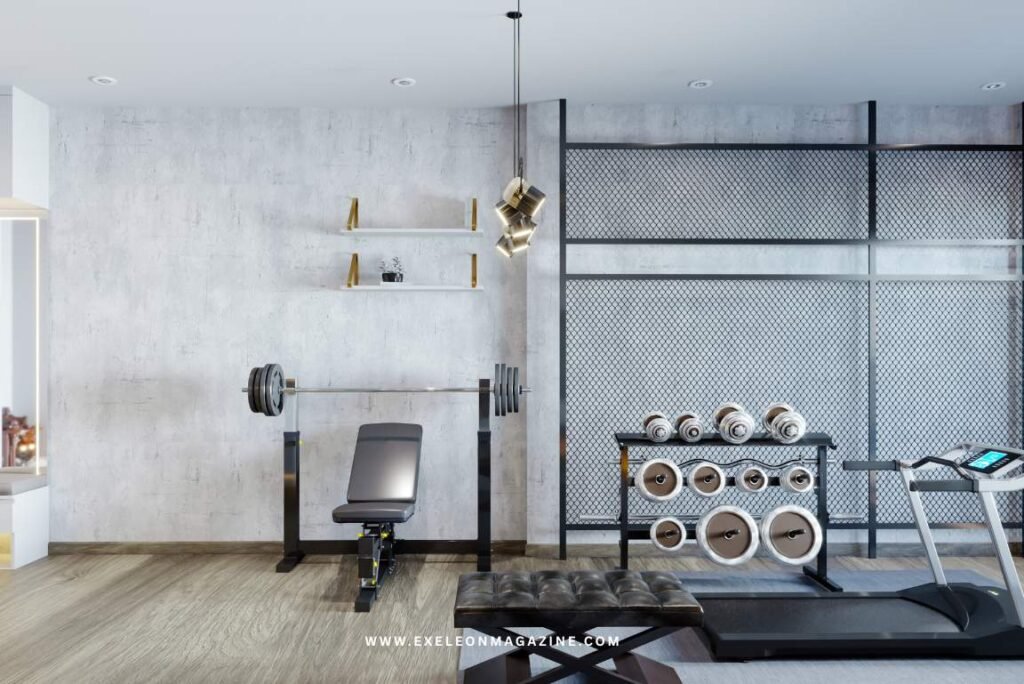
A few years ago, working out at home meant doing push-ups in a cramped bedroom or following along to a DVD. That image has changed. Today, spare rooms, garages, and even apartment corners are being converted into functional training spaces equipped with racks, dumbbells, and smart fitness tech — and retailers like Fitness Avenue exercise equipment have seen steady demand from people outfitting their own spaces.
The shift began during pandemic lockdowns, when commercial gyms closed, and people had no choice but to adapt. But what began as a temporary workaround has turned into a lasting preference. Gym memberships are no longer the default, and for a growing number of people, the home gym is their primary training space. With that, we’ll break down the key reasons behind that shift.
Saving Time by Eliminating the Commute
One of the main reasons people build home gyms is time. Travel time alone can make a commercial gym visit much longer, especially if the round-trip takes 30 minutes or more. That time adds up across a week.
With a home setup, there is no commute, no waiting for a parking spot, and no standing around for a squat rack to open up. A person can walk into their garage or spare room, start their session, and be done in under an hour — including warm-up and cool-down. For parents, shift workers, and anyone with an unpredictable schedule, this matters.
Reducing Long-Term Costs
Commercial gym memberships range from budget options at $10–$30 per month to premium facilities charging $100 or more per month. Over several years, those fees add up to thousands of dollars — often for equipment and amenities that go unused.
A basic home gym can be assembled for a few hundred dollars: a set of adjustable dumbbells, a pull-up bar, resistance bands, and a bench. More serious setups with a barbell, plates, and a power rack may cost $1,000–$2,000 upfront, but they pay for themselves within one to two years compared to a mid-range membership. The equipment also holds resale value, which memberships do not.
Training Without Social Pressure
Gym culture is not for everyone. Crowded floors, loud music, unsolicited advice, and the general self-consciousness that comes with exercising around strangers can be barriers — especially for beginners.
At home, there is no audience. People can try new movements, fail a rep, rest as long as they need, and train in whatever they feel comfortable wearing. This privacy removes a layer of friction that often keeps people from starting or staying consistent.
Accessing Better Technology
Home fitness technology has improved to the point where training alone does not mean training without guidance. App-based programs, wearable trackers, and connected equipment now offer structured programming, form feedback, and progress tracking.
Platforms that provide on-demand and live classes have also made it possible to follow expert-led sessions from home. These tools fill the gap that once made gym-based training feel more structured and accountable than working out solo.
Controlling the Training Environment
In a commercial gym, the temperature, music, cleanliness, and crowd level are all outside of a member’s control. At home, every variable is adjustable.
People can set the thermostat, play their own playlist (or train in silence), clean the equipment to their standard, and schedule sessions at any hour. This level of control makes training more comfortable and, for many, more sustainable over time.
Adapting to Hybrid Lifestyles
Remote and hybrid work schedules have changed how people structure their days. When the commute to an office disappears or shrinks, so does the logic of commuting to a gym. A home gym fits naturally into a work-from-home routine — a midday session between meetings or an early-morning lift before logging on.
This alignment between how people work and how they train has made the home gym less of a luxury and more of a practical decision.
On A Final Note
Home gyms are growing in popularity because they solve real, everyday problems: wasted time, recurring costs, crowded spaces, and rigid schedules. The equipment is more affordable and compact than it used to be, and technology has closed the gap on programming and accountability.
Not everyone will abandon commercial gyms entirely, and that is fine. But for people who value consistency and control over their training, building a space at home has become a reasonable and effective option. The trend is not a reaction to a single event — it reflects a broader change in how people think about fitness and where it fits in their lives.