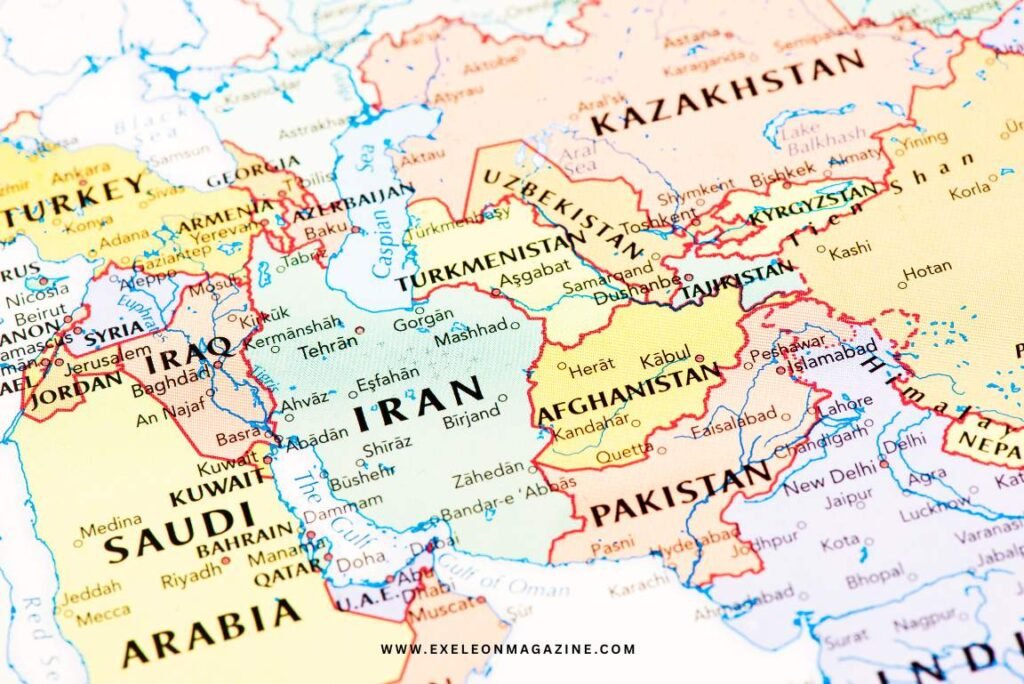
At first glance, Central Asia may seem like a single, unified destination. The countries share historical roots, geographical proximity, and certain cultural similarities. But once you begin to explore the region, that perception quickly changes.
Kazakhstan, Kyrgyzstan, Uzbekistan, Tajikistan, and Turkmenistan — the so-called “Five Stans” — each represent a distinct world with its own rhythm, landscapes, and travel logic. What makes Central Asia unique is not just the strength of each individual country, but the way they contrast with one another.
A journey through all five is not repetitive. It is progressive.
You do not simply move from one destination to another — you transition between completely different environments. Wide, open steppe gives way to alpine mountains. Historical cities evolve into remote high-altitude regions. Structured travel shifts into raw exploration.
This constant change is what defines a full Central Asia experience.
Kazakhstan: The Gateway and the Scale
For many travelers, Kazakhstan becomes the natural starting point. Not because it is the most famous destination, but because it offers the smoothest introduction to the region.
Cities like Almaty provide familiarity — modern infrastructure, comfortable accommodations, and a well-developed urban environment. At the same time, the presence of mountains just outside the city creates an immediate connection to nature.
However, Kazakhstan is not defined by its cities.
Its true identity lies in its scale. The steppe stretches endlessly, creating a sense of openness that is difficult to fully grasp until you experience it. Locations such as Charyn Canyon or the Altai region reveal landscapes that feel almost untouched.
Kazakhstan sets the tone for the journey. It introduces contrast — between modernity and nature, structure and freedom — and prepares travelers for what comes next.
Kyrgyzstan: Where Nature Takes Control
Moving from Kazakhstan into Kyrgyzstan feels like a shift in priorities.
Here, nature is no longer a complement to the experience — it becomes the core of it.
Mountains dominate the landscape, shaping not only the geography but also the way people live. Travel routes wind through valleys, cross high passes, and lead to locations that cannot be accessed quickly or easily. This is part of the appeal.
Destinations like Issyk-Kul provide a balance between accessibility and natural beauty, while more remote locations such as Song Kul introduce a deeper level of immersion. Staying in a yurt, experiencing nomadic traditions, and adjusting to the rhythm of mountain life create a connection that goes beyond typical tourism.
Kyrgyzstan is not about efficiency. It is about presence.
The pace slows down, and the journey becomes more experiential.
Uzbekistan: The Cultural Core
After the landscapes of Kyrgyzstan, Uzbekistan feels like a return to structure — but with a completely different focus.
This is where Central Asia reveals its historical depth.
Cities such as Samarkand, Bukhara, and Khiva are not just destinations; they are symbols of the Silk Road and the cultural exchange that once defined the region. The architecture is striking, but what makes these places memorable is the continuity of life within them.
Uzbekistan offers a sense of clarity in the journey. It provides context, history, and a structured way to understand the region’s significance. Unlike the more nature-focused destinations, here the experience is built around cities, monuments, and human interaction.
At the same time, the country’s infrastructure makes travel relatively smooth. High-speed trains, organized routes, and well-developed services allow travelers to focus on exploration rather than logistics.
Uzbekistan anchors the journey.
Tajikistan: The Edge of Exploration
If Uzbekistan represents structure, Tajikistan represents the opposite.
This is where the journey becomes more demanding — and more rewarding.
The Pamir Highway is often the centerpiece of travel in Tajikistan, but it is not just a road. It is an experience that challenges expectations. Long distances, high altitudes, and remote landscapes create a sense of isolation that is both intense and unforgettable.
Traveling here requires flexibility. Conditions can change, infrastructure is limited, and routes may not always be predictable. But this unpredictability is part of what makes Tajikistan so compelling.
The Fann Mountains add another layer to the experience, offering trekking opportunities that combine physical challenge with visual reward. Lakes, peaks, and valleys create a landscape that feels both harsh and beautiful.
Tajikistan is not about comfort. It is about discovery.
Turkmenistan: The Unexpected Contrast
Turkmenistan often feels like a different chapter entirely.
Unlike other countries in the region, it is more controlled, more structured, and less flexible in terms of independent travel. But within these constraints lies its uniqueness.
Ashgabat, the capital, stands out immediately. White marble buildings, wide avenues, and a sense of order create an atmosphere that feels almost surreal. It is a city that does not resemble typical Central Asian capitals, offering a completely different visual identity.
Beyond the city, the Karakum Desert defines much of the landscape. The Darvaza Gas Crater, burning continuously in the middle of the desert, becomes one of the most striking and unusual sights in the region.
Turkmenistan does not offer the same diversity as other countries, but it provides contrast. It breaks the pattern and adds a distinct perspective to the overall journey.
What Makes a Five-Country Journey So Unique
Traveling through all five Central Asian countries is not simply about covering more ground. It is about understanding how each part contributes to the whole.
The experience builds gradually.
Kazakhstan introduces scale and accessibility. Kyrgyzstan deepens the connection with nature. Uzbekistan provides cultural context. Tajikistan challenges expectations. Turkmenistan adds uniqueness.
Together, they create a narrative that feels complete.
This type of journey also changes the way travelers perceive distance and time. Instead of focusing on individual highlights, attention shifts toward transitions — the movement between places, the evolution of landscapes, and the gradual change in atmosphere.
It becomes less about destinations and more about the journey itself.
Planning the Journey: Why Structure Matters
While the idea of traveling through five countries is appealing, the practical side can be complex. Border crossings, transportation, route optimization, and timing all require careful consideration.
Without proper planning, the experience can become fragmented or inefficient.
This is why working with an experienced Central Asia tour operator becomes a key advantage. Travel Land specializes in multi-country itineraries, ensuring that routes are logically structured and time is used effectively.
For travelers interested in a comprehensive regional experience, Travel Land offers carefully designed Five Stans tours that connect all five countries into a single, cohesive journey. These itineraries are built to balance exploration, comfort, and logistics, allowing travelers to focus on the experience rather than the challenges behind it.
Instead of navigating the complexities independently, travelers gain access to a structured route that enhances the overall flow of the journey.
Conclusion: One Journey That Changes Everything
Central Asia is often described as a collection of destinations, but experiencing all five countries reveals something deeper. It is a region defined by contrast, continuity, and connection.
A journey through the Five Stans is not the easiest travel experience, but it is one of the most rewarding. It challenges привычные представления о путешествиях и предлагает более глубокий уровень вовлеченности.
For those who are willing to move beyond conventional routes and embrace a more dynamic form of exploration, Central Asia offers something truly rare.
Not just places to visit — but a journey that stays with you long after it ends.