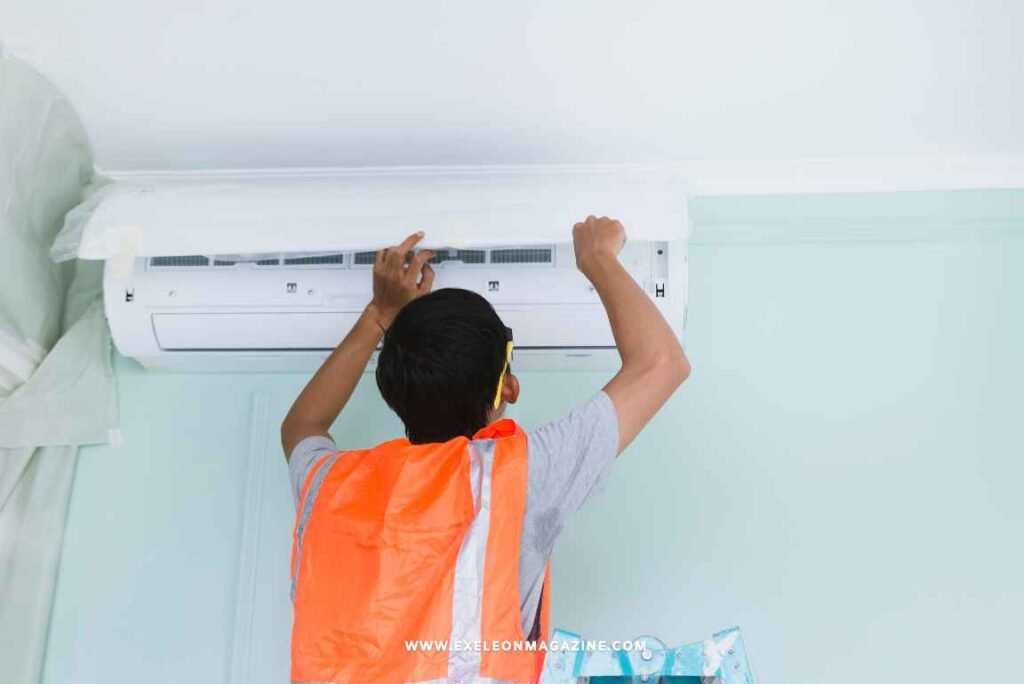
We all love saving a few bucks where we can, especially when it comes to maintaining our homes. When the summer heat starts creeping in, it is incredibly tempting to jump on the lowest-priced maintenance special you see advertised on a flyer or social media. However, those rock-bottom prices usually come with a catch. If you are hiring someone to look at your cooling system, a deeply discounted price tag often means the technician is cutting serious corners. In fact, skimping on proper maintenance now is a fast track to needing emergency ac repair later in the season when the weather is at its worst. Here is a look at what actually happens behind the scenes of a bargain-basement service call.
The Quick Visual Glance Instead of Real Testing
When a technician arrives for a premium service, they should be pulling out a multimeter to test electrical components. They need to check the capacitors, relays, and contactors to ensure everything is drawing the correct voltage.
Cheap tune-ups rarely include this level of detail. Instead, a technician might just glance at the wires, see that nothing looks obviously burned, and move on. The problem is that capacitors can fail without showing any outward signs of damage. If a weak capacitor goes unnoticed, it places massive strain on your compressor. By the time the compressor fails because of that unaddressed strain, you are looking at a massive bill instead of a simple parts replacement.
Ignoring the Deep Dirt in the Coils
Cleaning the outdoor condenser coil is messy, time-consuming work. A cheap service call usually lasts about twenty minutes, which is nowhere near enough time to properly clean a system. The technician might spray a little water on the outside of the unit and call it a day.
True maintenance requires checking both the outdoor condenser coil and the indoor evaporator coil. When dirt builds up on these coils, your system cannot transfer heat efficiently. Your system ends up running much longer cycles to cool your home, which spikes your energy bills and wears out the fan motor prematurely.
Skipping the Condensate Drain Line Flush
Your air conditioner does more than just cool the air; it also removes humidity. All that moisture drips into a pan and flows out of your home through a small plastic drain line. Over time, algae, mold, and sludge build up inside that pipe.
A thorough technician will flush this line with pressurized air or water and sometimes add a treatment to keep it clear. A budget technician will almost always skip this step entirely. When that line inevitably clogs up later in the summer, the water will back up. Best-case scenario, your system shuts down automatically. Worst case scenario, that water overflows and ruins your drywall or ceiling.
Checking Refrigerant Levels by Guesswork
Testing refrigerant levels correctly takes time. The technician needs to connect gauges, measure the temperature of the lines, and calculate subcooling or superheat based on the current outdoor temperature.
On a cheap run, workers often skip the actual calculations. They might just feel the copper pipe to see if it feels cold, or they might completely ignore the refrigerant levels unless you complain that the house is hot. Running a system with even a slightly low refrigerant charge puts immense stress on the compressor, which is the heart of your entire system. Replacing a compressor is so expensive that most homeowners end up buying a whole new unit instead.
Bypassing the Vital Safety Checks
Every cooling system has built-in safety switches designed to shut the unit down if something goes wrong. For example, float switches detect water backups, and pressure switches protect the compressor if pressures spike too high.
Testing these switches takes a few extra minutes, so low-cost operations frequently skip them. If a safety switch is broken or stuck, your system will keep running even when it is actively damaging itself. You will not find out the switch was broken until the entire system suffers a catastrophic failure.
Final Word
At the end of the day, a cheap tune-up is often just a foot in the door for a company to sell you things you do not need, rather than a service to protect your investment. True preventative maintenance takes time, specialized tools, and real expertise. Investing in a thorough, honest inspection today is the best way to keep your home comfortable and avoid a stressful, costly ac repair bill down the road.