When designing or renovating a space, choosing the right radiator can make a significant difference not only in terms of heat efficiency but also in aesthetics. Traditionally, horizontal radiators were the norm in most homes, but with the evolution of interior design, vertical radiators have gained popularity. Whether you are leaning towards column radiators for a classic touch or exploring modern designs, it is crucial to consider various factors to ensure your choice aligns with both functional and stylistic needs.
Understanding the Basics: Vertical Radiators
Vertical radiators are an ideal choice for rooms with limited horizontal space, such as kitchens or hallways. They are designed to maximise wall space and can be installed on narrower walls, making them perfect for rooms with tall ceilings. These radiators come in various styles, from minimalist to more elaborate designs, allowing homeowners to incorporate them seamlessly into contemporary home interiors.
Traditional Choice: Horizontal Radiators
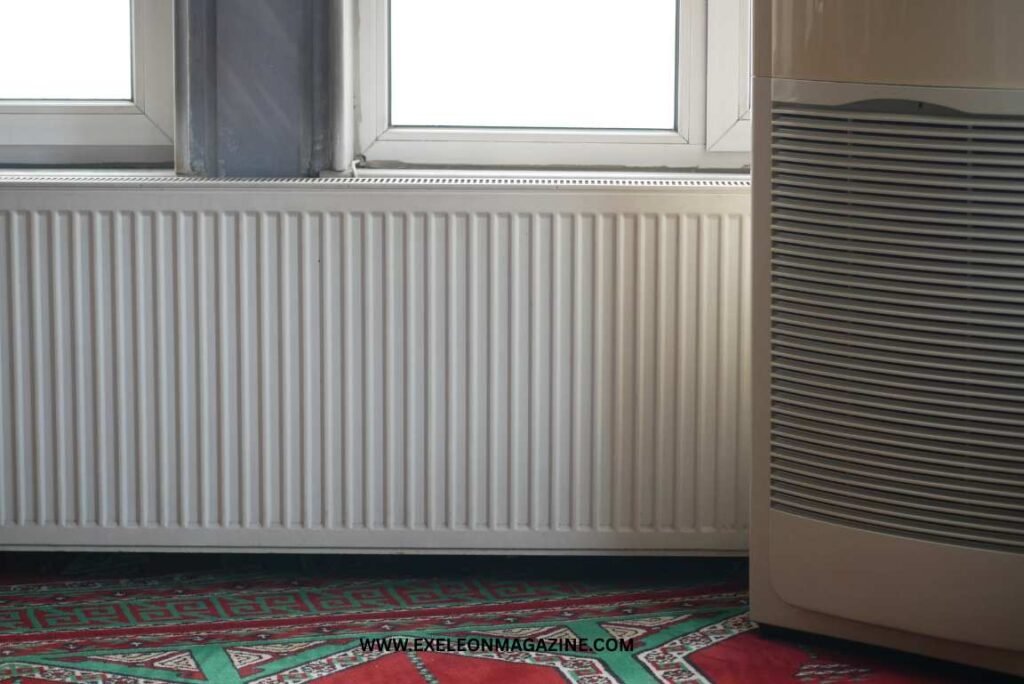
Horizontal radiators are the most common type found in homes. They often sit below windows, making them efficient in utilising what may otherwise be wasted wall space. Horizontal radiators can be simple and functional, or they can come in decorative versions that become a feature in the room. Their widespread availability means easy replacement options are available, making them a convenient choice for many homeowners.
Space and Placement Considerations
One of the primary factors in deciding between vertical and horizontal radiators is the available wall space. In smaller rooms, vertical radiators might save valuable space by utilising the height of a room rather than the width. Alternatively, in larger rooms, horizontal radiators can provide a balanced spread of heat. It’s also essential to consider the placement in relation to furniture; radiators tucked behind sofas or heavy curtains may not heat a room effectively.
Efficiency and Output

Efficiency should be a major consideration when choosing a radiator type. The heat output of radiators, measured in British Thermal Units (BTU), should match the specific size of the room to provide optimal warmth. Vertical radiators, while space-saving, can sometimes offer higher BTU options as they can be taller and fitted with multiple panels. Horizontal radiators, meanwhile, are perfect for ensuring an even distribution of heat, especially in larger spaces.
Style and Aesthetics
The style of radiator can significantly influence the overall look of a room. Vertical radiators often serve as a statement piece, available in eye-catching designs and finishes like chrome or anthracite. Horizontal radiators, on the other hand, are available in classic designs that blend in effortlessly. Whether aiming for a contemporary chic look or a traditional feel, both types offer various aesthetic options to complement your interior style.
In conclusion, the choice between vertical and horizontal radiators depends on a combination of factors such as space, efficiency, and style. It’s vital to consider the specific needs of your room and how you wish to integrate the radiator into your existing or planned design. With the right radiator, your space can be comfortable and stylish throughout the year, aligning perfectly with your lifestyle and preferences.