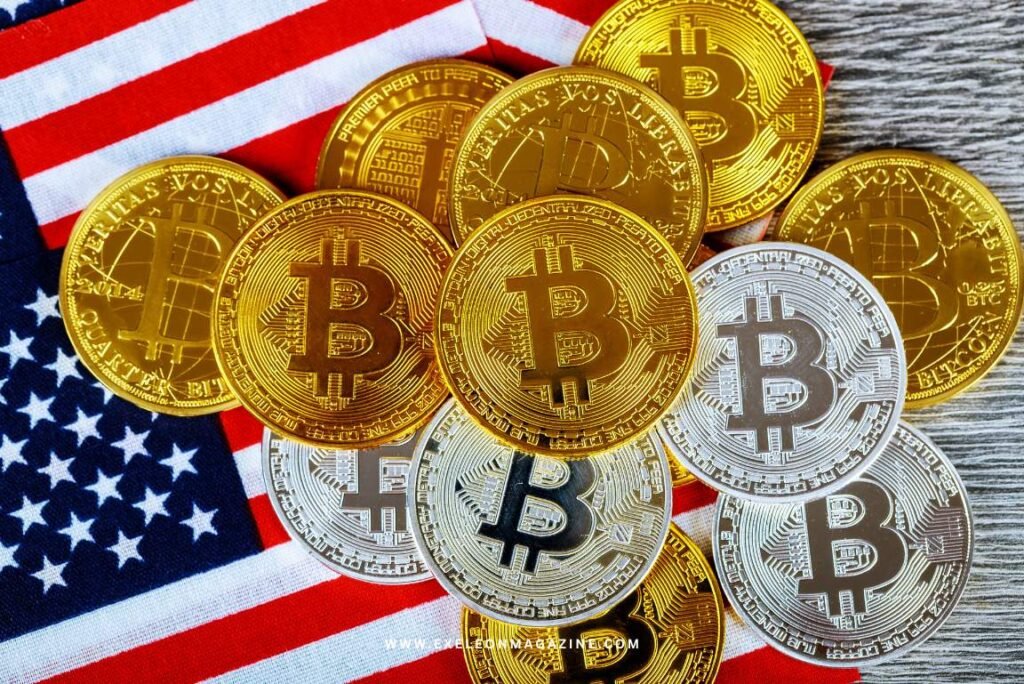
In 2026, the U.S. has become a global leader in digital asset infrastructure, passing key legislation like the CLARITY Act and the GENIUS Act. You now travel through a system where digital payments sit at the center of daily life, but traditional banking still creates friction when it misreads normal spending behavior. If you’ve ever had a card declined during a trip or waited on hold with a fraud team while trying to check into a hotel, you already understand the gap between access and control. Bitcoin payments now fills part of that gap for many travelers. It works as a direct payment layer that reduces points of failure when you move through unfamiliar cities.
Immunity from “travel freezes”
You feel banking friction most when you make an unusual purchase in a new city. A high-value transaction in Miami or San Francisco can trigger automated fraud systems that block your card without warning. These systems rely on pattern recognition, and they often misread travel behavior as risk.
Bitcoin payments removes that layer of control. You don’t depend on a fraud department that can pause your funds. Instead, you move value directly from your wallet. As long as you hold your private keys, you control access. That means you can still pay for a hotel or flight even if a bank system flags your spending as unusual.
Protection against “skimming” and “evil twin” wi-fi
You still face familiar risks in 2026, especially at airports and cafes where attackers use card skimmers or fake Wi-Fi networks. Traditional card payments expose data that criminals can intercept or copy.
When you pay with Bitcoin payments through systems like the Lightning Network, you don’t hand over reusable card details. You sign a transaction with your wallet and send cryptographic proof to the merchant. That means no card number exists to steal and no login credentials travel over public Wi-Fi, which reduces exposure in everyday travel environments.
Financial privacy from “merchant profiling”
You also reduce data leakage when you pay with Bitcoin. Credit cards build detailed profiles that link your identity, spending patterns, and location, which data brokers often sell or reuse.
Bitcoin payments transactions separate identity from payment flow. The merchant receives USD through a processor, but they don’t automatically receive your personal identity. That reduces how easily companies can track your spending behavior across locations and time.
Discreet cash access via Bitcoin ATM systems
You still need cash in certain situations, like tipping or buying from small local vendors. Traditional foreign card withdrawals create a clear, trackable record in your home bank statement, including location data.
A regulated Bitcoin ATM lets you convert Bitcoin into USD on demand. These machines follow compliance rules under the 2026 travel framework and require ID verification, but they reduce how tightly your withdrawals link to your main banking history, giving you more separation between travel spending and core accounts.
Wealth shielding through HD wallets
You also reduce exposure when you separate your funds properly. A banking app can reveal your full balance to anyone nearby in public spaces, which creates unnecessary risk during travel.
With hierarchical deterministic wallets, you can create a dedicated travel wallet that holds only the funds you plan to use. Your main savings stay in cold storage. Even if your phone gets stolen or someone sees your screen, they only see limited funds.