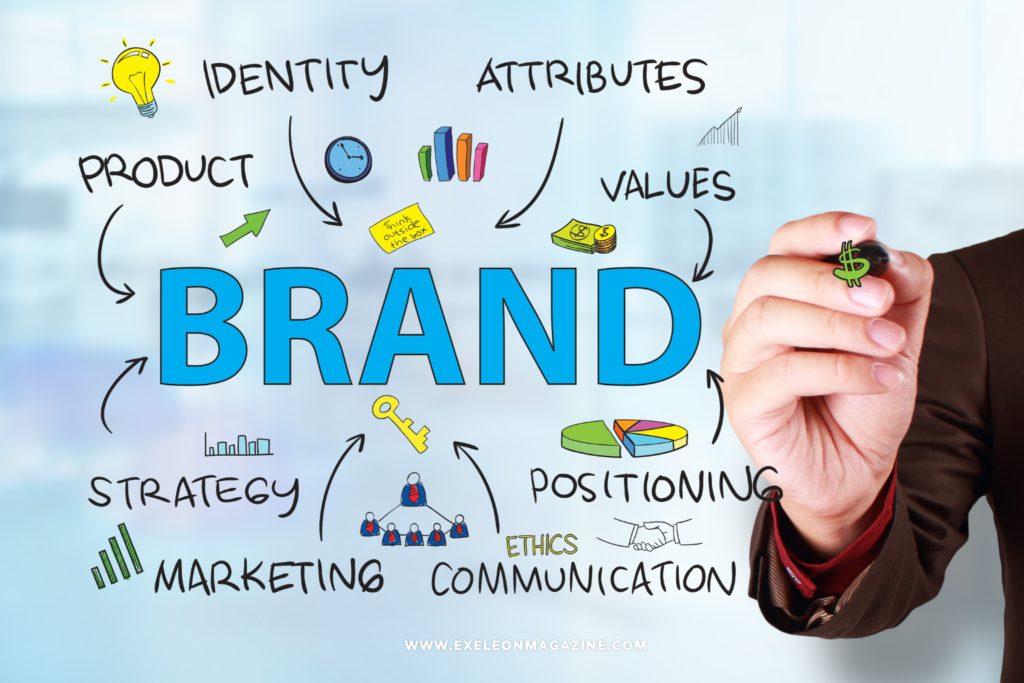
Every day, people encounter hundreds of brands without giving most of them a second thought. Yet a handful leave a lasting impression. Whether it’s a local café, a growing startup, or a global company, memorable brands often succeed because they understand how people think, recognize patterns, and build familiarity over time.
Brand visibility isn’t simply about appearing everywhere. It’s about creating consistent experiences that people can easily identify and recall. Businesses that understand the psychology behind recognition can build stronger customer relationships without relying solely on bigger advertising budgets.
Recognition Starts With Consistency
Customers rarely remember a business because of a single interaction. Instead, they remember repeated experiences that reinforce the same message and visual identity.
Consistent colors, logos, messaging, and customer interactions work together to create familiarity. Over time, these repeated touchpoints reduce the mental effort required for customers to recognize a brand, making it more likely they’ll think of that business when they’re ready to make a purchase.
This principle extends beyond digital marketing. Physical branding also plays a significant role. Staff uniforms, branded apparel, packaging, event displays, and promotional products all contribute to a unified identity that customers encounter in different settings. When every element reflects the same visual standards, recognition becomes almost automatic.
Familiarity Builds Trust
Psychology suggests that people naturally become more comfortable with things they encounter repeatedly. Businesses can apply this principle by maintaining consistent branding across every customer experience.
This is where promotional materials deserve more attention than they often receive. Consistent branded apparel and custom merchandise help reinforce the same visual identity customers see online, in-store, and at events.
For businesses looking to create high-quality branded clothing with consistent designs, services such as DTF Transfers Now make it easier to produce custom DTF transfers that work across a variety of apparel and promotional products. When businesses maintain the same visual identity wherever customers encounter them, every interaction contributes to stronger brand recognition.
Rather than treating branded products as one-time marketing materials, successful businesses view them as long-term investments in visibility and consistency.
Visibility Goes Beyond Advertising
Many businesses assume that increasing advertising spend is the quickest way to become more memorable. While advertising certainly creates awareness, lasting visibility depends on showing up consistently across multiple customer touchpoints.
People often remember brands they encounter in everyday situations. A company vehicle with professional branding, employees wearing coordinated apparel at community events, or promotional merchandise used regularly by customers all reinforce familiarity without feeling intrusive.
These physical reminders complement digital channels by creating additional moments of recognition. Instead of relying on a single campaign, businesses build a network of impressions that strengthens memory over time.
The same principle applies to branded clothing. A well-designed shirt or hoodie worn by employees creates a professional appearance while subtly reinforcing the company’s identity wherever the team interacts with customers.
Emotional Associations Make Brands Memorable
People rarely remember brands because of logos alone. They remember how those brands made them feel.
Positive customer service experiences, thoughtful packaging, helpful content, and professional presentation contribute to emotional associations. When customers repeatedly connect positive experiences with a recognizable visual identity, those memories become easier to recall.
Branded apparel can support this process by reinforcing professionalism and reliability. Employees wearing coordinated clothing project confidence and make businesses appear organized, particularly during trade shows, local events, or face-to-face customer interactions.
Likewise, useful promotional products remain visible long after an initial meeting. Every time someone uses a branded item, they’re reminded of the company behind it without the business needing to purchase another advertisement.
Small Details Create Lasting Impressions
Some businesses believe memorable branding requires dramatic redesigns or expensive campaigns. In reality, customers often notice the accumulation of small, consistent details.
Professional signage, cohesive social media graphics, branded packaging, employee presentation, and thoughtfully designed merchandise contribute to the same mental picture. When these details align, customers find it easier to recognize and remember the business.
DTF Transfer Now supports businesses that want to maintain this consistency across custom apparel, allowing organizations to reproduce detailed designs on clothing that reflect their existing branding. When physical materials match digital assets, customers experience a more unified brand identity.
This attention to consistency also benefits internal teams. Employees who represent a clearly defined brand often feel more connected to the company’s identity, creating experiences that further reinforce customer trust.
Final Thoughts
The brands people remember rarely rely on visibility alone. They succeed by creating repeated, consistent experiences that make recognition effortless and trust more natural.
Businesses that align their messaging, visual identity, customer interactions, branded apparel, and promotional products build stronger mental connections with their audiences over time. Rather than chasing attention through constant novelty, they focus on becoming familiar, recognizable, and dependable.
In a competitive marketplace, lasting visibility comes from consistency. Every interaction offers another opportunity to reinforce your identity, strengthen customer recall, and remain the business people think of when it matters most.