Introduction
Artificial intelligence has brought about a change in how we create and interact with digital content. In recent years, the industry has seen the growth of what is now a large AI image generation and image creation tools sector. Today there is a large community of users, which ranges from experts to total novices, all able to produce unique images, touch up photos, and play around with very complex design ideas, which in the past only pros had access to.
AI is transforming the creative field from the production of real-looking art to that of personal avatars and digital illustrations. As these technologies continue to grow, they are also becoming more accessible to businesses, content creators, marketers, educators, and the average person.
Understanding AI Image Generation
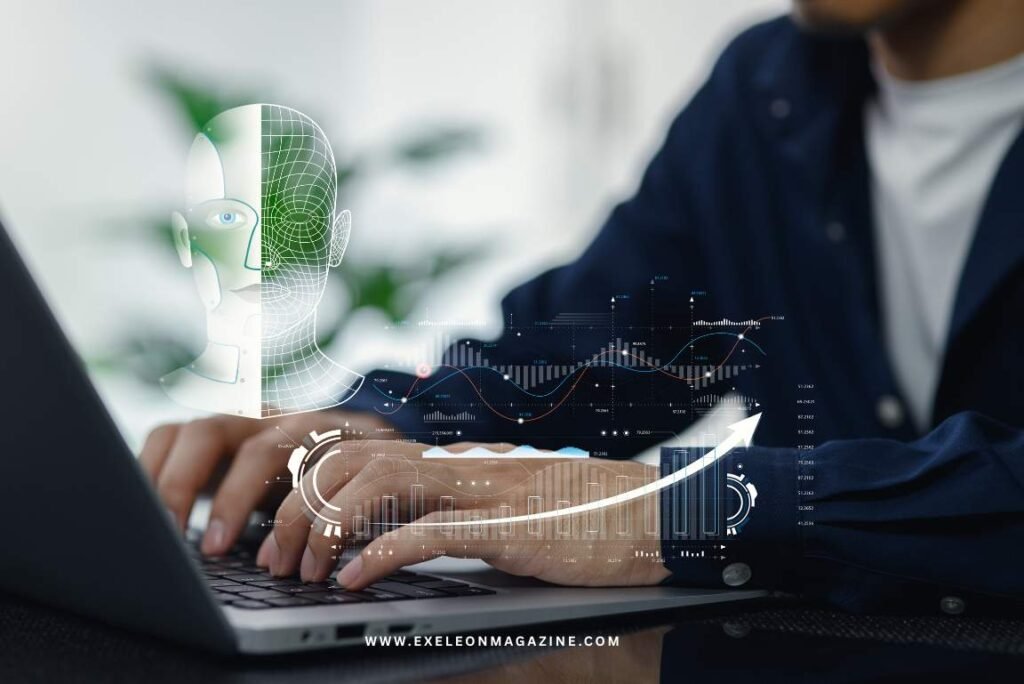
AI image generation is a field that uses machine learning algorithms that are able to produce images out of text descriptions or to which one may feed in present photos or other user input. These systems are trained on very large sets of images that run into millions, which in turn also include visual designs. It is this training that enables them to identify the relationship between different items, colors, styles, and art elements.
When a user gives out a prompt, the AI will interpret it and put out an image. A large range of results can be produced from this process, which includes real-looking photos, digital paintings, cartoons, concept art, and graphic designs.
These technologies have grown at great speed to produce better quality results, improved customizations, and faster generation times.
How AI Image Creation Tools Are Used Today
AI has moved beyond the lab stage and into many industries. These tools are in use in marketing, which has adopted AI for graphics, social media posts, and promotions. Also, it is not rare to see AI in the design process, which designers use to speed up the ideas and concepts produced.
In education, the use of these images helps improve materials presented to students and supports the content that goes into textbooks and other learning material. Content creators are also using these tools to create attractive visuals, which previously required expensive software or in-depth design training.
Many users enjoy AI creative features, not only for professional settings but also for entertainment. For example, some platforms allow individuals to turn your photo into emoji, creating personalized digital expressions that can be shared across social media, messaging apps, in addition to online communities.
Advantages of AI Visual Generation
Greater Accessibility
One of the biggest advantages about AI in image generation is its accessibility. In the old days, graphic design required special talent and software skills. AI tools lower these barriers by offering very easy-to-use interfaces that allow users to create great-looking graphics with very little input.
Faster Workflows for the Creative
AI accelerates the creative process. What used to require hours of manual labour now often requires minutes. The time previously spent on repetitive production tasks is now free designed for strategy, storytelling as well as refinement.
More Creative
AI is a tool aimed at collaboration, not the death of human creativity. Users can play around with different styles, concepts and visual directions they may not have considered before. And that in turn leads to new ideas and results.
Affordable Answers
For small businesses, freelancers and entrepreneurs, AI image tools are an affordable solution that doesn’t require a big design team or huge financial investment.
Becoming Popular Photo Transformation Features
Photo transformation by AI is one of the largest applications of the image creation field. Users can turn images into different styles, such as artistic filters, avatar generation, digital portraits and styled illustrations.
Right now, the emoji is a very hot trend. Custom emojis are a fun and entertaining way for people to express themselves online.
These are also tools with a personalisation element that allows users to create their own digital personas that are unique in online communication.
Challenges & Considerations
AI image generation has its advantages but also some problems. Questions of copyright, originality and ethical use continue to be debated in the tech and creative industries.
The Future of AI Image Technology
The growth of AI in image creation is very much a positive story. Machine learning improvements are expected to further enhance image quality, realism, customization, and user control. Also to come is a greater degree of integration with design programs, video production tools, and virtual environments.
Businesses will use AI-powered creative tools that will give consumers super-personalized visual experiences. With the development of the technology, AI image generation is likely to be an everyday part of online communication and content creation.
Conclusion
AI image generation and image creation technologies are revolutionising how visual content is created and shared. Once the domain of experts these technologies are now available to a wider audience who are using them to create engaging, personalised, high quality visuals at scale.
AI-based image tools are broadening what is possible in visual creativity, from professional marketing campaigns to personalised digital experiences. As technology continues to grow, users will discover more and more innovative ways to create, customise and transform images and explore new digital forms of expression.