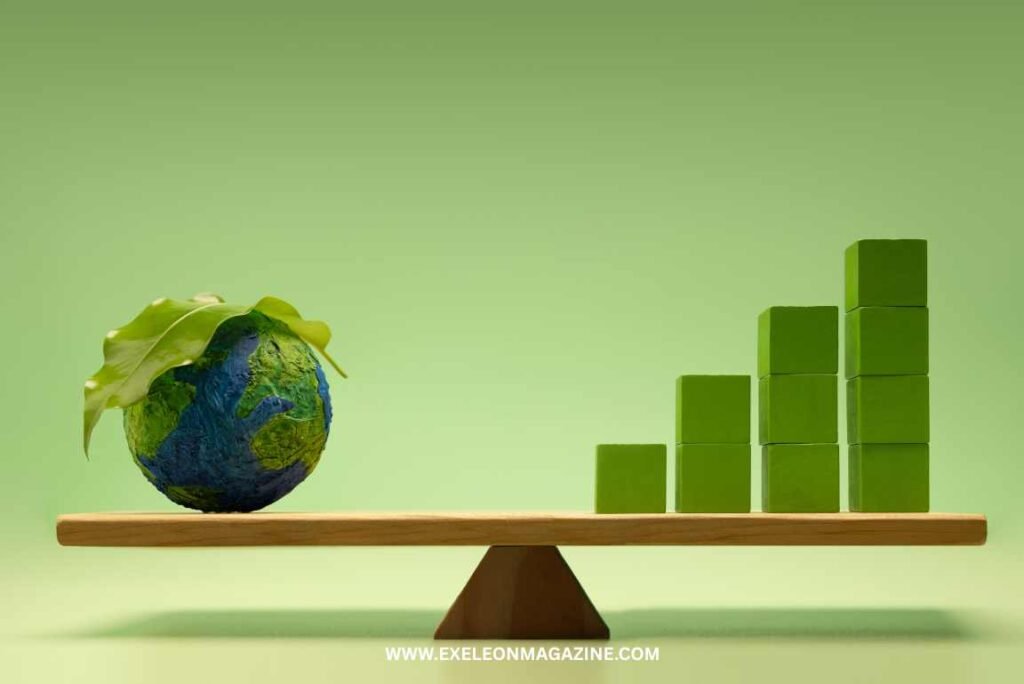
What was once a niche concern or a nice to have is no longer the case for a business. Becoming more eco friendly is now about staying competitive while meeting customer expectations, managing costs and looking to future proof operations.
Luckily, meaningful change doesn’t always require massive disruption, because it’s the smaller, consistent decisions that can add up to big environmental impacts over time. Let’s take a closer look at some of the ways that your business can become more eco friendly without losing sight of the commercial realities.
Perform an honest energy audit.
Before you make any changes, you need to know whether energy is being used and then wasted. Energy audits will help to highlight any inefficiencies in your systems, outdated equipment, along with habits that are quietly pushing your energy bills higher. Once you see the data, prioritising improvements becomes way easier and far more cost effective.
Look to invest in smarter energy sources.
Switching to renewable energy is one of the most impactful steps that you can take in your business. For some organisations this can include investing in solar panels for business premises, while others may choose greener energy tariffs or offsite renewable suppliers. Even partial adoption can significantly reduce your carbon footprint and long term energy use.
Reduce your energy use at ground level.
Technology upgrades don’t need to be dramatic to be helpful. With LED lighting and motion sensors, energy efficient appliances and smart thermostats, you’ll be able to cut down the consumption. Encouraging your team to switch off equipment when not in use is also a behavioural change that is often powerful as infrastructure upgrades. Reducing energy use is much easier when you get the entire team on board at a ground level. Having everybody do things like turn off lights and power down computers is important. It’s such a simple thing to do at the end of a long day, but when you do this, you’re going to end up saving yourself money and saving how much energy you are putting out there.
Rethink your waste management strategy.
Waste is one of the most visible sustainability issues for businesses, so reviewing how much waste your company produces is a good place to begin. You can also check on where it ends up.Improving recycling systems, reducing single use materials, and working with suppliers who prioritize recyclable or reusable packaging is a good start, too. Less waste often means lower disposal costs. Your waste management strategy also reflects who you are as a business, so if you’re not recycling, people will judge you for it.
Choose your suppliers carefully.
It doesn’t stop at your front door. Sustainability. Looking at your supply chain, you can assess where the partners share your environmental values. It’s important that you pick suppliers with the same ethical sourcing, low emissions and transparent sustainability policies, which will help to reduce indirect environmental impact while strengthening your brand credibility. The one thing that you should know about choosing suppliers is that it is a long process. It’s not something you just choose overnight. Assessing whether suppliers meet the same values that you do is important, but it also means that you’re choosing a supplier who cares about the environment, especially if you’re working in a warehouse.
Lighten up your paper load.
Many businesses still rely heavily on printed documents out of habit rather than out of necessity. Moving contracts and invoicing, reporting and internal communications online cuts paper waste and improves your efficiencies. When printing is unavoidable, always use recycled paper and default to double sided printing.
Encourage sustainable travel and transport.
Business travel and commuting contribute significantly to emissions. Where possible, encourage remote meetings and flexible working if you don’t need people in your office. There is no need to have people travelling around unnecessarily and using fuel. If there is necessary travel, promote public transport with free schemes and car sharing. You could even upgrade to electric vehicle use for business vehicles. It’s the smaller changes in travel habits that reduce emissions across the organization.
Design sustainability into your workspaces.
The way a workspace is designed influences energy use, waste levels and employer behaviours. Natural lighting and good insulation are a good start, but efficient heating and cooling systems and indoor plants all contribute to a healthier environment. Sustainable office design also boosts staff well-being and productivity.
Engage and educate.
Sustainability efforts are far more effective when employees are involved. Share goals, explain why change matters, and invite ideas from staff. With simpler initiatives like Sustainability Champions or Green Challenges, you’ll be able to build up some momentum while doing team building at the same time. You then also make eco-friendly practices part of everyday business culture and not something you’re just throwing in there for glitter.
Measure the progress that you’re making.
There is no use in investing in your sustainability if you’re not checking to see if it’s working. Eco friendly changes are never a one off project as an ongoing process, so track your energy use and waste reduction and your emissions over time so you can see what’s working and where the improvements are needed. By being transparent about progress, even when it’s imperfect, you’ll be able to build trust with partners and customers and keep your employees happy.
Beyond your environmental responsibility, sustainability offers your business clear benefits. With lower energy and waste cost, improved brand reputation, better employee engagement, and increased resilience to regulatory change, you’ll be able to support your own long-term growth. Your customers are also more likely to support businesses that align with their values particularly when sustainability efforts are genuine rather than performative.
Becoming more eco friendly isn’t something that requires you to be perfect at all times. It requires you to be intentional and consistent, sure. Practical steps and embedding sustainability into your operations means that you can reduce your environmental impact. On top of that, you’ll be able to strengthen your commercial future.