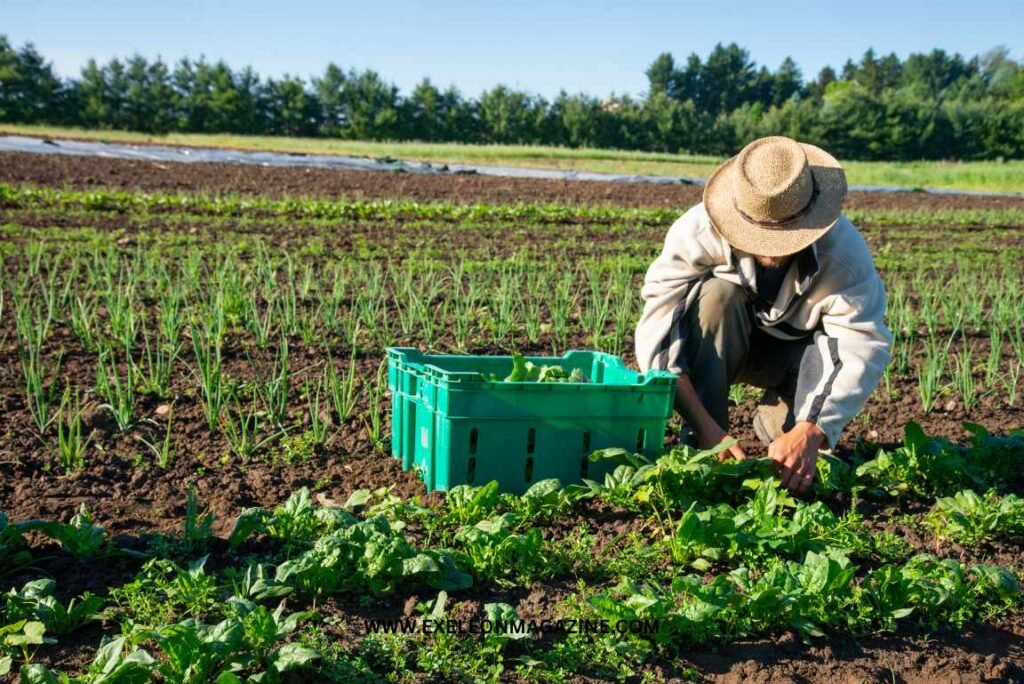
Starting a small farm can be an exciting journey, but it needs careful planning and hard work. Whether you want to grow fresh vegetables, raise dairy goats, or cultivate organic herbs, knowing the basics of farm management is key. Imagine waking up to roosters crowing, working with the land all day, and enjoying the results of your efforts.
This article will cover the key steps to successfully running a small farm. From setting up your barn with the right equipment, like barn curtains, to understanding crop rotation, you will find practical tips to kickstart your farming adventure.
Let’s see how you can make your farming dreams come true!
Choosing Your Land
The first step in starting a small farm is finding the right land. It’s like choosing a canvas for a great painting. Look for land with good soil, access to water, and a climate that suits the crops or animals you want to raise. A soil test is a smart idea. It will help you know what changes your land may need for healthy growth.
Think about the size of your farm, too. A small plot can be very productive if you use it wisely. Techniques like raised beds, vertical gardening, and companion planting can help you get more from less land. Remember, buying land is just the start. Your real farming adventure is about to begin!
Planning Your Crops
After you have your land, decide what to grow. Research which crops do well in your area and which will sell well. Start small and focus on a few manageable types of vegetables or fruits that people want.
Also, think about the growing seasons. Many crops have specific planting times, and knowing these cycles helps you plan better. A planting calendar can help you track when to plant, care for, and harvest your crops. Keeping things organized will save you a lot of stress later.
Setting Up the Farm
Once you know what to grow, it’s time to set up your farm. This means building or repairing structures such as barns and greenhouses. If you use a barn, installing a barn curtain can help control temperature and shield your animals or plants from drafts and bad weather.
Don’t forget about watering! Irrigation is essential for a small farm. Depending on your water source, you might use drip irrigation or a simple watering system. Ensuring your plants get enough moisture is crucial to their growth and your success.
Financial Management
Managing money is vital for any successful small farm. Create a detailed budget that outlines your expected costs and income. Don’t forget to include expenses like seeds, fertilizers, equipment, and maintenance. Also, consider ways to make money, like selling at farmers’ markets, offering subscriptions, or starting a small Community Supported Agriculture (CSA) program.
It’s also smart to keep clear records of your sales and spending. Tracking your finances will show you how well your farm is doing and help you make better decisions for the future.
Tracking your finances will show you how well your farm is doing and help you make better decisions for the future. Finally, look into crop insurance, which safeguards your investment.
Crop Rotation and Soil Health
Healthy soil is essential for successful farming. Crop rotation helps you keep soil nutrients and reduces pest problems. This means changing the types of crops you grow in a particular area each season. Doing this prevents nutrient loss and protects soil quality.
You can also improve soil health by adding organic matter, such as compost or manure. Healthy soil leads to stronger plants and better harvests. Test your soil regularly to check its health and adjust your methods as needed.
Marketing Your Produce
After you start harvesting, focus on selling your products. A marketing plan is as important as farming. Use social media to reach customers. Consider creating a website or an Instagram page to show off your farm and produce.
Local farmers’ markets are great places to sell your goods directly. They help you connect with your community and highlight what your farm offers. A mailing list can keep customers updated on what is in season and available for sale.
Sustainable Practices
As a small farmer, you can make choices that protect the environment. Sustainable farming practices benefit both your farm and the planet. Explore options such as permaculture, organic farming, or regenerative agriculture.
Using natural pest control methods and reducing chemical fertilizers protects the environment and supports your customers’ health. Sustainable farming is the future.
Building a Community
Farming can feel lonely, but it doesn’t have to be. Connect with other farmers for support, inspiration, and helpful information. Join local agricultural groups or attend workshops to learn from others.
Participate in community events or host farm tours to create connections. Sharing experiences and challenges makes farming more enjoyable and can lead to new opportunities. Starting a small farm can feel overwhelming, but with careful planning and a willingness to learn, you can achieve your farming goals.