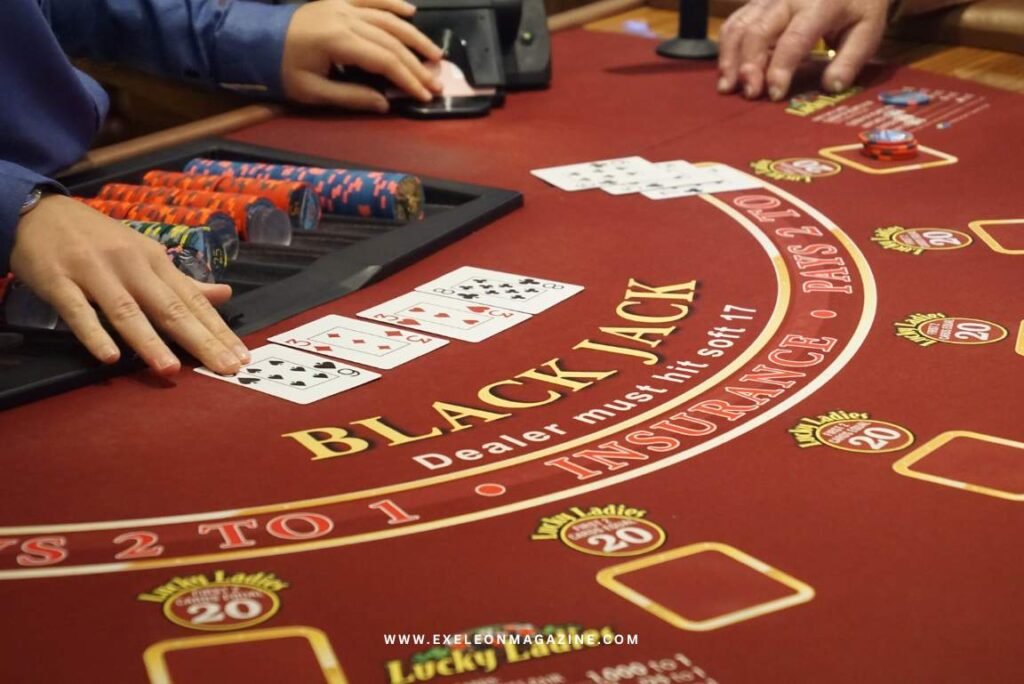
Long blackjack sessions are a stamina test as much as a card game. After a few hours, fatigue, emotion and streaks can push decisions off track, so bankroll limits and short breaks matter as much as basic strategy. The aim is simple: keep playing with the same judgment at the end as at the first hand.
Building a Solid Base With Strategy
At the core of smart blackjack is basic strategy. It is a set of mathematically optimal plays for every combination of your hand and the dealer’s upcard, designed to reduce the house edge as much as possible over time. Instead of guessing, you follow a pre‑defined answer for hit, stand, double or split in each scenario.
Many players learn basic strategy through charts or trainers before they sit down, then keep those rules in mind during live play. The game itself, as described in blackjack guides, is a comparing card game where you compete directly against the dealer, not other players, and each correct decision slightly improves your long‑run outcome. Treating that strategy as non‑negotiable is far more powerful than any betting system.
Smart Session Setup and Bankroll Shape
For longer blackjack sessions, set one budget first and split it into smaller bets. Keeping each hand around 1-2% of that budget makes the session easier to manage. It also helps to separate blackjack money from anything used on a sports betting site, so one balance does not blur two different plans.
A basic session plan might include:
- A fixed starting bankroll you are fully prepared to lose
- A clear loss limit where you agree to walk away
- A realistic win target that tells you when to lock in a good night
Thinking about these numbers in advance removes pressure from in‑the‑moment choices. You are following a script, not reacting to every swing.
Keeping Your Head Clear Over Many Hands
The longer you play, the more your mindset matters. Tired players tend to drift away from basic strategy and rely on hunches, especially after a tough run of hands. That often shows up as unnecessary doubles, risky splits or ignoring the chart when the dealer shows a strong card.
Simple routines help keep your decision‑making sharp. Some players set a timer to take a short break every 45-60 minutes, even if they are winning. Others use small checkpoints, such as standing up for a walk after finishing a shoe or a certain number of hands.
It also pays to watch for emotional triggers. Feeling angry at a particular dealer, wanting to “get back” what you just lost, or speeding up your play are signs that your strategy is slipping. If you notice those reactions, that is a good time to pause or call it a night.
Smart Bets, Not Aggressive Systems
Progressive systems like doubling after each loss can look neat on paper, but one bad streak can burn through a bankroll fast. Probability still rules the game, and bet sizing cannot remove the house edge.
A safer approach is to keep the base bet steady and make only small planned changes. Treat stake size like part of the system, whether you are managing football bets or planning a melbet app download session. It should not change just because the last card went badly.
Knowing When the Session Is Over
A long blackjack session needs a clear stop point. Loss limits and target wins help, but so do smaller signs: missed basic strategy, slow decisions, or trouble following the table. Once that starts, take a break. The game stays more enjoyable when the money is planned, the pace is controlled, and the session ends before focus disappears.