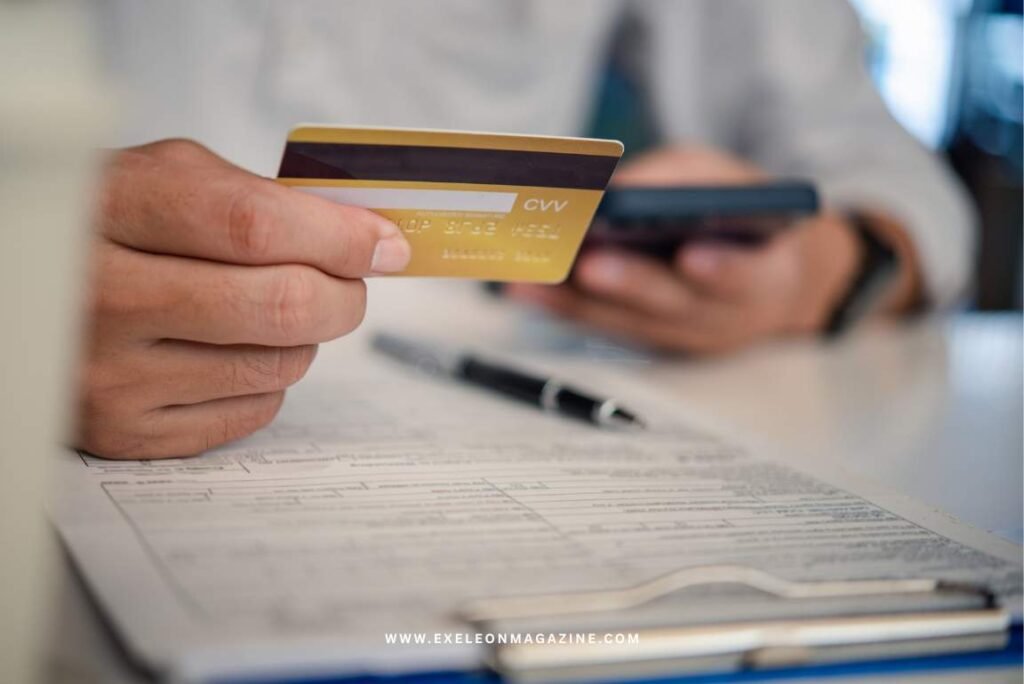
Digital payments have become part of everyday life. Few of us think twice about tapping a card on the bus or transferring funds through a banking app. Digital payments are fast, simple and often safer than carrying cash. However, every transaction can create data about where we go, what we buy and how we behave. The challenge for modern businesses is to use and design them in ways that protect personal privacy while keeping their practical benefits. Here are some tips to help:
Why convenience matters
Convenience is one of the main reasons digital payment systems have grown so quickly. Entrepreneurs like Noyan Nihat of Cardaq have built careers on creating payment systems that make life easier for consumers and businesses alike. Contactless cards, mobile wallets and online checkout services have all pared friction in modern payments down to a minimum. They help businesses serve customers faster, reduce queues and support remote sales. For many people, digital payments also improve accessibility by removing the need to visit a bank branch or carry exact change.
Convenience can also support better financial management. Banking apps can categorise spending, provide alerts and make it easier to spot unusual activity. The cash flow of small businesses can benefit a lot from quicker settlement, automated records and easier invoicing. In this sense, digital payments are not just a luxury; they are part of modern economic life.
Where privacy risks appear
The biggest privacy concern comes from the amount of information linked to each payment. A transaction may reveal the time, location, merchant, device, account and spending pattern of a user. When combined across weeks or months, this data can create a detailed profile of someone’s lifestyle, health, beliefs or relationships.
Payment data may be shared among banks, card networks, payment processors, merchants, analytics providers and fraud prevention services. Even when data is not sold directly, it may still be analysed for marketing, risk scoring or behavioural insights. The more parties involved, the harder it becomes for individuals to understand who has their information and how it is used.
Apply data minimisation
A good balance begins with data minimisation. Payment providers should collect only what is necessary to complete the transaction, prevent fraud and meet legal obligations. They should avoid storing sensitive information for longer than needed and separate identifying details from transaction records wherever possible.
For example, a merchant may need confirmation that a payment was authorised, but not always the full details of the customer’s payment method. Tokenisation can help by replacing card numbers or account details with secure digital tokens. This reduces the value of stolen data and limits unnecessary exposure.
Give users clear choices
Privacy settings should not be buried in complex menus or written in vague legal language. Users need clear choices about data sharing, marketing preferences, location tracking and transaction notifications. Consent should be specific and informed, rather than bundled into a single “accept all” button.
At the same time, privacy controls must not make payments difficult to use. If protecting privacy requires a long process every time someone buys a coffee, most people will give up. The best systems provide sensible default protections while allowing users to adjust settings when they want more control.
Strengthen security without adding friction
Security and privacy are closely connected. Strong authentication, encryption and fraud monitoring protect users from theft and misuse. However, security measures must be proportionate. Requiring repeated passwords, codes and checks for every low-value transaction can frustrate users and encourage unsafe shortcuts.
Risk-based authentication is a useful compromise. A familiar low-risk transaction may go through quickly, while an unusual payment, a new device, or a large transfer may trigger additional checks. This keeps routine payments convenient while adding protection when it matters most.
Build transparency and accountability
Trust depends on transparency. Payment providers should explain what data they collect, why they collect it, who they share it with and how long they keep it. Regulators also play an important role in ensuring that companies comply with privacy laws and are held accountable for misuse.
Independent audits, privacy impact assessments and clear complaint processes can help maintain confidence. Businesses should also train staff to understand their privacy obligations, rather than treating data protection as a purely technical issue.
The role of consumers
Individuals can take practical steps too. Using trusted providers, enabling security updates, checking app permissions and reviewing bank statements all help reduce risk. Consumers should be cautious about linking payment apps to unnecessary services or saving card details on unfamiliar websites.
It is also worth using different payment methods for different situations. For example, a credit card may provide stronger purchase protection online, while a mobile wallet may offer tokenisation for in-store purchases.
Finding the right balance
Balancing privacy and convenience is not about choosing one over the other. The best digital payment systems are quick, secure and respectful of personal data. They minimise collection, give users meaningful control, protect information by design and remain easy to use.
As digital payments continue to evolve, privacy should be treated as a core feature, not an optional extra. When people can pay with confidence, knowing that their data is handled responsibly, convenience becomes more valuable and trust in the system grows.