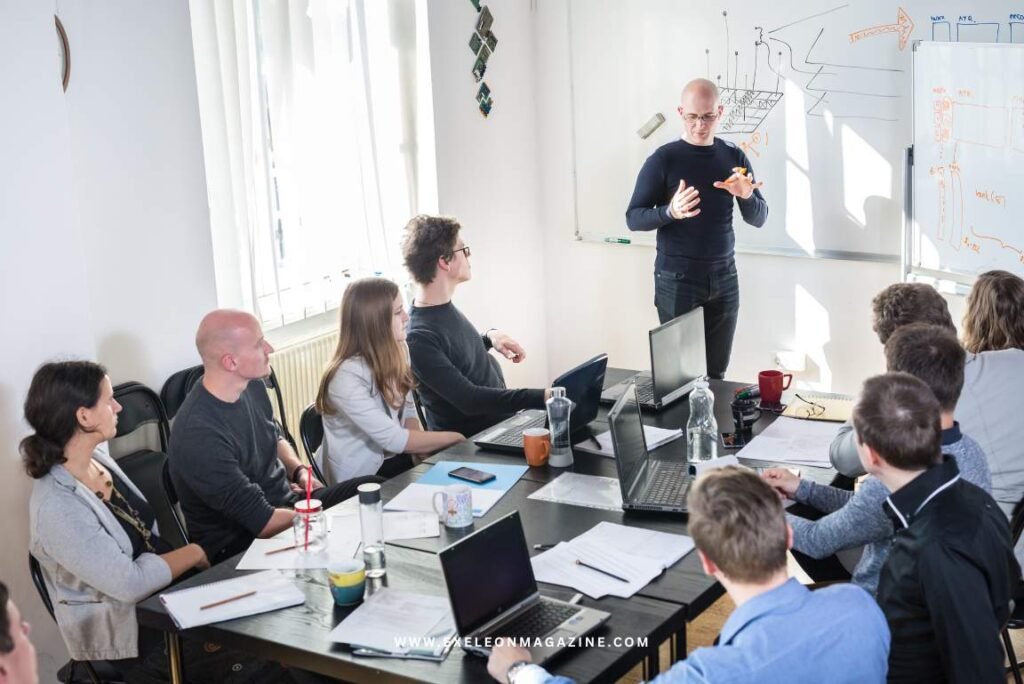
Starting up may be thrilling, yet full of obstacles to overcome. The scarcity of funds, strict budget constraints, and harsh competition create numerous difficulties for the founders. Funding, product creation, customer attraction, etc., are essential, yet there is always something that defines the success of a startup. It is if they have build stronger teams who are dedicated to the startup.
A good, motivated team makes a startup more innovative, helps it solve any problem, and makes decisions in uncertain situations. Nevertheless, many startupers believe that it is impossible to create such a team without spending too much money. Actually, a team can be built in a financially sound way.
One should concentrate on culture, communication, development, and engagement instead of purely financial incentives. As a result, one will be able to attract and retain talented people and ensure collaboration within an organization. This guide describes ways to build stronger teams efficiently and cost-effectively.
1. Define Your Mission and Purpose
One of the cheapest ways to improve teamwork is to provide an employee with a purpose of being involved. Everyone wants more than getting paid for their job. They want to know how what they do helps the big picture.
For startups, it is important to measure and communicate:
- Their mission
- Their vision
- Values of the organization
- Purpose of their business
When people know the purpose of the company, they feel a sense of belonging and involvement. A mission statement can serve as a great way to attract employees and retain them, especially when competing against bigger organizations with higher salaries.
2. Hire for Cultural Fit and Future Potential
Most early-stage companies make the error of hiring based only on experience. While experience is necessary, fit and future potential may actually matter even more to overall success.
Seek out people with the following attributes:
- Adaptability
- Curiosity
- Problem-solving skills
- Collaborative skills
- Good attitudes
People who share the same values as the company are likely to be more productive in their work environment. Hiring people who are willing to learn will cut down on hiring costs as well as offer an opportunity for internal advancement.
3. Provide Opportunities for Relationship Building
Where there are good personal relationships, there can be better business relationships. But to build stronger teams does not have to mean expensive outings or fancy activities.
Activities that require interaction among employees will help them connect in ways other than their regular work environment.
Many companies have realized that creative and interactive activities that can be accessed on mastersofmystery.com can go a long way in building teamwork.
4. Create an Environment of Open Communication
Open communication is one of the greatest assets a startup may have.
Build transparency through:
- Consistent meetings with the team
- Updates about the company
- Feedback channels
- The open-door policy of the leaders.
Engaged employees stay motivated when they feel informed and listened to. The good thing is that communication changes don’t cost anything.
5. Provide Flexible Working Options
Flexibility is now one of the most desired workplace perks. Many workers now view flexibility equally as valuable as wage hikes.
This could lead to improvements in all of the following:
- Employee satisfaction
- Productivity
- Work-life balance
- Staff retention.
Because offering flexibility is relatively inexpensive, the return on investment is high.
6. Focus on Developing Your Staff
Professional development does not necessarily mean high-priced training programs. People enjoy learning new things, and companies can develop their staff through cost-effective measures. Allow your team members to educate each other about different skills and knowledge.
There are many cost-effective training courses in various fields, such as:
- Marketing
- Leadership
- Coding
- Project management
- Communications
Match up your experienced employees with your new hires to speed up the process. By developing your people, you will show that you are invested in their future success.
7. Acknowledge and Celebrate Successes
One of the most potent sources of motivation in the workplace is recognition. When staff members are recognised, they tend to stay more motivated and productive.
Such actions may not be expensive, yet they have the potential to boost staff morale. A culture of appreciation promotes performance excellence.
8. Foster Collaboration Amongst Team Members
Teamwork improves interpersonal relationships and enhances problem-solving skills.
Startups may foster teamwork through:
- Cross-functional teams
- Brainstorming
- Collaborative software
- Knowledge sharing.
Collaborative culture tends to result in increased bonding at work and the success of the business.
9. Evaluating Team Performance
Good teams constantly learn and grow.
Start-ups must measure factors like:
- Worker involvement
- Rates of retention
- Productivity
- Cooperation
- Task completion.
This will provide insight into the success of initiatives and areas that need work. Measurement is critical for sustained growth.
Conclusion
Creating a startup team does not necessarily need an endless amount of money. Although compensation is key, there are many aspects that make up employee motivation and cooperation, which cost relatively little money.
With proper focus on communication, trust, flexibility, personal development, recognition, and build stronger teams, any startup will be able to provide its employees with a motivating work atmosphere. Good teams are created by purposeful management and support for people, not only for business goals.
At the present time, startups that pay special attention to build stronger teams have a distinct advantage over others. As soon as employees realise that they can take part in the work process and help in achieving common goals, they become equal partners in it.