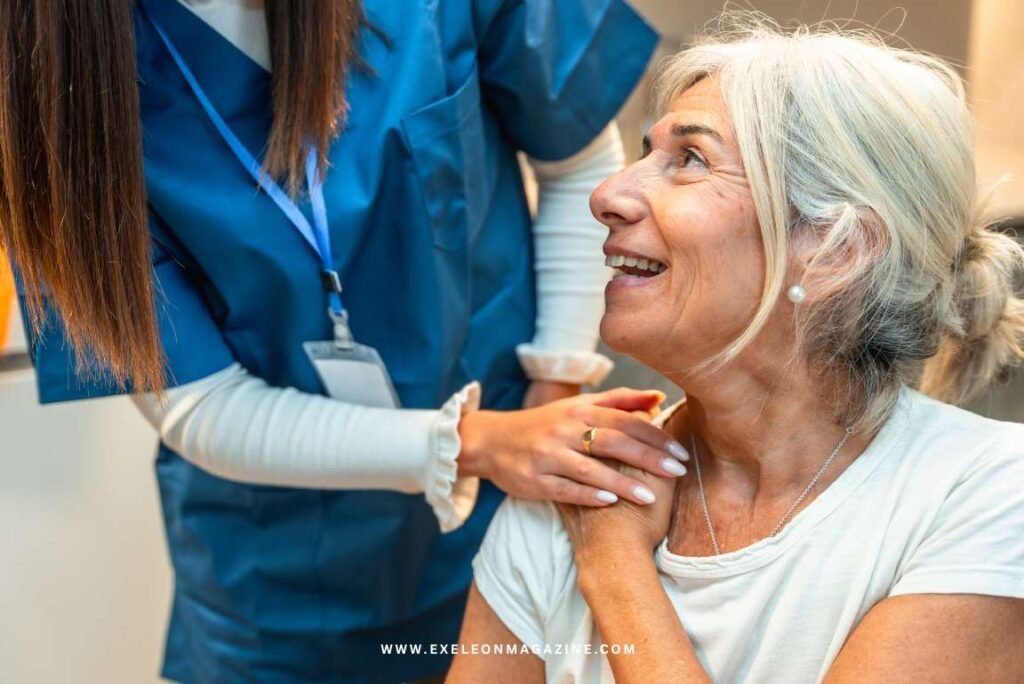
Home care for seniors is not only about assistance with daily life activities. Support with compassion creates ties that benefit clients and caregivers. These bonds create a safer and brighter situation for each and every day, which encompasses trust and ease of emotion for all involved in fortuitous circumstances. Only by getting to the root of these connections can family members make the best choice for their loved ones, which is where senior home care comes in.
Personalized Attention Encourages Comfort
Supporting individuals means treating everyone with respect. Over time, senior home care professionals become aware of personal preferences, routines, and habits, which aid in promoting a familiar environment. This means every detail counts, including favorite meals, preferred timings, and more. Such acts go a long way in easing older adults and developing trust over time.
Consistent Presence Builds Reliability
Having their trusted caregivers come every day is reassuring. Older individuals understand that someone will come around every day to lend a hand and listen. The predictability of these events prevents people from getting anxious since they know their needs will not be forgotten about. Trust requires safety, and safety thrives on familiar faces and steady routines.
Empathy Strengthens Emotional Bonds
Active listening with patience and empathy is the best strategy in senior care. When caregivers listen openly to concerns and rejoice in everyday occurrences, emotional connection follows. They care enough to respond with thoughtfulness to worries or happiness, rather than just playing the duty card. These moments of empathy go a long way, providing a sense of validation, being heard, appreciated, and understood.
Encouraging Independence Shows Respect
The dignity of care comes from the independence that we can promote among older adults. Caregivers promote decision-making, engage in activities, and associate mobility. It is a positive reflection of trust in elders’ abilities and judgment. By empowering people, caregivers instill confidence in them, demonstrating that each opinion matters.
Communication Fosters Understanding
It is essential to have open communication between the ones who care and the ones being cared for. Therefore, it is very important to have proper discussions about needs and changes, as this will eventually save you from misunderstandings. Transparency helps inculcate an environment of being well-informed. You build trust when people feel that their voice was heard and their wishes considered.
Family Involvement Strengthens Support
Caregivers send frequent updates and opportunities to join in on the usual routines to keep the family close. Through this partnership, caregivers can feel confident in the care they provide to families. It also enables caregivers to understand important information from family members, allowing for a full and nurturing environment to be developed.
Celebrating Milestones Creates Joy
Celebrating birthdays, anniversaries, or little successes makes life happy. The more positive experiences you share, the more you broaden the horizons of happiness. Recognizing shared experiences fosters a greater connection and sense of belonging.
Respecting Privacy Builds Mutual Trust
Dignity and privacy are a cornerstone of care relations. Boundary-pushing caregivers are negative influences; they disrespect patient privacy and are unprofessional, so respecting boundaries is important. Protecting older adults’ privacy allows them to disclose private matters more comfortably. Space and confidentiality also allow trust to blossom.
Adapting to Change Shows Commitment
Flexibility is necessary because needs change. Caregivers, who adapt routines or strategies, assure older adults and their families that they will be treated with kindness in these new and sudden situations. They are open to changing their strategies if one thing doesn’t work because, at the end of the day, they are focused on providing the best support possible.
Emotional Support Reduces Loneliness
Loneliness can be detrimental to wellness, perhaps a danger for people who spend the majority of their hours in their home. A decently pleasant conversation, a hobby to share, or simply having someone to speak with matters quite a bit. Emotional support increases awareness of other people and reduces feelings of isolation in older adults. The companionship fosters a daily growth in trust and comfort.
Conclusion
Senior home care is much more than just offering assistance. Caregivers should always establish trust and an emotional connection through one-on-one attention, empathy, and communication. Through the encouragement of independence, family involvement, and privacy, caregivers make seniors more empowered and at ease in their environment. Such bonds help and make daily life more comfortable and ensure happiness for everyone.