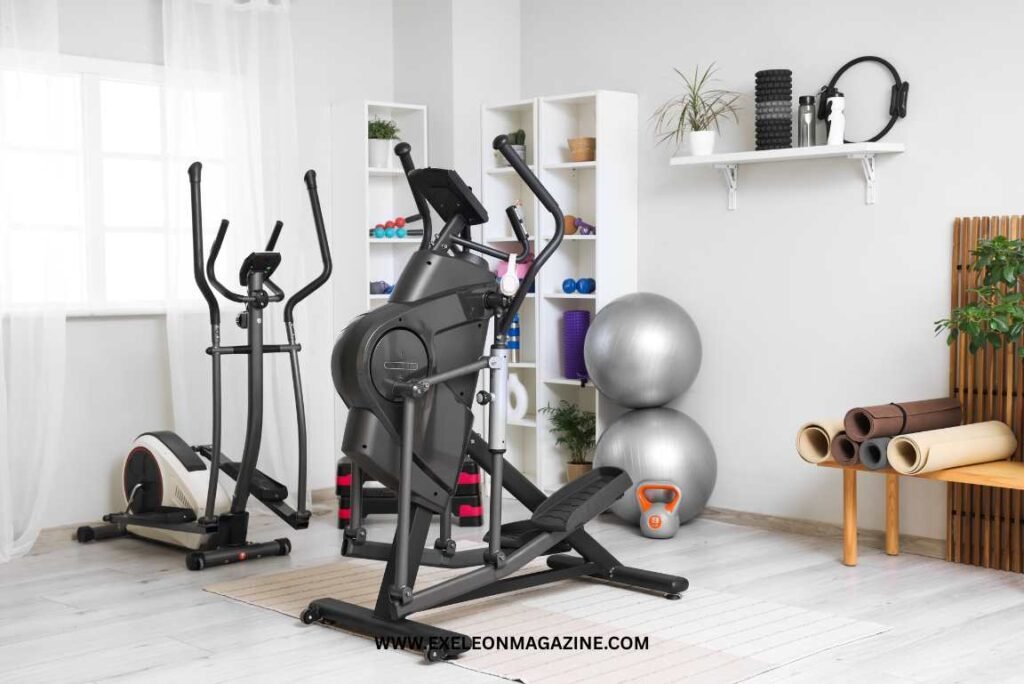
Moving a fitness center is a major challenge. Unlike office moves that involve simple items like mugs and chairs, gyms are filled with large, expensive equipment and sensitive electronics.
This is where an experienced fitness equipment mover comes in. They handle the precision of moving treadmills and power racks so you can minimize downtime and keep your revenue from flatlining. (Trust us, your sanity will thank you.)
Why Gym Relocations Require Specialized Planning
Gym moves are much more complex than standard commercial moves because you have to manage:
- Heavy, technical gear that has sensitive electronic brains
- Strength machines that need professional disassembly (and someone who actually knows how to put them back together)
- Specialized flooring, massive mirrors, turf areas, and those custom-built rigs that are a pain to transport
- Tight timelines that are glued to your membership dues and class schedules
- A very specific setup sequence to make sure machines go in only when the space is ready
Professional fitness equipment movers get these challenges. Their approach isn’t just about “moving stuff,” it’s about sequencing, protection, and keeping everyone on the same page.
How Fitness Equipment Movers Handle Gym Relocations
Movers who are actually trained in fitness relocations bring a level of industry-specific knowledge that saves you from expensive damage and “oops” moments.
Equipment Disassembly and Reassembly
High-end treadmills and other gym machines aren’t just heavy – they’re full of delicate parts and need careful alignment. Skilled movers know how to take apart selectorized machines and functional training systems safely, without messing up their performance. Once everything arrives at the new location, they put it back together exactly as the manufacturer intended, so your first workout goes off without a hitch.
Tools for Heavy Gym Equipment
Fitness equipment is often oversized, weirdly balanced, and incredibly heavy. Specialized movers don’t just wing it. They use purpose-built tools, such as heavy-duty dollies, and rigging techniques to squeeze through tight doorways and loading areas. No one wants a scratched door frame (or a blown-out back) on moving day.
Protection for High-Value Fitness Equipment
Your equipment is a significant investment. If handled incorrectly, it can get scratched, develop mechanical issues, or lose its warranty. Professional movers use padding, crates, and secure transport methods made for gym equipment. They take extra care with electronics, frames, and upholstery.
This careful approach is especially important for high-end cardio equipment and custom-built rigs, which are not easy to replace quickly.
Strategic Installation, Setup, and Layout Planning
A successful gym move involves more than just delivering equipment. Specialized movers plan the setup using your floor plans, power outlet locations, and training zones. They unpack, position, level, and align everything so the space works well from the start.
Minimizing Downtime Through Coordinated Execution
To keep your business running during a move, timing and planning are key. Experienced movers help by:
- Using pre-planned loading sequences (so the first thing off the truck is the first thing you need)
- Bringing in dedicated crews who actually know what a leg press is
- Coordinating delivery windows so you don’t have three trucks blocking each other
- Finishing the job with a complete setup and leveling
When professionals manage the technical aspects of the move, you can focus on your members and ensure your trainers stay prepared.
For example, White Glove Moving & Storage offers specialized fitness relocation services that manage the entire process. They handle disassembly, secure packing, and precise on-site setup tailored to your facility’s layout. This complete support helps keep your schedule on track and ensures you reopen as planned.
Keeping Operations Running Smoothly During a Move
A successful gym move requires planning, and moving in phases is often the most efficient approach. Here are some practical tips to use with your movers:
Create a Detailed Gym Equipment Inventory
Before moving day, make a list of all the equipment. Include the size, weight, and power requirements. This helps movers plan the truck and makes sure nothing is left behind.
Prioritize Fitness Equipment by Usage
You do not need to move everything at once. Move your main equipment, like treadmills and squat racks, first. This lets you reopen your main training areas while smaller items are set up.
Coordinate Flooring and Build-Out Timing
This is a big one! Equipment installation must be coordinated with your flooring and electrical work. Professional movers usually talk to your contractors to make sure machines aren’t being dragged across a floor that hasn’t finished curing yet.
Schedule Moves During Low-Traffic Periods
If you can, time your move during your off-peak season or a scheduled holiday closure. It’s much easier for the movers to work fast when they aren’t tripping over people or fighting for elevator space.
Label and Zone the New Space
Use tape or signs to mark out your zones – Cardio, Strength, Recovery. When the movers know exactly where that cable crossover goes, they can place it once and be done. It saves a lot of “Wait, can we move this over there?” later on.
By following these steps and working hand-in-hand with your movers, you can keep your gym running smoothly, avoid last-minute headaches, and step into your new space ready to welcome members without a hitch.
A Smarter Way to Approach Gym Relocations
Relocating a fitness center is about precision as much as it is about power. With the right team, you get a structured process that protects your assets and keeps your reopening date from sliding.
When you mix professional movers with a solid plan and clear communication, the whole process becomes much less stressful. You aren’t just reacting to problems; you’re executing a design. The result? A smooth transition into a new space that’s ready to help your members crush their goals from day one.
Fitness Equipment Relocation FAQs
How long does a typical gym relocation take?
Well, it depends! Smaller boutique studios might be moved in a day or two. But for full-scale centers or long-distance hauls, you’re looking at several days, especially if you’re waiting on flooring or electrical work at the new spot.
Can gym equipment be moved in phases?
Yes, and it is highly recommended. Moving in stages based on the most-used equipment allows you to reopen sooner while other details are completed.
Will the equipment need calibration or testing after relocation?
Yes. Most machines should be inspected, leveled, and tested once installed. This ensures that settings are accurate and everything is safe before use.
What types of fitness facilities can benefit from professional equipment movers?
All types, including boutique studios, large gyms, personal training centers, and corporate or university wellness facilities. If the equipment is heavy and valuable, professional movers are recommended.
Can gym equipment be stored during a relocation?
For sure. Storage is a lifesaver if there’s a gap between your move-out and move-in dates. Your gear can stay safe and secure until the new location is actually ready for it.