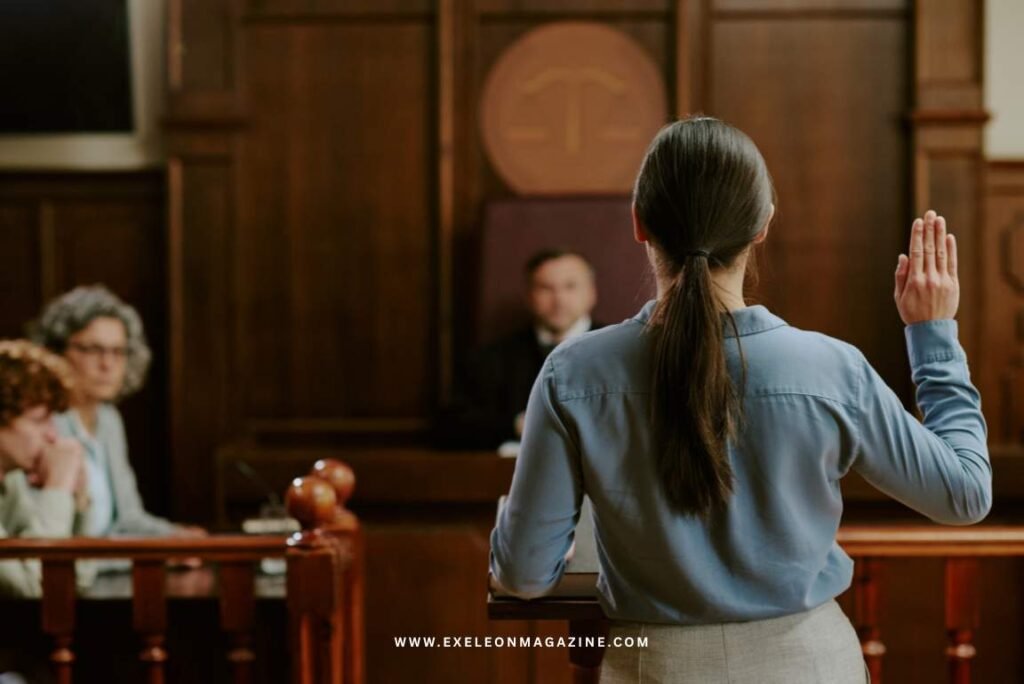
A deposition locks a witness into sworn testimony before trial ever begins. If that witness later changes their story on the stand, the recorded deposition becomes a weapon for the defense. That shift in testimony can damage credibility, weaken the prosecution’s case, or, in some situations, stop that witness from being used against you entirely.
Defense attorneys look for every available opening before a case reaches a jury. Working with an experienced attorney means examining all ways to get a criminal case dismissed or reduce the strength of the evidence the prosecution intends to present. A deposition, handled strategically, is one of the most effective ways to do that.
What a Deposition Actually Does in a Criminal Case
Depositions are more common in civil cases, but they carry real weight in criminal defense when used correctly. Some states allow them when a witness may be unavailable at trial or when preserving testimony serves justice.
When a witness sits for a deposition, every answer is recorded and transcribed. That record follows the witness all the way to trial.
How Inconsistent Testimony Works Against a Witness
Once a witness gives sworn deposition testimony, they are committed to that version of events. Any deviation at trial creates an inconsistency that the defense can use directly in front of the jury.
Locking In the Story
Under Federal Rule of Evidence 801(d)(1)(A), a prior inconsistent statement made under oath is not just useful for attacking credibility. It can be used as substantive evidence. That means the jury can weigh both versions and decide which one to believe.
What Counts as a Damaging Inconsistency
Not every difference matters equally. Defense attorneys focus on contradictions that go to the heart of the charge.
- Contradictions about whether the defendant was present at the scene
- Conflicting accounts of what was said or done during the incident
- Different descriptions of timing, location, or sequence of events
- Statements that directly contradict physical evidence in the case
Minor memory gaps rarely move a jury. Direct contradictions of central facts are what raise reasonable doubt.
When a Deposition Can Replace a Witness Entirely
In some cases, a deposition does more than impeach a witness. It can remove them from the trial altogether.
If a witness becomes legally unavailable before trial, their deposition may be introduced in place of live testimony. Federal Rule of Evidence 804 allows this under specific conditions, including a witness who cannot be located, refuses to testify, or has died.
The Confrontation Clause Requirement
There is one critical requirement under the Sixth Amendment. The defendant must have had a prior opportunity to cross-examine that witness for the deposition to be admissible.
A well-conducted deposition where the defense thoroughly questioned the witness satisfies that requirement. That earlier cross-examination can effectively substitute for the witness ever appearing at trial.
Steps to Take When a Key Witness Has Been Deposed
Getting the most out of a deposition requires preparation well before the trial date.
- Obtain the full deposition transcript during discovery without delay.
- Compare every answer against police reports, affidavits, and prior written statements.
- Identify contradictions tied to material facts, not just minor details.
- Determine whether the witness qualifies as unavailable under your state’s evidence rules.
- Build a cross-examination strategy around the deposition record before the trial begins.
The Limits of This Strategy
This approach is powerful, but it is not without boundaries. Depositions are not available in every state for criminal defendants, and judges have discretion over how inconsistent testimony is handled at trial.
A witness who explains a discrepancy clearly and calmly can still be persuasive to a jury. This strategy works best when the inconsistency is sharp, documented, and tied directly to a core element of the charge.
Key Takeaways
- A deposition commits a witness to sworn testimony before the trial begins.
- Inconsistencies between deposition answers and trial testimony can directly undermine a witness.
- Under FRE 801(d)(1)(A), prior inconsistent sworn statements can be used as substantive evidence.
- If a witness becomes unavailable, FRE 804 may allow their deposition to replace live testimony.
- The Sixth Amendment requires a prior cross-examination opportunity for deposition testimony to be admissible.
- Contradictions on material facts carry far more weight than minor memory differences.
- Depositions are not available in every state, so availability depends on jurisdiction and court rules.