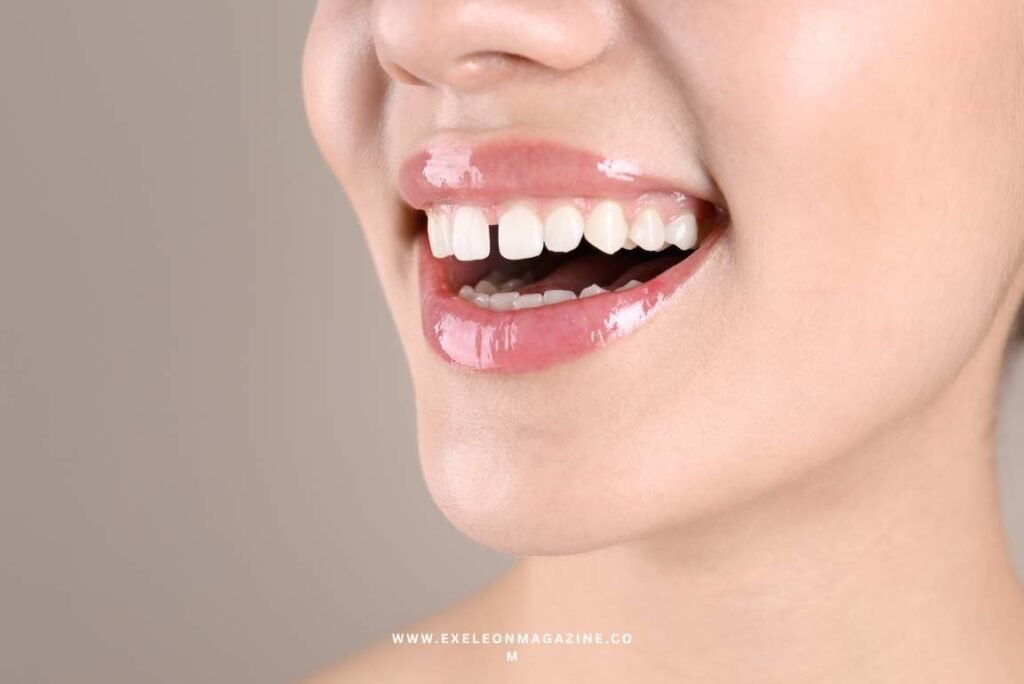
Patients sit in the chair all the time asking if a gap between their front teeth can vanish before a wedding on the weekend. The gap is clinically known as a diastema. People usually love it or hate it. If you want it gone quickly, the answer is yes. You can fix it in a single appointment. But there is a massive difference between a quick patch job and a lasting aesthetic result.
Closing a gap in a few hours relies entirely on dental bonding. Orthodontics take months. Porcelain work requires laboratory time, which means temporary covers and at least two separate visits. Bonding is the only true single visit option. It uses a tooth coloured resin applied directly to the existing enamel. The dentist sculpts the material, cures it with a special light, and polishes it so you walk out looking completely different.
The Foundation of a Good Match
You cannot change the shade of the resin once it sets in the mouth. This catches a lot of patients off guard. If your teeth are heavily stained from years of drinking flat whites and red wine, the practitioner has to match the new resin to that darker shade.
This is exactly why most clinics strongly recommend completing teeth whitening treatments a few weeks before you attempt any structural fixes. If you bond the teeth first and then try to brighten your smile later, your natural enamel will lift in shade but the resin in the middle will stay exactly the same. You end up with a very obvious, dull block right at the front of your mouth. Getting the baseline shade sorted first is non-negotiable if you want a natural look.
The Direct Application Process
Once the foundation shade is settled, the actual chair time is fairly straightforward. The surface of the adjacent teeth is lightly etched to create a microscopic texture. This helps the material stick. From there, the practitioner applies the resin in thin layers.
Sometimes, instead of just adding a tiny bit to the inside edges of the teeth, a dentist might recommend composite veneers to reshape the entire front surface. This is done to maintain the right anatomical proportions. If you just add width to close a large gap without considering the height or the overall curvature of the tooth, you end up with two front teeth that look like flat squares. Proportion dictates everything in cosmetic dental work.
What to Expect in the Chair
The procedure is usually completely painless. You rarely need local anaesthetic because there is no need to drill into the sensitive inner layers of the tooth. You just sit back while the dentist works.
It takes about one to two hours depending on the size of the gap and how much blending is required. The polishing stage takes up a surprising amount of that time. Getting the texture right so the resin reflects light the exact same way as your natural enamel is what separates an average job from great work. Cheap bonding looks flat and opaque. High quality bonding mimics the natural translucency of a real tooth.
The Biomechanics of Your Bite
Not every gap qualifies for a same day fix. The way your teeth meet when you chew dictates whether bonding will survive.
If your bite is heavily misaligned and your bottom teeth constantly crash into the back of your top teeth, any bonding material will just get knocked off within a week. The sheer force of the human jaw is incredible. Resin cannot withstand direct, heavy impact from opposing teeth. A good practitioner will evaluate your occlusion before agreeing to the procedure. They will tell you if you are a bad candidate rather than taking your money and doing a temporary job that is doomed to fail.
Additionally, if the space is wider than a few millimetres, adding resin will make the front teeth look absurdly wide. In those cases, moving the teeth with orthodontics is the only biologically sound option.
Durability and Real World Habits
Resin is strong but it is definitely not indestructible. Think of it as a highly advanced medical plastic. If you have a habit of biting your nails, tearing open plastic packaging with your teeth, or chewing on pens, you will chip the new edges. It happens constantly.
Australian private health insurance might cover some of the cost under general or major dental depending on your extras policy. However, replacing chipped resin every six months gets expensive and tedious regardless of your cover. You need to treat the front teeth with respect. Bite into hard foods like apples and crusty bread carefully.
Long Term Upkeep
Expect bonding to look its absolute best for about five to seven years. The material absorbs stains over time. Smokers and heavy coffee drinkers will notice the edges picking up a faint brown outline faster than others.
You can have the margins polished up during your regular six month checkups to keep them looking fresh. Eventually, the material degrades, loses its shine, and needs replacing. It is not a permanent fix, but for a procedure that requires zero drilling and only takes a single morning to complete, it remains one of the most practical options in modern dentistry.