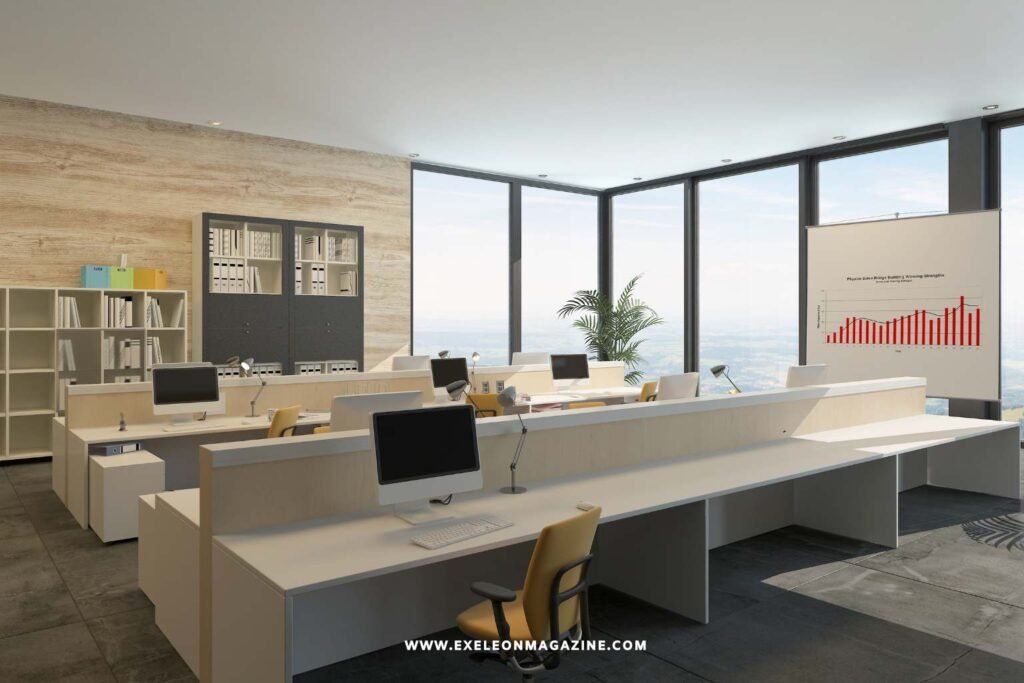
First impressions shape how people feel about a business long before a conversation begins. Whether someone walks into a café, boutique, office, or showroom, the surroundings influence their expectations and confidence. Customers notice far more than business owners often realise, from lighting and layout to furniture and finishes.
A well-planned commercial interior design creates an environment where visitors feel comfortable, engaged, and ready to spend time and money. On the other hand, avoidable design mistakes can leave customers feeling frustrated, uncomfortable, or unimpressed. Understanding these common pitfalls helps businesses create spaces that support both their brand and their bottom line.
Prioritising Style Over Comfort
Many commercial spaces focus heavily on aesthetics without considering how customers actually use the environment. A striking design may initially attract attention, but if visitors struggle to find seating, navigate the layout, or feel comfortable, the visual impact quickly fades.
Comfort should remain at the heart of every commercial interior. Seating should support longer visits where appropriate, walkways should remain clear, and lighting should help rather than hinder the customer experience. Every design decision should answer a simple question: does this improve the visitor’s experience?
Soft furnishings also play an important role. Curtains, blinds, upholstery, and textiles contribute to acoustics, privacy, and comfort while reinforcing the overall design style. Selecting materials that suit the purpose of the space often makes a noticeable difference to how welcoming it feels.
Ignoring the Role of Colour and Texture
Colour has a powerful influence on mood, yet businesses sometimes choose palettes based solely on current trends instead of their brand identity or customer expectations.
Neutral schemes can feel sophisticated, but too much grey or white may appear cold and impersonal. Equally, overly bold colours can overwhelm visitors if they dominate the entire space. A balanced approach creates visual interest without distracting customers from the products or services on offer.
Texture deserves equal attention. Combining natural materials, fabrics, wood, glass, and metal adds depth to an interior and prevents it from feeling flat or sterile. If you’re looking for inspiration when choosing quality fabrics, window dressings, and home furnishings, explore collections available at Terry’s Fabrics to see how different textiles contribute to a cohesive interior.
The right combination of colour and texture helps reinforce a brand while making customers feel more comfortable spending time in the space.
Overlooking Lighting Design
Lighting affects every aspect of the customer experience, yet it’s often treated as an afterthought during commercial renovations. Poor lighting can make products appear dull, create uncomfortable glare, or leave important areas feeling uninviting. Customers naturally gravitate towards spaces that feel bright, warm, and easy to navigate.
Rather than relying on a single lighting source, businesses benefit from layering different types of lighting. Ambient lighting provides overall illumination, task lighting supports practical activities, and accent lighting draws attention to displays or architectural features.
Natural light should also be used wherever possible. Large windows, carefully selected window treatments, and thoughtful furniture placement allow businesses to maximise daylight without sacrificing privacy or comfort.
Creating Confusing Layouts
Customers should never have to work hard to understand how a commercial space functions. Retail stores with cramped aisles, restaurants with awkward seating arrangements, and offices with confusing reception areas can all create unnecessary frustration. Even attractive interiors lose their impact when navigation becomes difficult.
An effective layout guides visitors naturally through the space. Clear sightlines help customers understand where to go, while thoughtful furniture placement encourages movement without creating bottlenecks.
Business owners should also consider accessibility from the earliest planning stages. Spacious walkways, logical furniture positioning, and inclusive design choices make environments more welcoming for everyone while supporting smoother day-to-day operations.ns.
Neglecting Ongoing Maintenance
Even the most thoughtfully designed commercial interior will lose its appeal if maintenance becomes inconsistent.
Worn upholstery, faded curtains, chipped paint, damaged flooring, and outdated décor can gradually undermine customer confidence. Visitors may not consciously identify every issue, but collectively, these issues influence perceptions of professionalism and attention to detail.
Regular inspections allow businesses to identify small problems before they become costly repairs. Refreshing textiles, replacing worn furnishings, updating decorative elements, and maintaining cleanliness all help preserve the quality of the customer experience.
Commercial interiors should evolve alongside the business. Seasonal updates, subtle refreshes, and occasional redesigns keep spaces feeling current without requiring a complete renovation.
Aligning Interior Design With Your Brand
A commercial interior should tell the same story as the business itself. Customers expect consistency between branding, marketing, customer service, and physical surroundings. A luxury brand presented in a tired interior creates uncertainty, while a modern business operating in an outdated environment may struggle to convey innovation.
Every design choice, from furniture selection to fabrics, lighting, and decorative finishes, should reinforce the company’s identity. This consistency builds trust and helps customers remember the experience long after they leave.
Rather than chasing short-lived design trends, businesses often achieve better long-term results by creating spaces that reflect their values, audience, and purpose.
Final Thoughts
Commercial interior design influences far more than appearances. It shapes customer perceptions, affects comfort, and contributes to whether visitors choose to return. Businesses that balance functionality with thoughtful design create environments that encourage people to stay longer and engage more positively with their brand.
Avoiding common mistakes such as poor layouts, uncomfortable furnishings, inadequate lighting, and neglected maintenance helps create spaces that work for both customers and employees. When every design decision supports the overall experience, the commercial interior becomes an asset that strengthens the business for years to come.