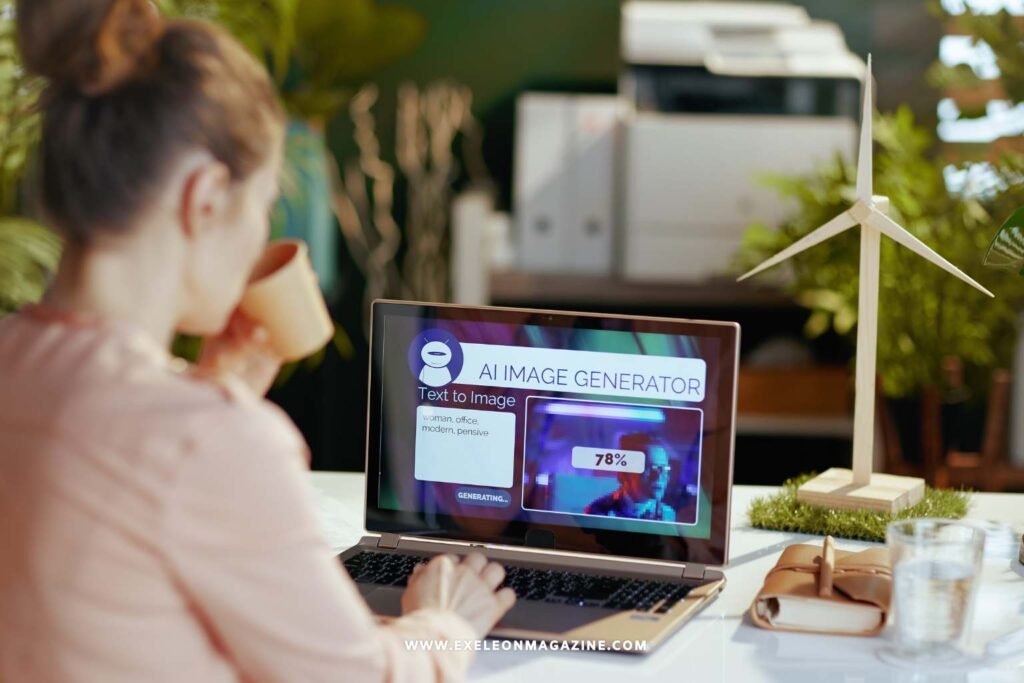
Artificial intelligence has revolutionized digital content creation, enabling designers, marketers, and artists to generate stunning visuals without requiring expensive equipment or advanced technical skills.
The landscape of AI-powered image generation has evolved dramatically, offering creators multiple options to choose from based on their specific needs and preferences.
Key Takeaways
- AI image generators vary significantly in their strengths, with some excelling at photorealism, others at text rendering, and others at artistic styles.
Choosing the right platform depends on your specific creative needs and primary use cases. - Multi-model platforms like getimg.ai offer versatility by combining access to leading AI models from different developers in a single workspace.
This approach eliminates the need to switch between different tools when different generators excel at different types of images. - FLUX.2 remains the industry leader for photorealistic image generation with exceptional lighting, textures, and materials suitable for commercial photography.
GPT Image and Nano Banana 2 excel at rendering readable text within images for marketing graphics and posters. - Editing capabilities, team collaboration features, and asset organization tools significantly impact workflow efficiency beyond just image generation quality.
Selecting a platform requires evaluating the complete feature set rather than focusing solely on generation capabilities. - Pricing structures vary considerably across platforms, ranging from free tier options to subscription plans and credit-based systems.
Testing different generators with your actual prompts and creative requirements provides the most practical insight before committing financially. - The rapid advancement of AI image generation means newer models frequently match or exceed the historical advantages of established platforms.
Regular evaluation of current capabilities ensures you’re using the most advanced technology for your creative projects.
Understanding AI Image Generation Technology
AI image generators work by analyzing patterns in vast databases of images and text descriptions to create new, original visuals based on user prompts.
The technology has advanced significantly, with modern systems capable of producing photorealistic images, artistic styles, and detailed compositions that rival professional photography.
Understanding how these AI tools work helps you select the right platform for your creative projects.
The transformation has become essential for modern marketing strategies and creative workflows across industries.
Content creators increasingly rely on AI to accelerate production timelines while maintaining high-quality standards.
Whether you’re a graphic designer, social media manager, marketing professional, or creative entrepreneur, finding the right tool can dramatically impact your productivity and output quality.
What Makes a Great AI Image Generator
The best AI image generator combines several critical factors that work together to enhance your creative process.
Model variety plays a crucial role since different algorithms excel at different tasks like photorealism, text rendering, or artistic styles.
Speed of generation, editing capabilities, pricing structure, and output resolution are equally important when evaluating options.
Integration capabilities matter significantly if you already use other design software in your workflow.
The learning curve varies considerably between platforms, with some offering intuitive interfaces for beginners while others provide advanced controls for professionals.
Export options and file format support influence your decision based on project requirements.
Your specific use case also determines the best choice among available options. Whether you’re creating social media content, marketing materials, or professional visuals, selecting the right platform ensures optimal results for your needs.
The Current Landscape of AI Image Generation
Today’s AI image generation market features platforms that range from single-model services to comprehensive multi-model ecosystems.
Some platforms specialize in specific strengths like photorealism or text accuracy, while others prioritize offering diverse model access in a single unified workspace.
Understanding this landscape helps you navigate the options available and identify which approach aligns with your workflow.
The market leaders have emerged through consistent innovation and refinement of their core technologies.
Photorealistic models have become particularly advanced, enabling creators to produce images suitable for commercial use in marketing, advertising, and professional publications.
Text rendering capabilities have also improved dramatically, allowing designers to create posters, graphics, and marketing materials without worrying about garbled or illegible text.
Platform interfaces have become increasingly user-friendly, with many offering automatic prompt enhancement that expands natural language descriptions into detailed specifications automatically.
Built-in editing tools eliminate the need to export and edit images in separate software, enabling complete workflows within a single platform.
Team collaboration features have also advanced, allowing multiple users to work together on visual projects while maintaining organized asset libraries.
Choosing the Right Platform for Your Workflow
Selecting the best AI image generator depends on several important considerations that impact your overall workflow and results.
The decision should reflect your primary use case, technical expertise, and integration needs with existing tools. A beginner might prioritize ease of use and automatic enhancements, while a professional might value advanced controls and batch processing capabilities.
Budget considerations also play a significant role in your selection process. Many platforms offer free trials or freemium models that allow you to test functionality before committing financially.
Monthly subscription costs vary widely depending on usage limits, model access, and premium features like higher resolution exports or priority processing.
The integration capabilities of a platform often determine whether it fits naturally into your existing creative workflow.
Some platforms work seamlessly with popular design software, while others function as standalone solutions.
Asset management systems and file organization tools vary considerably between platforms, affecting how efficiently you can manage large projects with many variations.
Key Features That Matter
When evaluating AI image generators, photorealism quality, text rendering accuracy, speed, pricing, and resolution options must all factor into your decision.
Different platforms excel at different specialties, meaning the best choice depends entirely on your specific creative requirements and project types.
A strong image generator for product photography differs significantly from the ideal choice for artistic concept art or marketing graphics.
Generation speed impacts your productivity significantly when working on tight deadlines or high-volume projects.
Some platforms complete image generation within seconds, while others may take longer depending on model complexity and server load. The time between prompting and receiving final images affects whether a platform works for rapid iteration or serves better for batch processing.
Export resolution capabilities determine whether generated images work at various scales and formats. High-resolution exports ensure images scale properly for both digital and print applications.
Batch export options and format flexibility allow you to generate images in multiple formats simultaneously, saving considerable time in workflow.
Making Your Final Selection
The most important step is identifying your primary use case and then selecting a platform that specializes in that specific application.
Multi-model platforms offer versatility for creators working across multiple project types and styles. Single-model platforms excel when you focus on one specific creative domain with deep expertise.
Consider starting with free trials to test different generators before committing to paid subscriptions.
Testing different platforms with your actual prompts and creative requirements provides practical insight into which tool best matches your workflow. The right choice combines image quality, ease of use, editing capabilities, and pricing that align with your creative ambitions.
Budget constraints, timeline requirements, and scalability needs also play crucial roles in your final decision.
Whether you’re a freelancer, small agency, or enterprise team, the platform you choose should grow with your ambitions.
Support quality and community resources can also influence your experience with any given platform over time.
Frequently Asked Questions
What is the best AI image generator for beginners?
Beginners typically find platforms most approachable when they offer unified interfaces, automatic prompt enhancement, and built-in editing tools all in one workspace.
The platform should eliminate the need to learn multiple tools by providing access to all leading models in a single location.
Conversational interfaces that feel intuitive to most users work particularly well for those just starting with AI image generation.
Can AI image generators create professional quality images?
Yes, modern AI generators produce broadcast-quality images suitable for commercial use in marketing, advertising, and professional publications.
Output quality now rivals professional photography for many applications, though results depend on prompt clarity and the specific model chosen. High-resolution export options ensure images work at any scale for print or digital media.
Which AI image generator is best for text in images?
Specialized text rendering models excel at rendering readable text within generated images, making them ideal for posters, graphics, and marketing materials.
These platforms handle complex text layouts and maintain accuracy across multiple lines of text in a single image.
If text rendering is your primary requirement, generators specifically optimized for this capability consistently outperform general-purpose alternatives.
Are AI-generated images free to use commercially?
Most platforms allow commercial use of generated images, but terms vary between services and subscription levels.
Always check the specific platform’s terms of service regarding usage rights, licensing, and commercial applications.
Some platforms require proper attribution while others grant unrestricted commercial rights to subscribers, so reviewing licensing carefully before commercial use is essential.
How fast do AI image generators create images?
Generation speed varies from a few seconds to a minute or more depending on the platform, model complexity, and server load. Leading models typically complete images within 10 to 30 seconds for standard requests.
Factors like image resolution, prompt complexity, and simultaneous user demand can affect generation speed significantly across all platforms.
Can I edit AI-generated images after creation?
Most platforms include built-in editing tools for modifying generated images post-creation. Common editing capabilities include background removal and replacement, style transformation, content inpainting, and resolution upscaling.
These editing features eliminate the need to regenerate images when minor adjustments are needed or when you want to refine your work.
Conclusion
The best AI image generator in 2026 depends on your specific creative needs, budget, and workflow preferences.
Whether you prioritize photorealism, text rendering, artistic style, or multi-model versatility, excellent options exist for every creative professional. Start exploring different platforms today to discover which tool elevates your creative vision most effectively.