There is a reason the world’s most consequential deals have been struck not in boardrooms, but over dinner.
Leaders entertain; leadership extends far beyond the office. The ability to host with intention — to create an environment where people feel genuinely valued — is one of the quieter hallmarks of executives who endure. In an era of Slack messages and virtual handshakes, the in-person dinner has become a rare and powerful currency. Those who master it hold an edge that no productivity app can replicate.
First Impressions Begin Before the Table
The experience of being hosted well starts the moment a guest receives the invitation. A well-crafted message—specific about the occasion, clear about the dress code, and warm in tone — signals that the evening has been thought through. That intentionality is noticed. It frames everything that follows.
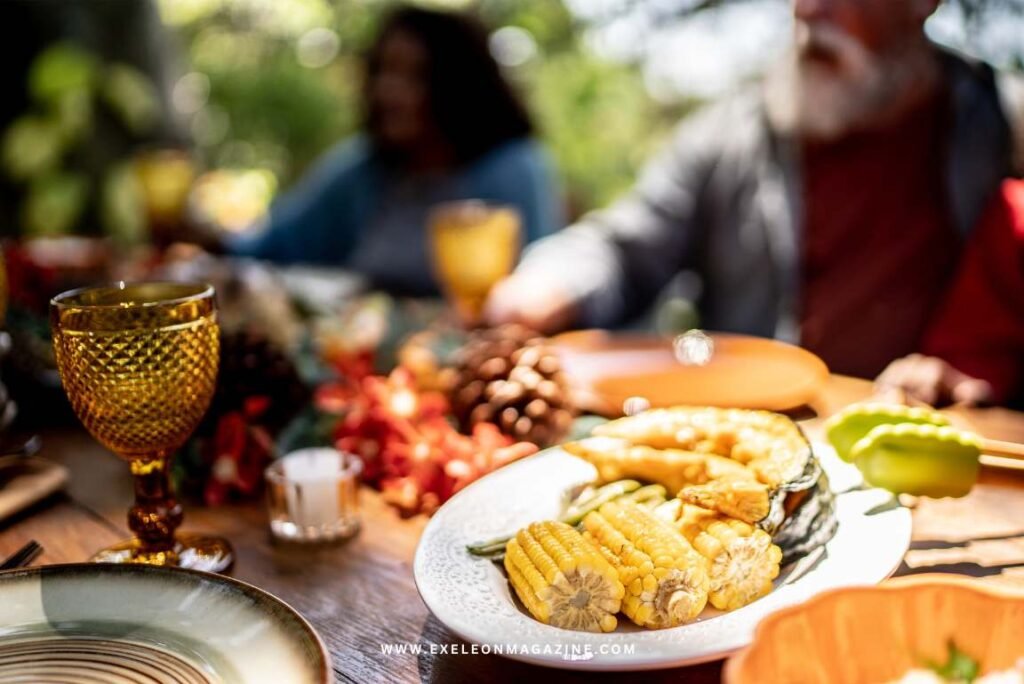
The venue matters, too. Whether you are hosting at a private club, a restaurant with a reserved back room, or your own home, the space should feel considered rather than convenient. Natural light and thoughtful acoustics make conversation effortless. Crowded, noisy rooms work against connection. For home entertaining in particular, the investment in ambiance — candles, fresh florals, a curated playlist — communicates respect for your guests’ time and experience.
The Menu as a Leadership Signal
What you serve says something about how you think. A menu that reflects care, seasonality, and a degree of culinary knowledge demonstrates the same attention to detail that distinguishes exceptional leaders in business. It does not need to be elaborate. What it must be is deliberate.
Premium proteins command the table in a way that everyday fare cannot. Lobster, dry-aged beef, and responsibly sourced fish anchor a meal with a sense of occasion. They signal investment—in the evening and in the people around it. If you are serving lobster that has been sourced and cooked in advance, know that presentation is everything. Understanding tips for reheating cooked lobster at home ensures the dish arrives at the table the way it was meant to — tender, succulent, and worthy of the moment you have created.
Wine and beverage pairings deserve the same level of thought. A sommelier consultation, even a brief one, elevates the experience and demonstrates that you have done the work. Always have a non-alcoholic option that is equally considered—a house-made sparkling infusion or an elegant mocktail conveys inclusion without calling attention to it.
Conversation Architecture
The most sophisticated hosts understand that a great dinner is not simply about the food. It is about the conversation the food makes possible. Seating arrangements are a tool, not an afterthought. Placing people strategically — pairing the introverted strategist with the curious creative, ensuring no one is marooned at the end of the table — is a form of generosity.
Leaders who host well tend to open the table with a single, well-chosen question. Not a surface-level icebreaker, but something with genuine weight: a lesson learned this year, a conviction that has recently been challenged, a moment that changed the way they lead. These prompts disarm the transactional instinct and invite people into something more meaningful.
Equally important is knowing when to step back. The best host in the room is rarely the one talking the most. They are the one making sure everyone else feels heard.
The Details That Define the Experience
Exceptional hospitality lives in specificity. A handwritten place card. A copy of a book you admire at each setting, chosen for the individual receiving it. A brief, sincere toast that acknowledges something particular about the assembled group. These gestures require almost no budget and enormous attention—which is precisely what makes them memorable.
Temperature, pacing, and timing are the invisible architecture of a great dinner. Courses that arrive too quickly create a sense of pressure; too slowly, and momentum is lost. The ideal flow moves like a well-run meeting: purposeful, unhurried, and ending before it should.
For those hosting at home, consider a post-dinner ritual that extends the evening naturally — a move to a different room for dessert and coffee, a brief walk if the setting allows, or a single shared activity that gives the gathering a graceful close rather than an abrupt one.
Hospitality as a Leadership Philosophy
The executives who are most remembered as hosts share a common trait: they make people feel like the most important person in the room. That is not charm for its own sake. It is a practiced skill rooted in genuine curiosity about others, refined over years of intentional effort.
In business, relationships are the infrastructure on which everything else is built. Revenue comes and goes. Markets shift. But the person who made your best client feel truly seen at a dinner three years ago has banked something that no competitor can undercut.
Great hospitality also models something internally. When a leader demonstrates care for the whole person — their comfort, their experience, their enjoyment — it sets a cultural standard. Teams that watch their leaders entertain hosts with grace tend to mirror that attentiveness in client relationships, in collaboration, and in the way they treat colleagues.
The Investment Worth Making
There is a temptation, particularly among high-output leaders, to deprioritize entertaining as a luxury expense or an inefficient use of time. This is a miscalculation. The dinner table is one of the last spaces in professional life where the transaction is suspended and something more human takes its place.
Invest in it accordingly. Source exceptional ingredients. Learn the craft of the table. Understand the details — from how a centerpiece should sit to how to bring a lobster dish to perfection on the night — because the details are the point.
The leaders who understand this do not merely close deals over dinner. They build the kinds of relationships that last well beyond any single transaction, forged in the most fundamental act of human connection: sharing a remarkable meal.