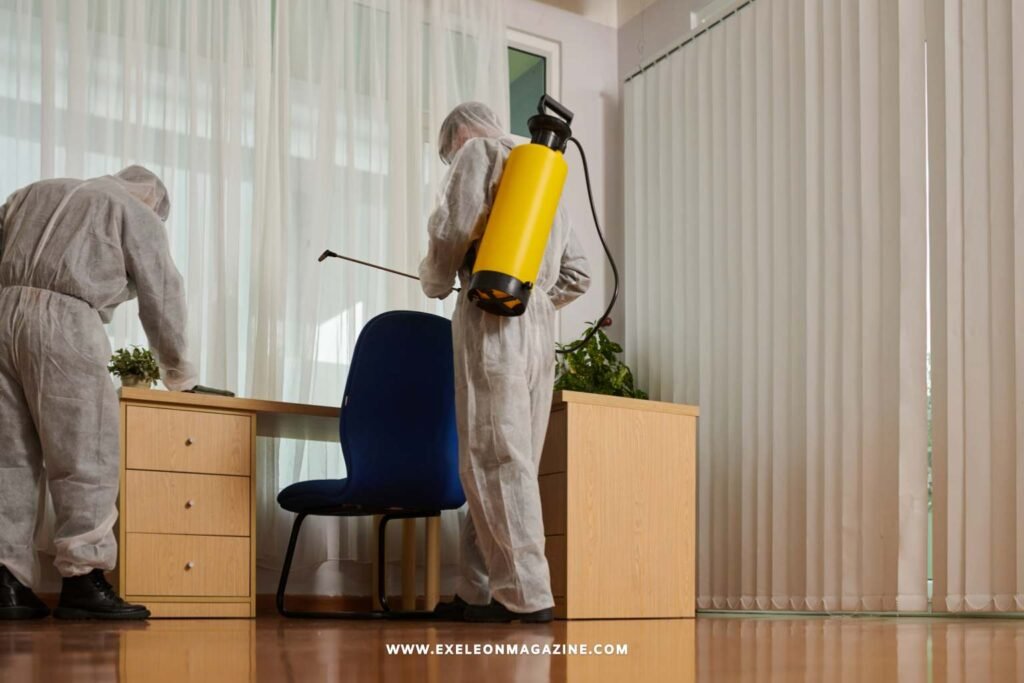
Pests have always been an unwelcome part of home and business ownership, but the way they are managed has changed dramatically over the years. Previously, pest control was a reactive strategy, focusing on eliminating pests as quickly as possible once an infestation became evident. Very little effort was invested in determining the reason for the presence of pests.
Now, the industry is adopting an approach that has proven highly efficient and effective in addressing pest problems. Instead of just eliminating pests after they’ve made their way inside the home or office, pest control companies focus on keeping them away before they can even enter.
This makes a world of difference not only in the results achieved but also in protecting the property, saving money, and being environmentally friendly. Prevention has become the key component of successful pest management.
Below are some of the reasons why modern pest control services are more focused on prevention rather than just pest elimination.
1. Prevention Addresses the Root Cause
One of the major justifications for the emphasis that contemporary pest control services place on prevention is the fact that it addresses the root causes that lead to the attraction of pests rather than the symptoms themselves.
Getting rid of insects and rodents that have already invaded a particular property may bring some relief. Still, it will do very little to prevent new infestations since food sources, shelter, and even ways to get in and out remain available.
This means that any serious pest management program usually starts with an inspection of the property in question.
This way, any gaps, cracks, moisture issues, and similar vulnerabilities are revealed, making it possible to provide recommendations for sealing them, improving sanitation, eliminating standing water, and eliminating hiding spots. As a result, the property becomes much less appealing to pests.
2. Long-Term Solutions Are More Effective Than Temporary Fixes
Although eradicating pests may help resolve a pressing issue, it usually does not address the problem in the long term, since many pest species breed rapidly, and only a few individuals can lead to an infestation within several weeks. In other words, dealing with pests reactively means facing the same problem over and over again.
Preventive pest control, which includes scheduled checkups, treatments, and year-round monitoring, helps detect signs of pest activity early and take measures to eliminate the threat in advance.
3. Early Detection Helps Prevent Costly Damage
Most pests do their work before being noticed by homeowners. Rats might start nibbling on wires, termites might compromise the stability of wooden structures, and insects may affect the quality of stored food or harm insulating materials. The problem is that by the time the symptoms become apparent, the cost of repairs will be quite high.
Proactive pest control is all about the timely identification of the problem through proper inspection procedures. Rodent droppings, nesting material, presence of moisture, signs of wood damage, or small openings – all these are clear signs of potential infestations.
The fact that these problems are detected in the early stages makes it possible to take corrective measures before any damage is done. This way, people can avoid costly repairs and keep their properties in good shape.
4. Prevention Supports Health and Safety
Another crucial factor behind the popularity of prevention is the improvement in health and safety. Some pests carry bacteria, allergens, and other disease-causing pathogens that can harm both people and animals. Some rodents can contaminate food sources, while cockroaches can cause the development of asthma. Moreover, some pests bite or sting and can cause harm.
It is better not to wait until health concerns caused by pests become urgent; preventive pest control helps prevent infestations and reduces the risk of potentially dangerous contamination spreading across the premises.
5. Prevention Can Be More Cost-Effective
Initially, some property owners consider preventive pest control an unwarranted cost. Actually, it is not always so. Usually, waiting until a serious infestation occurs is more expensive than treating pests preventively, because in such a situation you will have to pay for pest treatment, repairs, replacement of damaged items, and even evacuation.
The preventive approach helps distribute pest control expenses over the long term, making them more predictable and less expensive. In addition, frequent inspections enable the identification of problems before the need for expensive pest treatment arises.
6. Modern Technology Makes Prevention More Precise
Advancements in pest control technology have aided the industry’s emphasis on prevention. Modern-day technicians have better equipment and methods to detect pests and their risks at sites much more efficiently than in the past.
As a result, technicians do not have to perform general treatments in entire sites but can treat specific areas that would be at risk from pest invasion. Such efficiency will help save money and eliminate unnecessary product waste.
Furthermore, technicians will be able to see through the collected information that there are specific seasonal risks as well as other recurring risks. The collected information will enable adjustments to the preventive plan as needed.
7. Prevention Provides Greater Peace of Mind
One of the best things about preventive pest control is the assurance it offers to people who own either houses or commercial buildings. They do not have to stress about pest infestations all the time, since they know experienced specialists regularly inspect their premises.
It allows for spotting possible problems at an early stage when they are still manageable, while advice provided by experts ensures that the premises stay pest-free during every season.
This way, individuals can relax and spend quality time at home, and companies are assured they will not be interrupted in their work by pests. Preventive pest management has become a preferred option.
Conclusion
Evolution in pest control services has led to greater awareness that prevention can yield more permanent pest management. Although the removal of current pests has remained an important aspect of these services, it is no longer the primary objective of such pest management practices.
It is now seen as the basis of all efficient and sustainable pest management systems since it addresses the root causes of these problems, saves money in the long run, improves health, prevents damage to property, and ensures sustainability.