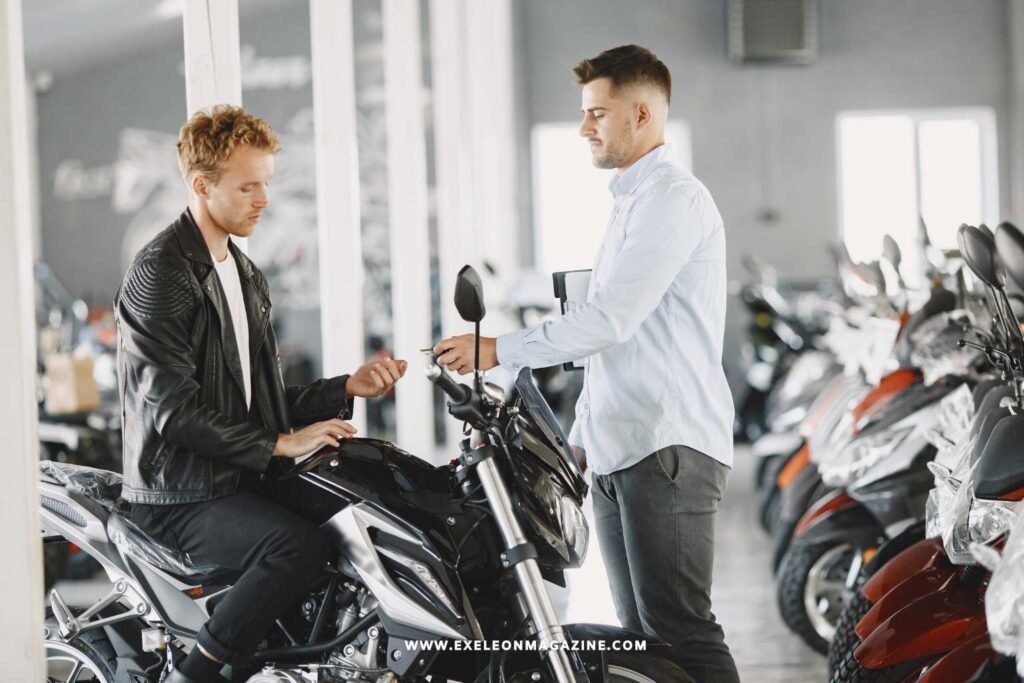
Picking up the keys to a first new motorcycle is one of the more thrilling moments a person can experience. The freedom, the open road, the sense of control, it all feels earned. But that excitement sometimes pushes new owners to skip steps that matter, and those gaps in preparation can turn a rewarding hobby into a dangerous one. Becoming a safe and confident rider takes more than choosing the right model and signing the paperwork.
Here are the most common mistakes new owners make, and how to avoid them.
Getting to Know Your Bike Before You Go Anywhere
Sitting on a new motorcycle and immediately heading into traffic is one of the fastest ways to get into trouble. Every model has its own quirks: the clutch engagement point, the brake sensitivity, the throttle response. These details feel minor until they catch a rider off guard at an intersection.
Read the Owner’s Manual First
The manual is not filler content. It explains break-in procedures, recommended tire pressures, fluid types, and maintenance intervals specific to that exact model. Skipping it means riding without a complete picture of how the machine actually works.
Spend Time in a Parking Lot
Before touching public roads, practice starting, stopping, and shifting in an empty lot. Work on slow-speed balance, tight turns, and smooth braking. These drills feel basic, but they build the muscle memory that keeps riders calm when something unexpected happens. That calm is worth more than any upgrade you can bolt on.
Adjust the Controls to Fit
Mirrors, levers, and suspension settings are not one-size-fits-all. Ten minutes adjusting everything to a comfortable position improves both control and awareness from the first ride onward. Small tweaks, real difference.
Underestimating What Proper Gear Actually Does
A common mindset among new riders is that gear is optional on short trips or warm days. That reasoning falls apart quickly when the road comes up to meet you. Regular clothing offers almost no protection during a fall. Denim tears, cotton burns, and neither material absorbs impact.
Motorcycle helmets are estimated to be 37% effective in preventing fatal injuries to motorcycle operators. That number represents real lives, and it applies only to riders who actually wear one. A quality, DOT-compliant helmet is the single most important piece of equipment a new owner can buy.
Beyond the helmet, the full kit matters: an armored jacket, reinforced gloves, riding pants with knee and hip protection, and ankle-supporting boots. Gear designed for warm weather exists and works well. There is no reason to trade protection for comfort when both are available.
Riding Beyond What Your Skills Can Handle
New riders often overestimate how quickly road experience transfers from watching videos or riding as a passenger. Highways, heavy traffic, and fast-moving intersections demand split-second decisions that take time to develop. Jumping into those environments too soon is a mistake. A costly one.
Start with quiet residential streets and empty lots. Practice emergency braking, the kind of hard, controlled stop that feels unnatural until it becomes automatic. Work on cornering technique, because improper entry speed and poor body position cause more crashes than most new riders expect.
Build confidence in layers. Ride familiar routes before exploring new ones, add complexity gradually, and treat every session as a chance to refine something specific rather than just putting miles on the odometer.
Ignoring Accident Preparedness and Legal Protection
Even a careful, well-geared rider can end up in a crash caused by someone else. Distracted drivers, people running red lights, and vehicles making sudden lane changes are hazards that no amount of skill fully eliminates.
Knowing what to do in the immediate aftermath matters. Document the scene with photos before anything moves. Seek medical attention even when injuries seem minor, because adrenaline masks pain and some injuries take hours or days to surface. Notify insurance promptly and keep a clear record of everything: medical visits, repair estimates, and any communication with other parties involved.
Keeping detailed maintenance records before a crash also helps. They show that the motorcycle was in good working order, which can be relevant during an insurance claim or legal dispute.
When another driver’s negligence causes serious harm, speaking with a lawyer specializing in motorcycle accidents helps riders understand their rights and pursue compensation for medical costs, lost income, and vehicle damage. Prevention is always the goal, but being prepared for the unexpected is part of responsible ownership.
Neglecting Regular Maintenance
A motorcycle that is not maintained will eventually fail at the worst possible moment. Tire pressure and tread depth affect grip and handling in ways that become obvious only when something goes wrong. Brakes wear gradually, and a rider who never checks them may not notice the degradation until stopping distance increases at exactly the wrong time.
A basic routine covers the most important ground:
- Check tire pressure and tread before every significant ride
- Inspect brake pads and fluid levels monthly
- Monitor chain tension and lubrication regularly
- Watch oil and coolant levels and change them on schedule
- Test all lights before riding at night or in low-visibility conditions
Following the manufacturer’s maintenance schedule is not optional. It is the minimum standard for keeping the machine safe.
Treating Riding Skills as Something You Either Have or You Don’t
Riding well is a perishable skill. It degrades without practice and improves with deliberate effort. Many new owners take an introductory safety course, pass, and then never seek additional instruction. That approach leaves a lot of capability on the table.
Thirty-four percent of motorcycle riders in fatal traffic crashes in 2023 were riding without valid motorcycle licenses at the time of the crashes, a clear sign that formal training and certification are often skipped entirely. Advanced courses teach emergency maneuvers, high-speed cornering, and hazard recognition in controlled environments where mistakes carry no real consequences.
Ride with more experienced people when possible. Watch how they position themselves in traffic, how they read intersections, how they manage speed. Then build your own habits based on what actually works, not just what feels comfortable.
The Bottom Line
Owning a new motorcycle rewards the people who take it seriously. The riders who stay safe over years and decades are not the ones who got lucky. They are the ones who built good habits early and kept refining them.
Gear up every time, maintain the machine, know your legal options, and treat skill-building as an ongoing commitment rather than a box to check at the beginning. The road is better when you are ready for it.