If your desk moves with your van, comfort is part of your work setup. Australian summers can turn a parked caravan into an oven by mid-morning, and it is hard to hold a video call or think clearly when the cabin is baking. A steady, cool interior helps you focus, sleep well, and protect laptops, phones, and batteries from excess heat.
This guide covers the practical steps: sizing the cooling to your van, choosing a unit type, planning power for off-grid days, comparing common models, and buying safely from an Australian retailer. The goal is a setup you can trust, not simply the biggest or most expensive unit on the roof.
Why cooling matters when your caravan is your office
When you work from a van, cabin temperature affects more than comfort. Heat can make you tired and distracted, and it can shorten the life of batteries and electronics. A cool, quiet space helps you concentrate through the afternoon and rest properly at night. Treat the air conditioner as part of your work kit, alongside your laptop, internet connection, and power system.
Step 1: Get your cooling target right
Match output to van size and climate
Common rooftop caravan units range from roughly 2.4 kW to about 4.0 kW of cooling. Smaller vans on milder routes can often use the lower end, while larger vans or hotter regions usually need more output. If you travel through northern Australia in summer, lean toward higher capacity and check how the unit performs in high ambient temperatures.
Refrigerant type is also worth checking. Australian rules are moving new air-conditioning equipment toward lower global warming potential refrigerants, and many newer units now list R32. Before buying, confirm the refrigerant and compliance details on the current product page.
Insulation and layout set your limits
No air conditioner works in isolation. Pop-tops, single-skin roofs, and large windows all let heat in, so a unit that cools one van easily may struggle in another. Set realistic expectations, and support the AC with shade, awnings, reflective window covers, and ventilation when conditions allow.
Step 2: Decide on a unit type
Roof-mounted, under-bunk, or portable
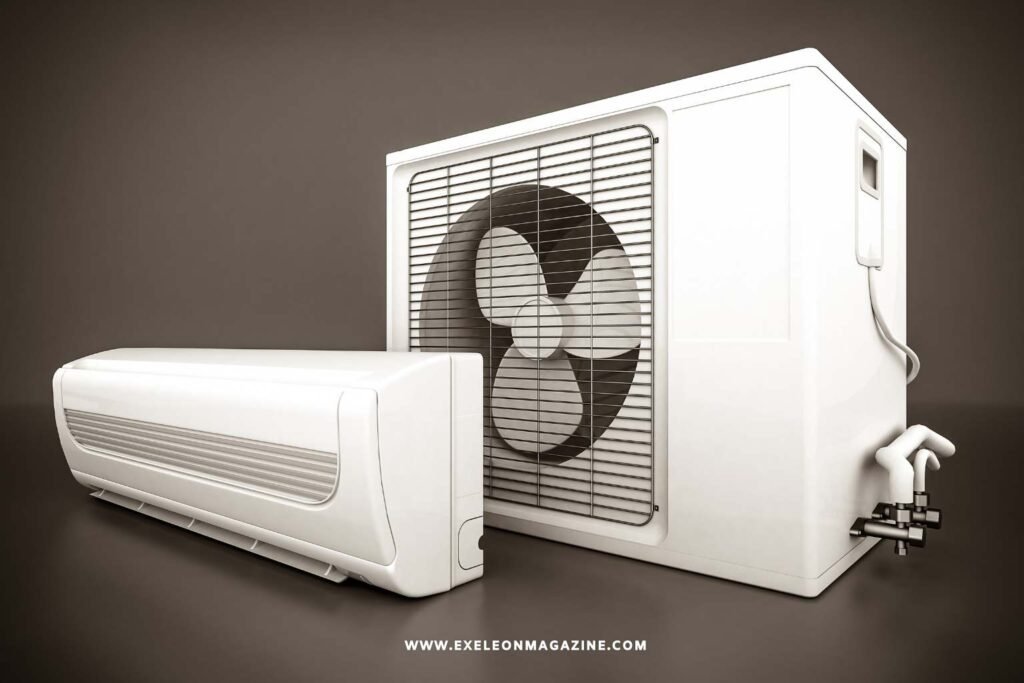
Roof-mounted units are the most common and free up interior space, though they add weight up high. Under-bunk units keep the roofline clean and may sound quieter overhead, but they use storage space. Portable units are flexible and need no roof cutting, though they take floor room and must vent through a window.
If you are retrofitting a rooftop unit, opening size matters. Many models are designed for either 360 x 360 mm or 400 x 400 mm roof cut-outs, and changing an existing hole adds labour. Some models allow more flexibility. For example, published specs list the Truma Aventa Comfort as fitting either a 380 x 350 mm or 400 x 400 mm cut-out.
Noise and airflow basics
Airflow, usually shown in cubic metres per hour, tells you how much air a unit moves. Compare the m3/h figures on spec sheets and read any noise information the maker provides. For a mobile office, a quieter unit you can run during calls may matter more than peak cooling output.
Step 3: Plan power for off-grid workdays
Inverter and battery sizing
Running an caravan air conditioners while parked off grid takes serious power. A typical setup pairs a 2 to 3 kW inverter with a substantial lithium battery bank. One vendor estimate suggests around 400 to 800 Ah of lithium capacity to run a typical 13,500 BTU RV air conditioner for about eight hours overnight, depending on conditions. Treat that as a planning range, not a guarantee, since heat, insulation, and unit efficiency all change the result.
Generators and soft starters
Air conditioners draw a large surge of current when the compressor starts. A soft starter can reduce that inrush, which may let a smaller generator handle startup. It does not reduce the continuous running watts. Your battery bank or generator still has to supply steady power for as long as the unit runs, so size the system for the running load as well as the surge.
Shortlist and compare popular options
Dometic FreshJet FJZ series
Recent retailer comparisons list the Dometic FreshJet FJZ Plus at up to 4.0 kW cooling capacity with a cooling current draw around 7.8 A. The FJZ Pro variant is often shown at roughly 3.4 kW, with cooling power consumption near 1,488 W in retailer specs. Retailer materials state that newer FJZ models use R32 refrigerant. Confirm current figures on the product page before buying.
Truma Aventa Comfort
The Truma Aventa Comfort carries a 2.4 kW cooling rating with a brief startup current of about 28 A lasting roughly 150 ms at 230 V. Its compact size and flexible cut-out options can suit small to mid-size vans where a lower running draw is useful.
myCOOLMAN 3 kW rooftop AC
The myCOOLMAN 3 kW rooftop unit lists 3000 W cooling capacity, 1200 W cooling input power, and a rated cooling input current of 5.5 A. The product page specifies R410a refrigerant and compatibility with 360 x 360 mm or 400 x 400 mm roof cut-outs, which suits many common retrofits.
Step 4: Buy online with confidence in Australia
A simple pre-purchase checklist
Before you add anything to a cart, confirm the details that decide whether a unit will fit and run in your van:
- Roof cut-out size and supported roof thickness range
- Unit weight, since rooftop mass affects handling and height
- Refrigerant type and cooling capacity in kW
- Running current draw and airflow in m3/h
- Warranty length and Australian support
Retailers often note that electrical connection must be completed by a licensed electrician to Australian standards, so include installation in your plan and budget.
Where to shop
Once you have confirmed capacity, roof cut-out size, and power needs, a retailer collection page can help you browse caravan aircons online and compare current availability for Australian conditions. Use it as a starting point for listed specifications, not proof that a unit will suit every van. Installation and final suitability still need to be checked separately.
When you read vendor claims, note who is making them and do not treat marketing language as independent testing. Specifications matter more than adjectives. If a figure is central to your decision, cross-check it against the manufacturer page and, where possible, ask an installer familiar with your van type.
Why install quality matters as much as the model
Choosing the right unit is only part of the job. A capable air conditioner that is poorly fitted can leak, rattle, or underperform, while a modest unit installed well can serve you for years. This is also true in larger cooling systems. This overview of rooftop package units for businesses is a useful reminder that installation, sealing, and maintenance often shape long-term results as much as the model on the spec sheet.
Step 5: Install safely and stay compliant
Use a licensed installer
In Australia, the electrical side of a caravan air conditioner should be connected by a licensed electrician working to the relevant standards. Retailers commonly reference AS/NZS 3000 and AS/NZS 3001. This protects your warranty and, more importantly, your safety when running mains or inverter power in a small space.
Simple maintenance habits
A little upkeep keeps performance steady. Clean or replace filters on a regular schedule, clear debris from the roof unit, and check seals and airflow now and then. These small habits help the unit run efficiently and last longer.
Budget and timing tips for mobile workers
Plan the cooling system as its own line in your budget. A basic professional mobile office budget for a laptop, phone, headset, and cloud software may not include the air conditioner, inverter, batteries, installation, or generator support. If you expect to work through real heat, prioritise cooling and the power system that supports it, then add non-essential extras later.
Conclusion
Buying a caravan air conditioners does not need to be stressful. Match the cooling output to your van size and climate, choose a unit type that suits your layout, and build a power plan that covers both startup surge and steady running load. Confirm fit and compliance details before you buy, and use a licensed installer for electrical work.
Do that, and your van becomes a place you can actually work from, whether you are parked near the coast or deep inland. A calm, cool cabin is a practical advantage that keeps your workdays more productive across Australia.
FAQs
Can I run cooling off the grid?
Yes, if your inverter and battery bank are sized for startup and running loads.
Is roof mounting always best?
No. It saves interior space, but under-bunk or portable units can suit some layouts.
Who should connect the wiring?
Use a licensed electrician working to Australian standards.
How do I keep it working well?
Clean filters, clear roof debris, and check seals regularly.