A normal weekday at home can ask a lot from the same rooms. You might take a video call in the morning, settle into quiet work after lunch, then sit outside with family once the laptop closes. You do not need a full renovation to make a home shift between focus, privacy, and outdoor living. You need a simple three-zone plan you can start over a weekend.
This guide walks through that plan, with practical ideas for Australian households and a few permit notes for readers in Victoria.
Start with a simple plan
Before moving furniture, map the day instead of the floor plan. Write down the activities you repeat most: focused work, calls, small meetings, family time, and time outside. Give each activity a preferred spot and a fallback spot. Then note where light is best, where noise travels, and where power and Wi-Fi are reliable. Workplace research points to the same idea: people value a choice of settings, and one setting does not fit every task.
Create privacy on demand
The trick with privacy at home is getting it when you need it without turning rooms dark or boxed in. Movable and see-through dividers separate activity without cutting off the whole room.
Glass partitions and doors
Glass lets you separate a nook or a call area while keeping daylight moving. Clear glass keeps sightlines open. Frosted or decorative glass adds privacy while still passing light. Sliding doors save floor space, while hinged doors seal a room more fully. For readers in Melbourne exploring how clear or frosted glass can divide design flexible spaces while keeping light, you can find glass office partitions in Melbourne to see common layouts and door options. Treat this as planning inspiration rather than a promise that glass will solve every problem. For sound, mind the gaps: a door sweep and edge seals can reduce how much noise leaks through.
Bring work outside
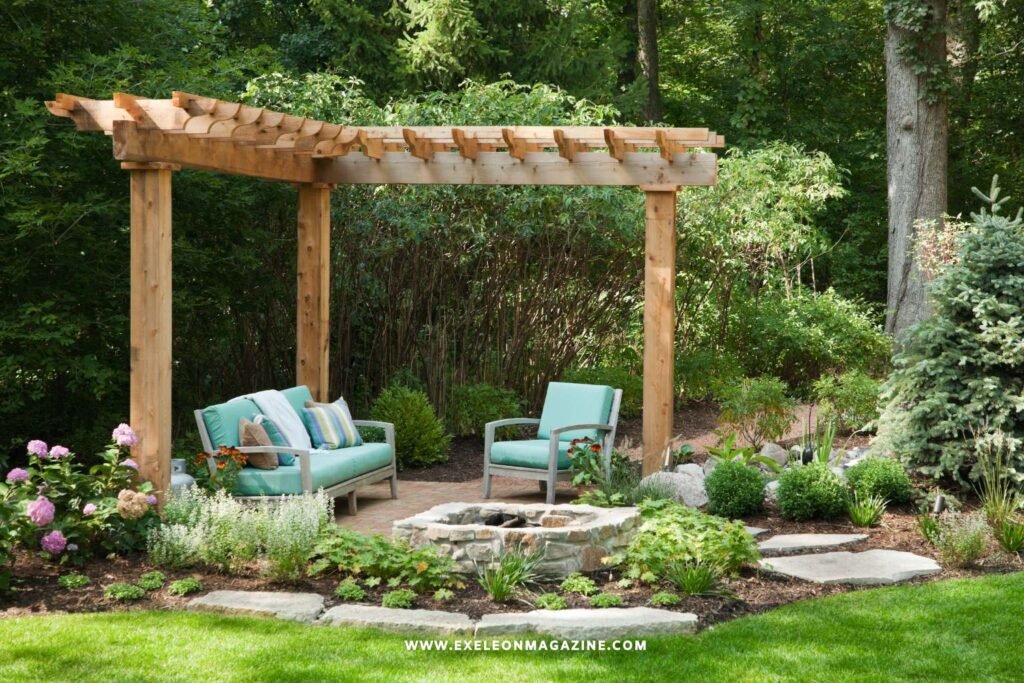
Outdoor design flexible space is the third zone, and it is often underused. A shaded, powered patch outside can double as a reading spot, a casual meeting area, or a change of scene after work.
Comfort outdoors starts with shade. Before you build anything permanent, test the idea with a simple canopy or sail to learn where the sun sits through the day. For practical choices on coverage and materials, this sun shade canopy guide from Vallo is a helpful starting point. Compare styles against the size and exposure of your own space before choosing.
Pergola or verandah in Victoria
Planning and building rules in Australia vary by state and council, so check your local council before you build. In Victoria, terminology matters. A pergola is generally unroofed. Victorian building regulations exempt certain pergolas from a building permit when they are unroofed, no higher than 3.6 metres, no larger than 20 square metres, and within front-setback limits.
Add a roof and the picture changes: in Victoria, a roofed pergola is treated as a verandah, and covering a pergola without the right permit is not allowed. Use the Consumer Affairs Victoria plans-and-permits checklist to confirm what your project needs. If you are comparing open-roof options in Victoria and want a custom build, you can shop custom pergola designs online to see material choices and permit notes for Melbourne and Victoria projects.
A backyard studio for deep focus
If you want real separation between work and home, a backyard studio or pod can act as a dedicated retreat. These are usually insulated, purpose-built rooms placed in the garden. Exploring garden pods and annexes gives you a sense of how much space you can reclaim and the variety of styles available for different budgets and sites.
What a pod adds
A garden studio gives you a door you can close on the workday, which is hard to replicate indoors. A separate space can also reduce daily pack-up and set-up when work, study, and family life share the same house. Compare installation choices against your skills, budget, and site access before you commit.
Permits still apply. Victoria’s reforms exempt a small second dwelling of 60 square metres or less from needing a planning permit in most residential and rural zones when conditions are met. Those reforms connect to Amendment VC282, effective September 8, 2025, which updated Clause 54 to streamline assessments. Confirm current requirements with your council before ordering anything.
Light and sound that work together
Zones only feel good when light and sound cooperate. Layer daylight rather than relying on one bright window, and manage glare with blinds, curtains, or translucent panels. Decorative glazing can keep daylight while softening direct sightlines. For sound, rugs, curtains, upholstered furniture, and full bookshelves absorb echo and calm a busy room without building work. Combining these core elements with the right tools and home office setup helps you shift your space throughout the day.
Quick checklist (printable)
- Measure your main room and note where light is best.
- Mark where noise travels most through the day.
- Mock up a quiet corner with a curtain before committing.
- Add a door sweep and edge seals to reduce noise leaks.
- Test a shade or canopy outdoors to find the best spot.
- Check your local council rules before building any structure.
If a separate garden workspace is still on your shortlist after the checklist, you can find the best backyard office solutions and compare that option with your site, budget, and local council advice.
Conclusion
You do not have to remodel a whole house to make it adaptable. Start with the three-zone idea: shape interiors with movable glass and furniture, add privacy when needed, and extend comfortable living outdoors. Pick the smallest useful change first, then confirm any structural project with your local authority so your changes are livable and above board.
FAQs
How do glass partitions protect privacy at home?
Glass partitions divide a space while keeping daylight moving through it. Clear glass keeps a room feeling open, while frosted or decorative glass blocks direct sightlines and still passes light. Sliding or hinged doors add another layer when you want to close off a nook. For sound, pair the glass with seals or a door sweep.
What should I ask my council before adding an outdoor structure?
Ask whether your project needs a building permit, a planning permit, or both, and what height, size, and setback limits apply. Rules vary by state and council, so confirm details for your address rather than relying on general advice.
What small second-dwelling rules should I read if I live in Victoria?
Look into Victoria’s small second dwelling changes, which exempt a dwelling of 60 square metres or less from needing a planning permit in most residential and rural zones when conditions are met. Check the current wording, including Amendment VC282 and Clause 54, with your council before committing to a build.
How can renters create temporary privacy without building?
Renters can lean on movable and reversible options. Freestanding screens, tension-rod curtains, bookshelves, and rugs can carve out quieter zones without construction. A curtained corner with soft furnishings can create a calm focus spot and come down when you move out.