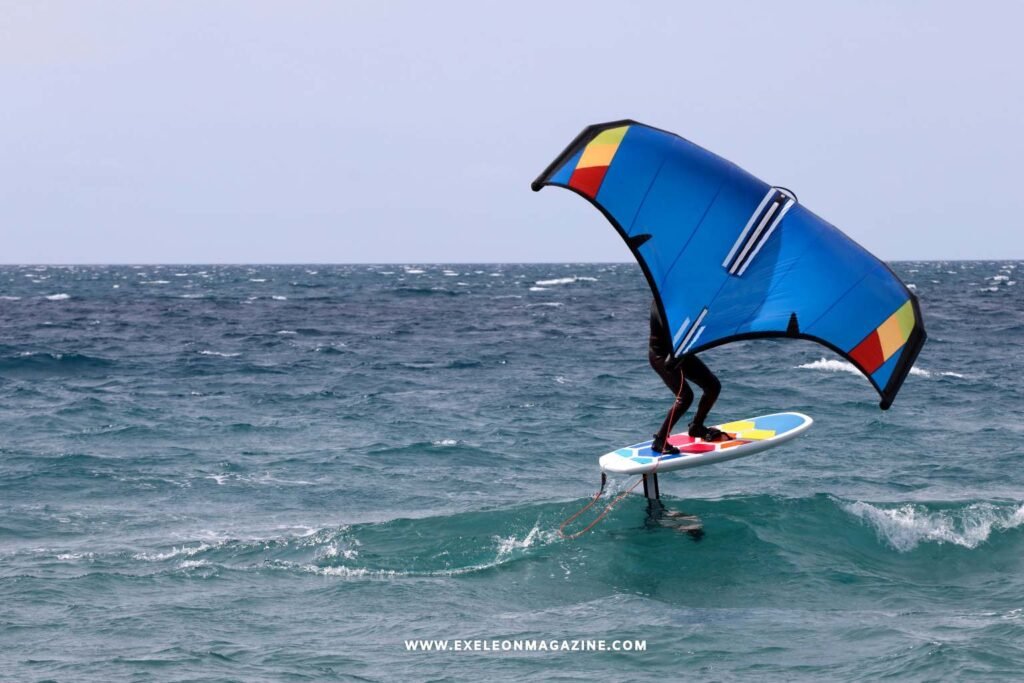
Watching someone glide silently above the water, seemingly floating without a wake trailing behind them, is what pulls most people into foiling in the first place. It looks almost impossible, a little bit like magic, and more than a little intimidating for anyone who’s never tried it themselves before that first attempt.
The good news is that foiling is more learnable than it looks from shore, though it does come with its own genuine learning curve that’s worth understanding before your very first session out on the water with the gear.
Knowing what to expect ahead of time tends to make that first session far less discouraging, since a lot of the frustration people feel comes from assuming they should already be better than they actually are on day one.
It’s Not Quite Like Anything Else You’ve Tried
Even people with years of surfing or paddleboarding experience often find their first few foiling sessions humbling in a way they didn’t fully expect going in. The sensation of balancing on a wing suspended below the water surface, rather than a solid board resting on top of it, requires a completely different kind of feel, timing, and patience to get right over time.
Expect to fall. A lot, and probably more than you’d like in those first sessions out there. That’s completely normal, and pretty much everyone who’s good at it now went through the exact same wobbly, frustrating early sessions before things finally started clicking into place for them too.
It also uses a different set of muscles than most people expect, particularly through the core and legs, so it’s common to feel surprisingly sore after even a short first session on the water.
That soreness is actually a decent sign, in a strange way, since it usually means the body is engaging the right muscles to hold that unfamiliar balance, even if the actual riding time was pretty short.
Choosing the Right Setup Changes Everything
Not all equipment is built the same, and beginners in particular benefit enormously from starting with the right size and style of gear rather than whatever looks the coolest hanging on the rack at the shop. A larger, more stable wing setup makes the early learning process dramatically less frustrating than jumping straight to advanced gear built for speed and tight, aggressive turns.
Talking to people at a local shop who actually understand the differences between setups tends to save beginners from buying the wrong foil board and getting discouraged during those first few sessions, when confidence is already fragile and every fall feels like a bigger setback than it really is.
Conditions matter just as much as the equipment itself when you’re getting started. Calm, flat water with a bit of consistent push, whether from a boat wake or gentle waves rolling in, gives beginners the easiest possible environment to start building a real feel for the balance involved.
Patience Pays Off Faster Than You’d Expect
Most people who stick with it report a noticeable breakthrough somewhere in their first several sessions, where the wobbling suddenly gives way to a few real seconds of that smooth, floating feeling everyone’s chasing in the first place when they start out. It rarely happens on the very first try, but it tends to happen faster than the initial frustration might otherwise suggest to a discouraged beginner.
Taking a lesson or getting some hands-on guidance early on tends to shortcut a lot of the trial and error that beginners otherwise have to work through completely on their own, often over many more sessions than would otherwise be necessary.
It’s worth remembering that even a rough first session still counts as progress. Every fall teaches the body something about balance that no amount of watching videos beforehand can substitute for.
Foiling rewards patience more than raw athleticism, which is part of why people of very different fitness levels end up loving it once they get past the initial learning curve together with friends or family. Starting with the right gear and realistic expectations makes that curve a lot less steep than it looks from the shore, watching someone else glide silently by.
Anyone genuinely curious about trying it is usually better off just getting out on the water and giving it an honest attempt rather than watching one more video first, since no amount of preparation beforehand replaces that first real feel of the wing beneath the surface. Booking that first lesson, or borrowing gear from a friend for an afternoon, tends to teach more in an hour than weeks of research ever could on its own.
The learning curve feels steep at first glance, but it flattens out faster than most newcomers expect once they’ve actually spent a little real time out on the water instead of just imagining what it might feel like from the safety of dry land, watching other riders glide by from the shoreline, wondering if that kind of balance is even possible to learn at all without years of natural athletic talent behind it, when in reality plenty of ordinary people pick it up just fine with a little patience and a handful of honest attempts spread out over a few relaxed sessions on the water.