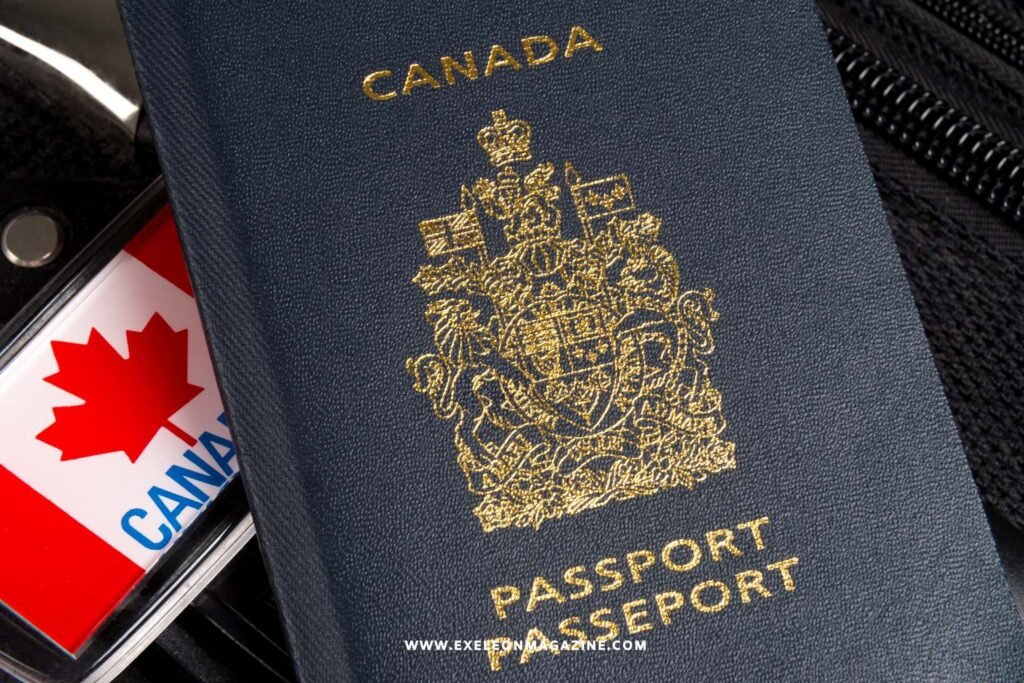
Canadian citizenship by descent allows some people born outside Canada to become citizens because a parent was Canadian. For many families, it helps maintain a connection with Canada across generations. However, eligibility depends on when a person was born, how the Canadian parent obtained citizenship, and whether that parent had a meaningful connection to Canada.
What Changed Under the New Rules?
Canada’s previous law generally limited citizenship by descent to the first generation born outside the country. A Canadian citizen born abroad often could not pass citizenship to a child who was also born abroad. This restriction created difficult situations for Canadian families living overseas.
Bill C-3 changed this system and took effect on December 15, 2025. The law removes the first-generation limit in certain cases and restores citizenship to many people excluded by older rules. It also introduces a connection requirement for future generations born abroad.
Who May Qualify Automatically?
People born outside Canada before December 15, 2025, may now be citizens if they had a Canadian parent when they were born but were excluded because of the first-generation limit. This may include later-generation descendants born abroad and some descendants of people known as “Lost Canadians.”
Citizenship may be automatic, but a person still needs official proof. A citizenship certificate confirms status and can support applications for a Canadian passport, Social Insurance Number, jobs, or other services.
Rules for People Born After December 15, 2025
Different requirements apply to children born abroad on or after December 15, 2025. If the Canadian parent was also born outside Canada, that parent generally must have spent at least 1,095 cumulative days physically present in Canada before the child’s birth.
The 1,095 days do not need to be continuous. Time spent in Canada during separate periods can be added together. This rule shows that the parent has a substantial connection to Canada before passing citizenship to another generation born abroad.
What If the Canadian Parent Was Born in Canada?
The situation is usually simpler when someone was born abroad to a parent who was born in Canada or became a naturalized Canadian before the child’s birth. In many cases, the child is already a citizen by descent. Still, each case depends on the law in effect at the time and the family’s history.
A parent who became Canadian after the child was born generally does not make that child an automatic citizen. The child may need another citizenship or immigration process.
How to Apply for Proof of Citizenship
People who believe they qualify should apply for Canadian citizenship by descent by requesting a citizenship certificate from Immigration, Refugees and Citizenship Canada. Technically, eligible applicants are usually asking for proof of existing citizenship rather than applying to become citizens through naturalization.
Applicants must provide reliable documents connecting each generation. These may include birth certificates, citizenship certificates, Canadian birth records, marriage records, adoption papers, and legal name-change documents. The records should clearly show the relationship between the applicant and the relevant Canadian parent, grandparent, or ancestor.
Applications may be submitted online in eligible cases or on paper. Missing or inconsistent records can delay a decision, so applicants should follow the current document checklist carefully.
What About Children Adopted Abroad?
Citizenship rules for international adoption differ from those for biological children. A child adopted outside Canada is not always automatically Canadian. Depending on the adoption date and the parent’s circumstances, the family may need to request a direct grant of citizenship.
Under the new framework, a Canadian parent who was also born or adopted abroad may need to prove at least 1,095 days of physical presence in Canada before the adoption.
Final Thoughts
Canada’s new citizenship-by-descent rules offer opportunities to families previously excluded. Still, eligibility may involve several generations, historical laws, and detailed records. Start by checking whether your parent was Canadian when you were born, your birth date, and where each generation was born.
Because citizenship status affects passports, travel, employment, and family rights, rely on current government guidance. When a family history is complicated or documents are missing, professional legal advice may also be useful before submitting any citizenship certificate application.