Hair loss is a concern that affects millions of people worldwide, creating a demand for effective solutions that address this issue. Advances in science and technology have introduced new approaches to tackling hair loss, offering hope to those seeking healthier, fuller hair. This article explores the causes of hair loss, how to prevent hair loss, and what modern treatments can achieve for individuals struggling with this condition.
Understanding Hair Loss Causes
Before considering treatment options, it is essential to understand the root causes of hair loss. This issue can stem from a variety of factors, including genetics, hormonal imbalances, stress, or medical conditions. Androgenetic alopecia, often referred to as male or female pattern baldness, is the most common form of hair loss, influenced largely by genetic predisposition.
Lifestyle factors also play a significant role. Poor diet, lack of proper hair care, and exposure to harmful chemicals can weaken hair follicles over time. Additionally, medical conditions such as alopecia areata or thyroid disorders may trigger hair loss. Identifying the underlying causes is a critical step toward finding effective hair loss treatment methods.
Modern Approaches to Hair Loss Treatment
Contemporary hair loss treatment options aim to address both the symptoms and the causes of hair thinning. From topical solutions to advanced medical procedures, these methods provide a variety of options tailored to individual needs.
Topical Treatments
Minoxidil is one of the most widely recognized over-the-counter treatments for hair loss. It works by stimulating hair follicles and improving blood flow to the scalp, encouraging hair growth. Another topical solution, finasteride, is available by prescription and focuses on blocking the hormone DHT, a primary contributor to androgenetic alopecia.
Natural remedies are also gaining attention. Products containing ingredients like saw palmetto, biotin, or essential oils may offer a gentler approach to hair care. While these options may not be as potent as pharmaceutical solutions, they appeal to those seeking how to stop hair loss and regrow hair naturally.
Non-Invasive Procedures
Low-level laser therapy (LLLT) has emerged as a promising option for those seeking non-invasive hair loss treatment. This method uses laser devices to stimulate hair follicles, promoting growth while reducing inflammation. Many people find LLLT convenient since it can be performed at home with FDA-cleared devices.
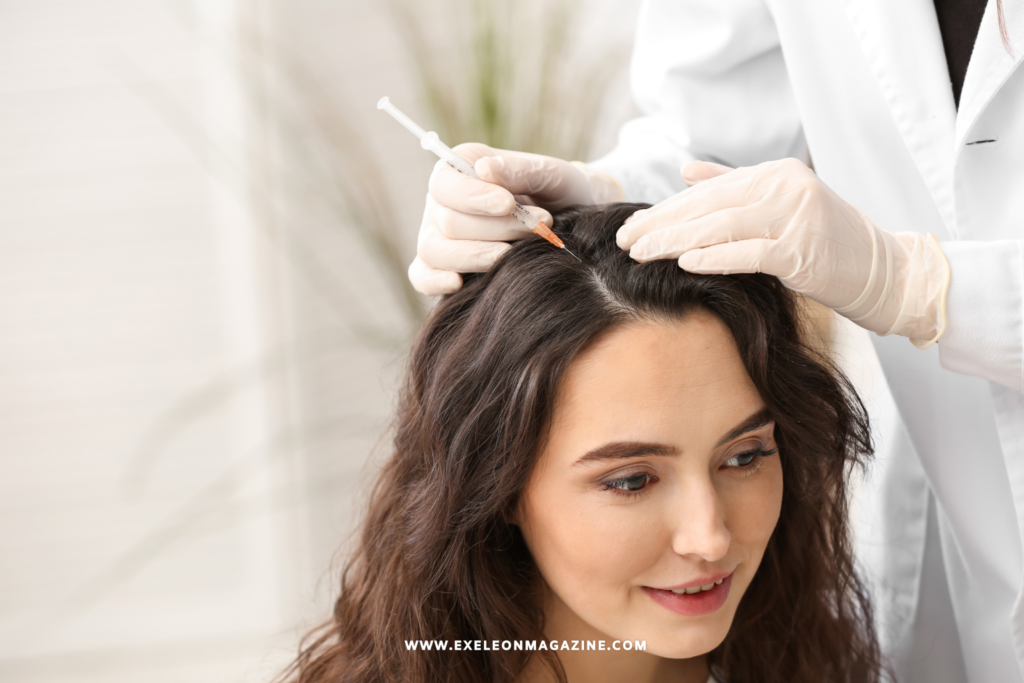
Platelet-rich plasma (PRP) therapy is another technique gaining popularity. This procedure involves injecting a concentrated dose of platelets from the patient’s blood into the scalp, encouraging healing and hair growth. Though it requires a series of sessions, many patients report noticeable improvements.
Surgical Solutions
For individuals with significant hair loss, surgical interventions like hair transplantation may offer a long-term solution. Techniques such as Follicular Unit Extraction (FUE) and Follicular Unit Transplantation (FUT) allow surgeons to relocate healthy hair follicles to areas affected by thinning or baldness. These procedures provide natural-looking results and have become less invasive over time.
How to Prevent Hair Loss
Prevention is a key component in managing hair health. A well-balanced diet rich in vitamins and minerals supports the scalp and hair follicles, ensuring they remain strong and resilient. Foods high in iron, zinc, and protein are particularly beneficial.
Stress management is also critical. Chronic stress can accelerate hair loss by disrupting the normal growth cycle of hair. Incorporating relaxation techniques like yoga or mindfulness can improve overall well-being and reduce stress-related hair thinning.
Proper hair care is another essential factor in preventing hair loss. Gentle cleansing and conditioning help maintain scalp health, while avoiding harsh styling products and excessive heat can reduce damage to the hair shaft. For those wondering how to prevent hair loss, adopting these habits early can make a significant difference.
Combining Natural and Medical Approaches
For many individuals, the best way to address hair loss involves combining natural and medical methods. For example, incorporating scalp massages with natural oils alongside prescribed treatments like minoxidil can enhance blood flow and improve overall results. This approach also appeals to those looking for how to stop hair loss and regrow hair naturally without relying solely on medication.
Modern technologies continue to bridge the gap between traditional remedies and cutting-edge solutions. Innovations like AI-driven diagnostic tools and customized treatment plans allow for a more personalized approach to hair loss treatment. These advancements ensure that patients receive solutions tailored to their unique circumstances.
What the Future Holds
The field of hair restoration is constantly evolving, with researchers exploring new ways to address hair loss causes effectively. Recent studies suggest the potential for stem cell therapies to regenerate hair follicles and improve growth rates. Similarly, advancements in gene editing and molecular biology could pave the way for more targeted treatments in the years to come.
For now, individuals experiencing hair thinning or baldness have access to a wide array of treatments designed to suit various needs and preferences. Whether through topical applications, advanced therapies, or lifestyle changes, solutions exist to support those seeking healthier hair.
Hair loss can be a challenging issue, but understanding its causes and exploring modern treatment options provide a path forward. By addressing the underlying factors and considering both natural and medical methods, individuals can achieve noticeable improvements in hair health. Staying informed and proactive is key to managing hair loss and maintaining confidence in the process.