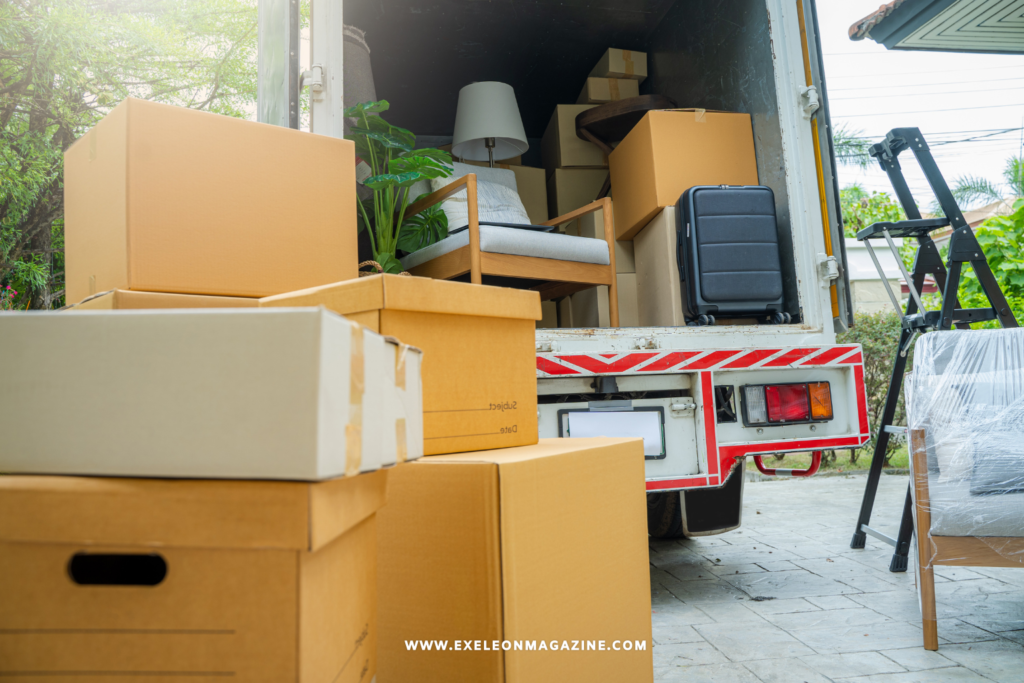
Moving to Houston is easier when you know what to handle before and shortly after you arrive. You’ll need to think beyond rent and moving boxes. Your first few weeks may involve a lease agreement, a security deposit, flood disclosure, utility accounts, electricity plans, vehicle registration, and a Texas driver’s license.
You’ll also need housing that works for your daily routine. A place can look affordable on paper, but cost you in gas, rideshares, tolls, parking, and time if it’s too far from work, school, grocery stores, or the services you use every week. A smooth relocation is achievable when you know the deadlines for relevant Texas requirements, already have an apartment or room lined up, and get housing terms in writing before you pay.
Rule 1: Check the Distance From the Apartment to Essential Services
Before you choose an apartment or room, check the distance to the places you’ll use often. That includes your workplace, school, grocery store, pharmacy, bus stop, doctor’s office, gym, and any family or friends you expect to visit. Houston is wide, and a ten-mile difference can affect your commute, fuel costs, and daily schedule.
Don’t judge a listing by rent alone. A room may be cheap to rent, but you may end up paying more in the long run for gas, rideshares, tolls, or parking because of its location. If you don’t drive, check public transit routes. If you do drive, check parking availability, traffic patterns, and the commute time during rush hour.
Rule 2: Ask for the Lease Agreement Before You Pay a Deposit
Ask for the lease agreement so you can review it before paying a rent deposit, application fee, holding fee, or first month’s rent. The agreement should name the landlord, the tenant, the address, the lease term, the rent amount, the due date, late fees, security deposit amount, repair process, move-in date, move-out notice period, and any charges that may be deducted when you leave.
Among other things, check the timeframe for the return of your security deposit. Texas renters should know that a landlord must return the deposit within 30 days after the tenant moves out and provides a forwarding address, minus lawful deductions. If the landlord keeps part or all of the deposit, the landlord must provide an itemized list of deductions.
If you’re renting a room, don’t rely on a verbal explanation from the person already living there. Ask whose name is on the lease, whether subletting is allowed, how rent is paid, how utilities are divided, and what happens if one roommate moves out early. Get those details in writing before money changes hands.
Rule 3: Use a Roommate Search Tool to Find Shared Housing Options Safely
If you’re moving into shared housing, your roommate choice can affect your rent, bills, sleep, privacy, and day-to-day comfort. Before you agree to live with someone, ask how rent is split, when it’s due, how electricity and internet are paid, how cleaning is handled, and what the rules are for guests, pets, smoking, noise, parking, and shared supplies.
If you’re open to shared housing, use SpareRoom to compare available rooms and the people offering them before you commit. When finding a roommate in Houston TX, start with important questions: where the room is, how much the full monthly cost will be, whose name is on the lease, how bills are split, and what rules already exist in the home.
Before you move in, ask to see the room by video or in person. Confirm who lives in the home, which room is yours, which areas are shared, and what furniture or appliances are included. If the person offering the room refuses basic questions about rent, lease terms, bills, or access to the property, treat that as a reason to pause. SpareRoom can help you find options, but you still need clear answers before you pay.
Rule 4: Ask About the Property’s Risk of Flooding Before You Sign
Before signing a lease in Houston, ask about the property’s flood history and floodplain status. Texas landlords are required to disclose if they know the dwelling is in a 100-year floodplain or if the dwelling has flooded within the previous five years. The point is simple: the landlord has to disclose certain flood-related information before or when you enter the lease.
You should still do your own checks. Search the address, ask what happened during previous storms, and find out where residents usually park during heavy rain. If the apartment is on the ground floor, ask about drainage around the building, entry points, and past water intrusion.
Rule 5: Register Your Car and Update Your License Early
If you move to Texas with a vehicle from another state, handle your paperwork early. New Texas residents generally have 30 days to register a vehicle. New residents are also required to obtain a Texas driver’s license within 90 days of moving to the state.
Start by checking what documents you need for vehicle registration, title, proof of insurance, inspection, and your driver’s license appointment. Don’t wait until your old documents are close to expiring. Appointment delays, missing proof of address, or incomplete vehicle paperwork can make the process take longer than expected.
If you’re renting a room or staying temporarily at first, make sure you’ll have acceptable proof of Texas residency.
Rule 6: Set Up Utilities Before Move-In Day
The process you’ll follow to set up utilities depends on the type of property you rented and your address. In some rentals, the landlord or property manager may handle water and trash. In others, you may need to open an account yourself. The City of Houston allows residential customers to start or move in water service online, so check the address and ask the landlord what you’re responsible for before move-in day.
Regarding electricity, many Texas customers choose from retail electric providers. That means you may need to compare plans for your ZIP code instead of calling one local electric company. Review contract length, price structure, usage fees, cancellation fees, and the estimated bill at different usage levels before choosing a plan.
If you’re moving into shared housing, ask whose name is on each utility account. Confirm how electricity, water, gas, and internet will be divided. Also, ask when bills are due, how proof of payment is shared, and what happens if someone uses far more electricity than the others. These answers should be clear before the first bill arrives.
Conclusion
If you’re new to Houston, you’ll have a much easier time settling in if you do a few things early. Check how far the apartment or room is from the places you’ll use often. Review the lease agreement before paying a deposit. Ask direct questions before choosing a roommate. Confirm the property’s risk of flooding. Handle your vehicle and license deadlines. Set up water and electricity before move-in day.
Houston gives new residents plenty of options, but your first weeks will be smoother when the paperwork, housing terms, utilities, and daily logistics are already under control.