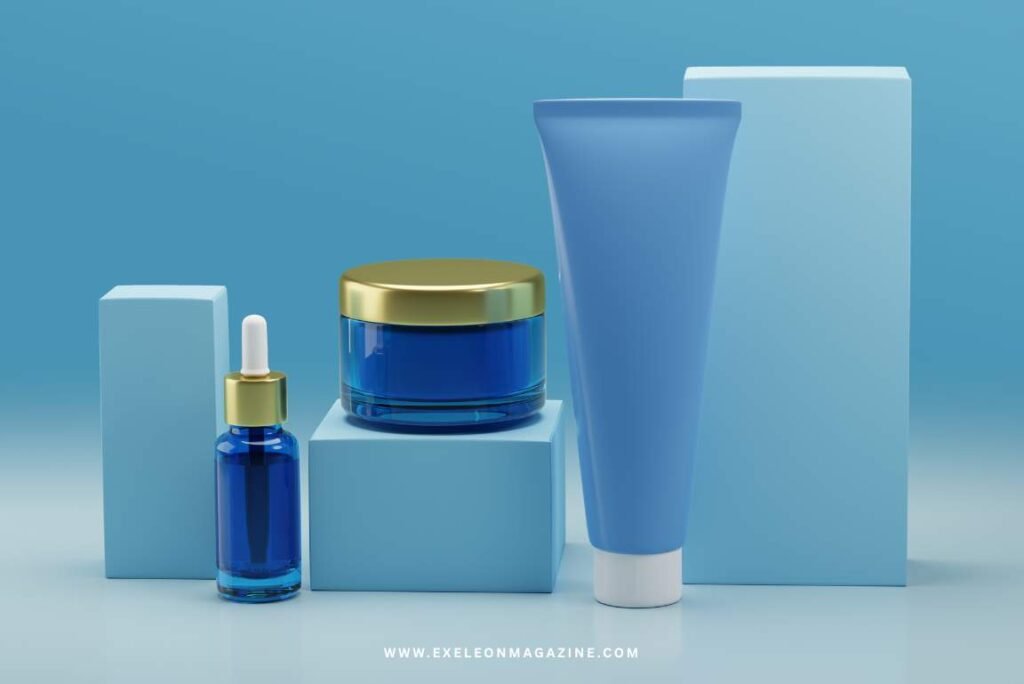
Founders building skincare brands in 2026 face a paradox. The cost to formulate a high-quality serum or moisturizer has never been lower. Access to premium contract manufacturers, open-source cosmetic chemistry databases, and ingredient suppliers willing to work at small minimums has democratized formulation to the point where the formula itself is no longer a meaningful competitive moat.
The moat, today, is perception. And perception in beauty begins — and often ends — with packaging.
This is not a packaging design opinion. It is a business reality that the most successful independent skincare founders are building their commercial strategy around. Understanding why, and how to act on it, is one of the clearest advantages available to a brand at any stage of growth.
The Economy of First Impressions
Consumer psychology research has consistently shown that purchase decisions in beauty are made within seconds of first contact — whether that contact happens on a retail shelf, a DTC product page, or a six-second social media video. In that window, the packaging is doing 100% of the selling.
The formula is invisible. The clinical claims are unread. The brand story has not yet been told. What exists in those initial milliseconds is color, weight, silhouette, material quality, and the single packaging design signal — premium or generic — that the container broadcasts before a word is processed.
For founders, this means packaging investment is not a line item in cost-of-goods. It is a marketing budget, compressed into physical form. The brands that treat it as such are consistently the brands winning in prestige retail, gifting, and the high-intent DTC channels that drive meaningful margins.
Two Positioning Strategies, One Principle
The skincare market has bifurcated into two dominant commercial registers, and each demands a different packaging vocabulary — but the same underlying principle.
The first is sensory luxury: botanical, prestige, ritual-driven. The consumer in this segment buys texture, ceremony, and an aesthetic identity that feels as curated as their wardrobe. Brands competing here need packaging that communicates warmth, heritage, and considered craft — thick-base glass, Pantone-calibrated color stories, typographic systems that feel like they were designed by hand.
Jarsking’s PÉTALE luxury skincare packaging concept is a masterclass in executing this register. Built on a five-SKU collection anchored by thick-base glass vessels in a four-tone Damask rose palette, PÉTALE demonstrates how a complete brand architecture — from the logotype to the keepsake gift box — can be developed as a single coherent design system rather than assembled from separate decisions. It is the difference between a brand that looks curated and one that actually is.
The second register is clinical credibility: science-led, evidence-forward, precision-positioned. The consumer here is a different kind of sophisticated — they cross-reference ingredients with dermatology research, they distrust theatrical beauty aesthetics, and they reward packaging that communicates restraint, precision, and medical intelligence.
Both registers require the same strategic discipline: intentionality at every physical touchpoint, from primary packaging to secondary box to the quality of light the bottle photographs in. What changes is the vocabulary, not the principle.
Why the System Matters More Than the Bottle
One of the most consistent mistakes early-stage skincare founders make is solving packaging at the SKU level rather than the system level. They select a beautiful jar for their hero moisturizer, then source a mismatched pump bottle for their serum, then add a cleanser in a format that happens to be available in their supplier’s catalog.
The result is a product line that looks like a collection of individual decisions rather than a brand. And in a retail environment — whether that is a Sephora gondola, a dermatology clinic counter, or a brand’s own DTC landing page — a coherent system dramatically outperforms a coherent individual product.
This systems thinking is exactly what separates clinical skincare brands that scale from those that plateau. The DERMIS//01 clinical skincare packaging system by Jarsking illustrates this with precision: five SKUs built on a shared oblong capsule glass platform, each graduated in height to create architectural coherence on a bathroom shelf or clinic counter, with a unified frosted-glass-and-warm-graphite material story that communicates clinical rigor without sacrificing premium shelf presence.
The commercial logic is direct: when a brand sells a sequenced protocol rather than five standalone products, average order value rises, repurchase is structurally embedded, and the full lineup becomes a single, photogenic brand object that compounds across every content channel. Packaging architecture is product architecture.
The Founder’s Decision Framework
For founders deciding how to allocate early capital, the packaging decision carries disproportionate commercial weight. Three questions clarify the strategic direction:
Who is buying first? The packaging must speak directly to the highest-intent early adopter, not the eventual mass market. A clinical skincare brand whose core buyer is a 35-year-old who reads PubMed before buying a serum needs a radically different design brief than one targeting a 22-year-old discovery-mode buyer on TikTok Shop.
Where is the first dollar of revenue coming from? Prestige retail, DTC, clinic channel, and social commerce each impose different requirements on packaging legibility, shelf impact, and photography performance. A packaging design without channel context will underperform in all of them.
What is the repurchase trigger? Packaging that is beautiful to receive but forgettable to use builds one-time buyers. Packaging that is beautiful to live with — that earns space on a vanity, that photographs well in a flat-lay, that creates a ritual out of a routine — builds customers who come back and bring others.
The Real Competitive Moat
The beauty industry in 2026 is abundant with great formulas and scarce with great brands. The difference between them is almost always packaging — not as decoration, but as strategy.
Founders who understand this early move faster, spend more efficiently, and build brand equity that compounds. Because in a category where the formula is invisible until the jar is opened, the brand that wins is the one that earns the opening.
That work begins with a packaging design brief, not a purchase order. And the founders treating it that way are the ones building the next generation of category-defining skincare companies.