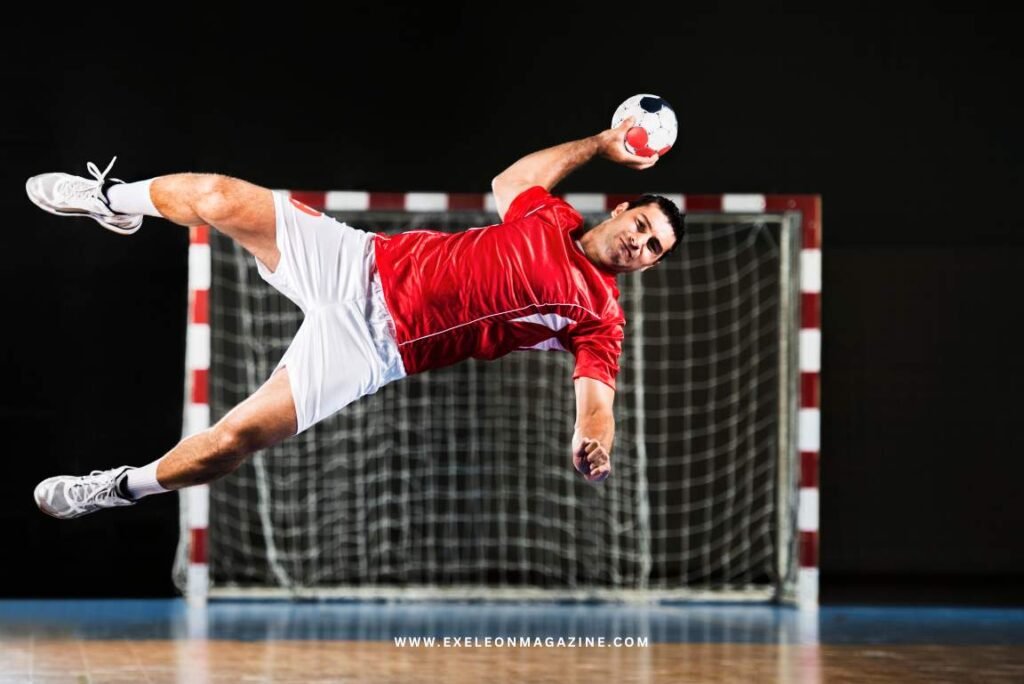
When asked which sport dominates Scandinavia, the answer depends on where you stand. Football is globally larger, easier to export, and more visible in club competitions.
However, handball has its own unique grip on the region. In Denmark, Norway, and Sweden, it often feels more like an everyday sports identity, especially when national teams perform well.
For fans who follow both Nordic football discussions and broader sports culture, kult kasino offers a place to continue the conversation. It fits those moments when the question is not just who won, but why one sport feels louder in one country than in another.
That is exactly what makes the rivalry interesting. Football may be the bigger language, but handball can feel like the stronger local dialect.
Football Has the Advantage of Scale
Football’s biggest strength is obvious: almost everyone understands it. A child can play it with a single ball and two jackets as goalposts. At the professional level, the sport connects Scandinavian clubs to Europe, transfer markets, global stars, and international fan cultures.
In Sweden, Denmark, and Norway, football also has deeply rooted club traditions in many cities. Local derbies, youth systems, and supporter groups keep the sport visible year-round. Even when national teams are not at their best, the club season keeps the conversation alive.
Why Football Is Hard to Beat
Football usually wins in these areas:
- Reach: It connects Scandinavia to the rest of the world.
- Simplicity: The rules are easy to follow.
- Club identity: Local teams can shape communities for decades.
- Player dreams: The path to Europe’s top leagues is clear and appealing.
- Media attention: Transfers, tactics, and major leagues generate constant content.
The last point is especially important. Football never really disappears from the news cycle.
Handball Dominates Indoor Intensity
Handball works differently. It is faster, more compact, and more physically intense in short bursts. The crowd is closer to the action. Goals come quickly. A match can change direction within minutes, making it perfect for tournament drama.
Scandinavia has also been genuinely successful in handball. Success matters because people follow winners. When national teams consistently compete for medals, the sport becomes part of the national atmosphere. Children see a realistic career path. Broadcasting rights attract more investment. Clubs receive more attention.
Handball also fits well with Nordic indoor sports culture. Cold winters, strong local clubs, and school sports programs make indoor activities a natural part of daily life. The sport does not try to imitate football; it has its own rhythm.
So Which One Truly Dominates?
If the question is about global influence, football wins. No Scandinavian handball match reaches the international scale of a major football final. Sponsorships, transfer markets, media visibility, and global recognition all lean toward football.
However, in terms of national emotional value, handball can challenge football at times. A Danish handball final, a successful tournament run by Norway’s women’s team, or Sweden fighting for a medal can dominate public attention in a very local and powerful way.
The honest answer is that Scandinavia does not need a single dominant sport. Football connects the region to the global game. Handball gives it a stronger regional sports identity. One is bigger. The other can feel more personal.