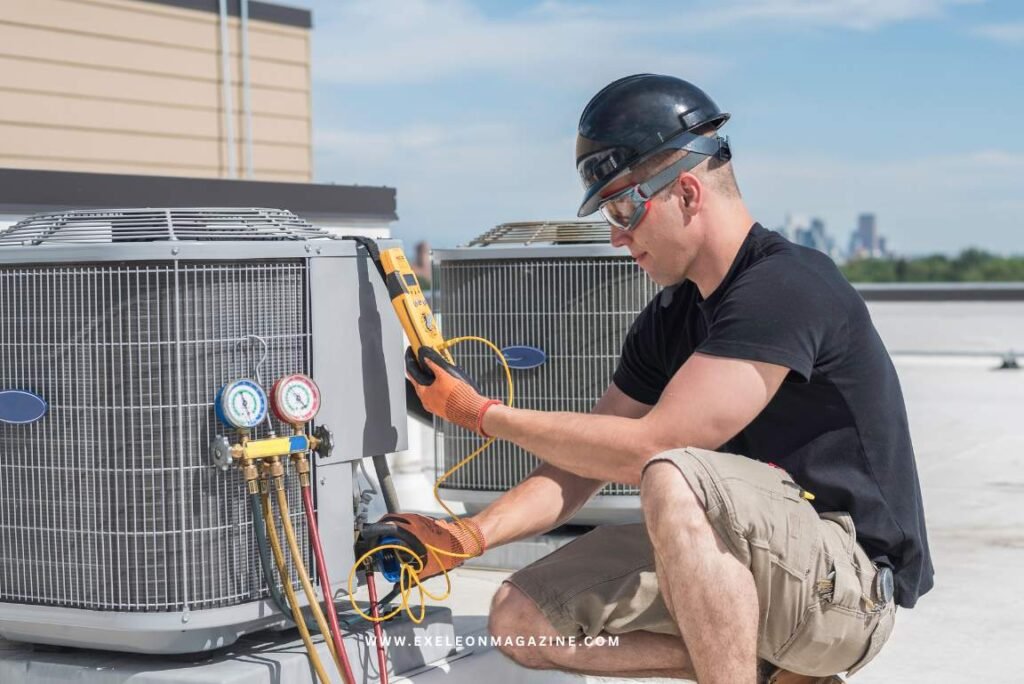
The HVAC maintenance plan system is vital and costly; hence, it is reasonable to incorporate its operation in the regular maintenance of the home. Most people realize the importance once an issue crops up. Usually, people think it’ll save them money only after something goes wrong. It is also prudent to plan maintenance initially and save on expensive future repairs.
This guide will explain the HVAC maintenance plan cost and how seeking regular checkups and maintenance from a Chicago HVAC company can prevent further issues for homeowners and businesses.
What Is an HVAC Maintenance Plans and How Does It Work?
An HVAC maintenance plan means a homeowner gets yearly check-ups and preventive service from an HVAC company, all lined up in advance.
The HVAC maintenance plan cost may consist of:
- Seasonal inspections/tune-ups
- Call service priorities have been introduced.
- Reduction in repair parts/service costs
- Filter replacement recommendations
- Use safety and performance checks
- Cleaning and calibration of the system.
Maintenance plans are designed to ensure that systems meet their full, expected service lives in an efficient and reliable manner, not waiting until equipment fails.
The Real Cost of HVAC Repairs Without Maintenance
Many homeowners opt for skipping maintenance so as to save money on a short-term basis, but it can become costly over time.
Unanticipated HVAC system failures may lead to:
- Emergency repair costs
- Expensive component replacements
- Increased energy consumption
- Reduced indoor comfort
- Premature equipment replacement
If you skip these checks, issues might go unnoticed. The system could fail or get damaged before you know it.
How Preventive Maintenance Reduces Long-Term Expenses
Preventive HVAC plans focus on small fixes to stop bigger issues from arising, keeping everything running smoothly.
How preventive HVAC maintenance plans can cut down on expenses includes:
- Avoiding significant equipment breakdown
- Minimising emergency calls for service
- Lowering repair frequency
- Minimizing downtime
- Protecting expensive components
Recent diagnostics and maintenance technology, including platforms like Astera, are available to many HVAC service providers and can assist with not only diagnostics but also a data-driven maintenance strategy, which can then assist in reducing long-term operating costs.
Energy Efficiency and Lower Utility Bills
The biggest money saver of an HVAC program is better energy efficiency. Regular maintenance keeps parts clean and properly tuned, so systems run smoothly – that’s a fact.
Examples of these maintenance activities that increase efficiency are:
- Housemaid duties on condensing coils, evaporator coils
- Changing or cleaning the filters.
- Checking refrigerant levels
- Calibrating thermostats
- Checking ducting and air circulation
Homeowners discover their bills are going down each month when their equipment is working efficiently. The savings might not seem very large per month, but they can be substantial over the life of the system.
Maintenance Plans vs Pay-As-You-Go Repairs
Pay-As-You-Go HVAC maintenance plans can initially seem more cost-effective, as a service fee is not charged. But it can put homeowners at higher risk for mortgage costs, however.
The advantages of Maintenance Plans are:
- Predictable annual costs
- Increased opportunity for normal operation between significant breaks
- First-class service in the event of seasonal congestion
- Improved system reliability
- Longer equipment lifespan
- Better energy efficiency
For many people, the uniformity and security of a maintenance plan are more valuable than dealing with issues afterwards.
What’s Typically Included in HVAC Maintenance Plans
While most providers will offer different maintenance plans, they will also offer a basic level of services that consists of a combination of services that can keep systems running and in a safe condition.
Some of the common maintenance tasks include:
- Comprehensive system inspections
- Electrical connection checks
- Test and calibration of thermostats.
- Refrigerant level inspections
- Coil cleaning
- Condensate drain cleaning
- Air filter inspections
- Oil lubrication for reciprocating parts.
- Airflow testing
- Safety control verification
Some service providers might also give repair discounts, extend warranties, and prioritize the schedule for maintenance plan customers.
How Maintenance Plans Increase System Lifespan
An HVAC system accounts for over half of a household’s energy consumption. One advantage of having maintenance plans is that they will extend the lifespan of the system. It’s an investment, and the life of HVAC equipment is an issue.
To minimize stress on hardware, maintain airflow, prevent overheating, detect problems early, and keep everything running optimally, A well-maintained HVAC system can last for many years longer than a neglected HVAC system. This can postpone the requirement to spend money on costly equipment replacement and make the most return on the starting investment.
Conclusion
By having their HVAC units set for routine inspections and preventive maintenance, homeowners can save money on repairs, increase their energy efficiency, and extend the life of their HVAC units. A temptation can be to implement a pay-as-you-go philosophy, yet regular servicing can get a lot cheaper than dealing with emergency breakdowns and major repairs.
On the whole, HVAC maintenance plans are valuable investments; they are cost-effective and have the potential to protect one of the most important systems in any building.