Planning a business event can be both exciting and challenging. It’s a chance to create a memorable experience. Whether you’re organizing a conference, seminar, or team-building retreat, focusing on the details is key to success. A well-planned event encourages engagement, learning, and networking. With good planning, you can make sure everything runs smoothly and everyone enjoys the event.
Let’s look at how to make your business event stand out.
Set Clear Objectives
Before jumping into logistics, define clear goals for your event. What do you want to achieve? You might aim to generate leads, boost team collaboration, or launch a new product. Knowing your goals helps you shape every aspect of the event, from choosing speakers to planning activities, ensuring everything aligns with your vision.
Next, understand your audience. Knowing who they are will influence the theme, messaging, and engagement strategies for the event. Decide if you want a formal or a relaxed atmosphere, as tailoring the experience to fit your attendees’ preferences will likely lead to more active participation.
Choose the Right Venue
Selecting the right venue is crucial for your event’s success. A venue that matches your theme and appeals to your audience can greatly improve their experience. Consider accessibility: Is it easy to get to? Is there enough parking or public transport nearby? These factors matter for attendance.
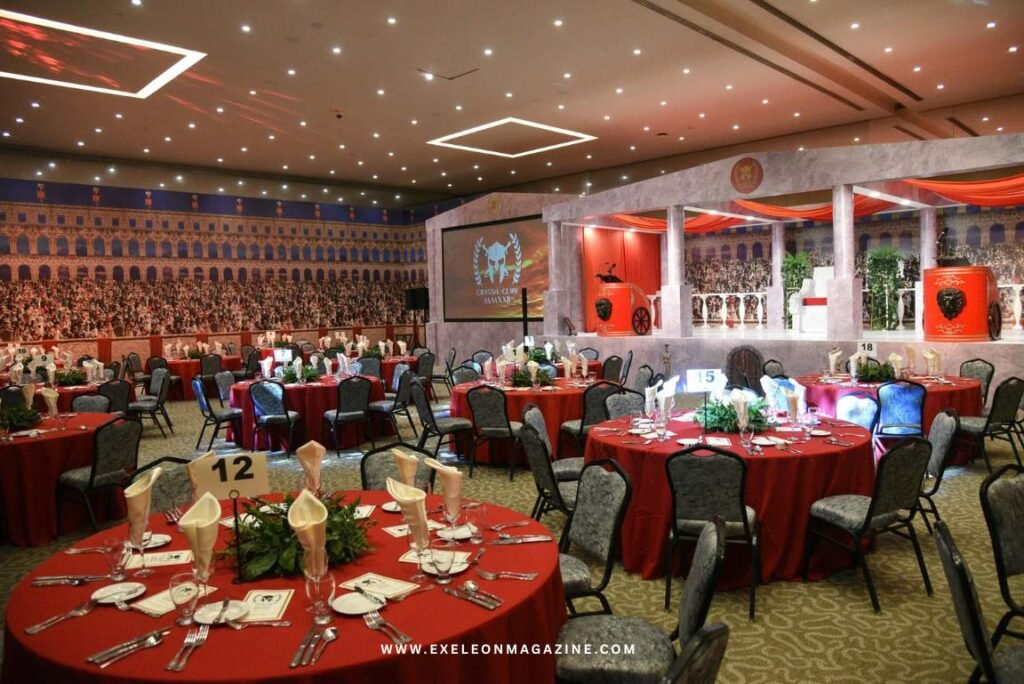
When you find potential venues, check their facilities and layout. Make sure the space can comfortably accommodate your guests. Look for venues that offer flexible seating and necessary technology, like audio-visual equipment and Wi-Fi. The right aesthetic can also enhance the event’s mood.
Consider Event Rentals
Event rentals are key in creating a successful event. Tables, chairs, and decorations can transform an ordinary space into something special. Equipment rentals are a cost-effective option, allowing you to focus on connecting with your guests rather than worrying about upfront costs.
Working with a rental company can simplify logistics. They can provide valuable insight on what works best for different events, helping you choose items that look good and meet your needs. The right rentals ensure you have what you need while creating a professional and cohesive environment.
Utilize Tent Rentals
For outdoor events, tent rentals add versatility and comfort. A tent protects against unpredictable weather while allowing you to enjoy natural surroundings. Whether it’s sunny, rainy, or windy, a good tent can keep your guests comfortable.
Tents come in various sizes and styles, so select one that fits your event’s needs. For networking or activities, open-layout tents encourage movement and interaction. For presentations, choose a larger tent with seating and technology access.
Consider adding accessories like lighting, flooring, or heating/cooling options for more comfort. These features can create a welcoming atmosphere that encourages engagement.
Budget Carefully
Effective budgeting is a key part of event planning. List all expected expenses, including venue costs, speakers, catering, and rentals. A clear budget helps you allocate funds well and avoid any surprises. Remember to factor in hidden costs, like tips or taxes.
As you create your budget, think about areas where you can cut costs without losing quality. You might negotiate with vendors or book during off-peak times for better rates. Being resourceful allows you to make the most of your investment while still providing a great experience.
Engaging Attendees
Creating opportunities for attendee engagement is vital. Events that prioritize networking, collaboration, and feedback often leave a lasting impact. Consider incorporating ice-breaker activities or breakout sessions that allow attendees to participate meaningfully. Providing various engagement platforms encourages connection and interaction among guests.
Remember that communication before and during the event plays a crucial role in keeping attendees informed and excited. Use emails, social media, or event apps to share updates and generate buzz. Well-informed guests tend to be more enthusiastic participants, and that excitement can elevate the whole atmosphere.
If there’s one thing to remember, it’s that planning a business event can be a rewarding venture with a little foresight and attention to detail. Focus on your objectives, choose the right venue and rentals, manage your budget wisely, and create engaging opportunities for your attendees. With these best practices in your toolkit, you’ll be well-equipped to host a memorable business event.