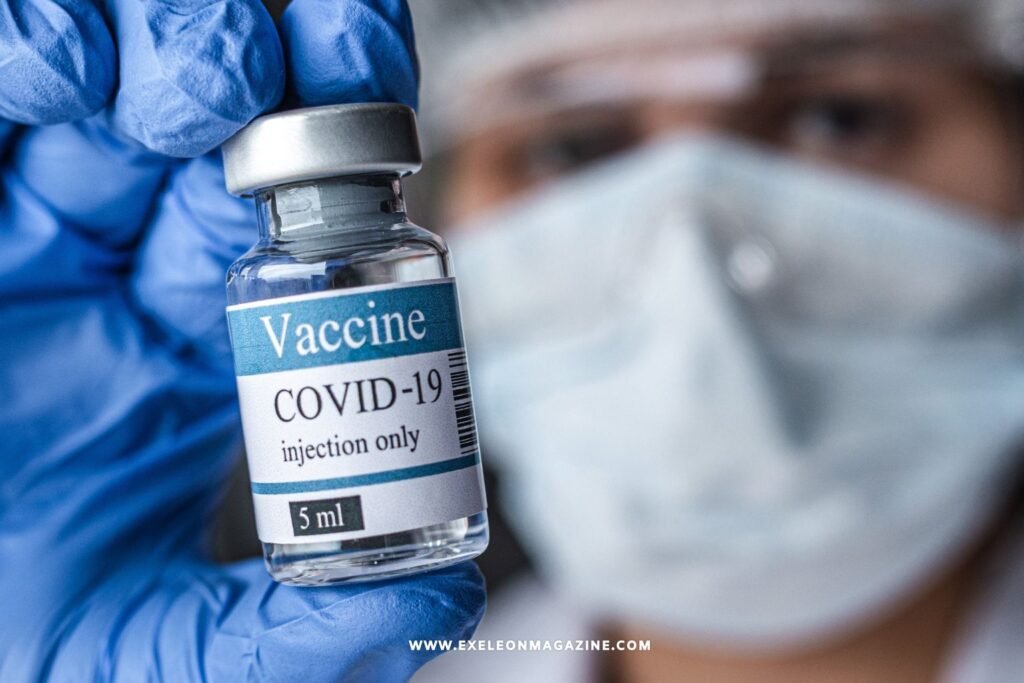
Vaccine innovation breakthroughs rarely come from a single lab or company. Instead, they are the result of deeply interconnected ecosystems made up of specialist organizations, research institutes, and scientific service providers working behind the scenes. These groups handle everything from early-stage virology to global clinical trials, regulatory strategy, and real-world deployment.
Understanding how these organizations operate reveals just how complex and collaborative modern vaccine innovation has become.
The Hidden Infrastructure Behind Vaccine Development
At the center of vaccine innovation are highly specialized research organizations that provide the scientific and operational backbone for development. While pharmaceutical companies often receive the spotlight, much of the work is distributed across a network of expert-led services and solutions.
These organizations typically contribute to early-stage pathogen research and immune response analysis, laboratory testing and assay development, clinical trial design and execution, regulatory strategy and compliance, and data management and real-world evidence generation.
This distributed model allows vaccine programs to move faster, adapt to emerging threats, and maintain scientific rigor across every stage.
The Role of Specialized Research Organizations
A major driver of modern vaccine progress is the rise of contract research organizations (CROs) and specialist laboratory providers. These organizations bring together scientific expertise, infrastructure, and global reach.
They support vaccine development by designing and managing clinical trials across multiple countries, providing advanced diagnostics such as PCR and immunogenicity testing, ensuring compliance with regulators like the FDA, EMA, and MHRA, and delivering real-time data to guide decision-making.
In infectious disease research, these capabilities are essential due to rapidly evolving pathogens and the need for fast, adaptable trial execution.
Many of these organizations also integrate laboratory services directly into their workflows, allowing seamless transitions between discovery, testing, and clinical validation.
Laboratory Services Driving Scientific Precision
Behind every successful vaccine is a foundation of precise laboratory work. Virology and immunology laboratories play a critical role in understanding how pathogens behave and how the immune system responds.
Organizations offering advanced virology laboratory services enable measurement of viral load and replication, identification of immune markers and antibody responses, differentiation between vaccine-induced and natural infections, and development of diagnostic tools aligned with clinical endpoints.
These capabilities are especially important for complex vaccines, such as those based on live or modified viruses, where accurate measurement is critical to safety and efficacy.
Providers like Cerba Research exemplify this role, offering integrated virology and vaccine laboratory solutions that support both early research and later-stage clinical studies. Their work highlights how laboratory expertise underpins every stage of vaccine development.
Global Research Institutes Advancing Vaccine Science
Beyond commercial organizations, global research institutes and non-profits play a vital role in advancing vaccine science, particularly for diseases that may not attract large-scale commercial investment.
For example, the Vaccine Research Center focuses on translating basic science into vaccines targeting diseases like HIV, Ebola, and RSV. The International Vaccine Institute works to develop and deliver vaccines in regions where they are most needed, collaborating with governments and public health bodies. The Sabin Vaccine Institute drives innovation in outbreak-prone diseases while also improving vaccine access and uptake worldwide.
These organizations often focus on public health impact, ensuring that innovation extends beyond profitability to global accessibility.
Collaboration Between Public and Private Sectors
One of the defining features of vaccine innovation today is collaboration. Pharmaceutical companies, research organizations, governments, and non-profits work together in ways that were far less common in the past.
This collaborative model enables rapid response to emerging outbreaks, shared data and research insights, coordinated global clinical trials, and scalable manufacturing and distribution strategies.
Vaccine programs frequently involve partnerships between CROs, government agencies, and global health organizations to ensure both scientific validity and widespread access.
Navigating Complexity: Regulation and Real-World Evidence
Vaccine development is not just about science. It also involves navigating complex regulatory environments and understanding how vaccines perform in real-world settings.
Specialist organizations help manage regulatory submissions and approvals across multiple regions, post-marketing surveillance and effectiveness studies, and epidemiological modeling to assess long-term impact.
This ensures that vaccines are not only safe and effective in controlled trials but also deliver meaningful benefits at the population level.
Why These Organizations Matter More Than Ever
As global health challenges become more complex, the importance of these behind-the-scenes organizations continues to grow. Emerging infectious diseases, antimicrobial resistance, and shifting population dynamics all require faster, more coordinated responses.
The combination of advanced laboratory capabilities, global clinical trial networks, and integrated scientific and regulatory expertise means that vaccine innovation is no longer confined to a single entity. It is a collective effort powered by a diverse ecosystem of organizations working in sync.