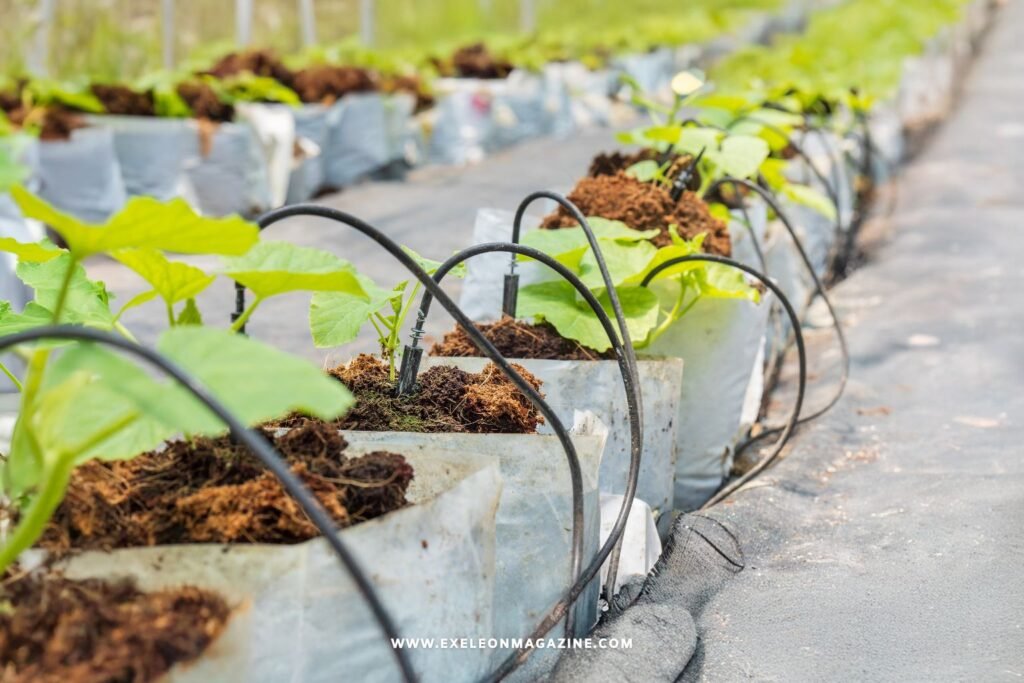
Growing food indoors is no longer just a hobby for people with green thumbs. It is now a massive global industry that offers a path for entrepreneurs to build a stable and profitable company. With changes in how we think about food security, these greenhouse systems provide a way to grow crops all year, regardless of the weather outside. You can start small and expand as your client base grows. This guide looks at why entering this space is a smart move for your next business venture.
The Growth of Commercial Growing
The market for professional growing spaces is seeing a huge spike in value. Recent data shows that the commercial greenhouse system market size is expected to grow by $12.77 billion between 2023 and 2028. This rise comes from a need for fresh produce in areas where the soil is poor or the climate is too harsh for traditional farming.
Investors are putting a lot of money into these projects. Some reports suggest the market will reach $42.92 billion by 2027. This creates a steady demand for new builds and high-quality supplies.
High Tech Equipment Drives Success
Modern farming relies on advanced tools to keep plants healthy and yield high. Choosing the right greenhouse structures and equipment is the foundation of any scalable growing operation. You need systems that can handle heavy snow or high winds while keeping the internal climate perfect. Hardware is expected to be the main source of revenue for companies in this sector for several years.
Investing in quality pays off through better crop performance. High-tech setups can produce 30 times more yield per square meter compared to traditional open-field farming for crops like tomatoes. This efficiency makes it easier to turn a profit on a smaller piece of land.
Smart Tech and Robotics
Automation is changing how these businesses run day-to-day. Using robots and AI helps reduce the need for manual labor, which is often hard to find. In late 2024, new plant-lowering robots were introduced to help manage tall crops in greenhouses.
These tools do more than just move plants. They monitor health and catch problems before they spread. Glass greenhouses currently hold about 37.8% of the market share because they allow for better light and the integration of these smart tools.
Efficiency Through Lighting
Lighting is one of the highest costs for an indoor farm. Recent jumps in technology have made this much more affordable for new owners. LED fixture efficiency improved by 25% between 2020 and 2025.
Better lights mean you can grow crops that require high intensity without a massive electric bill. This allows business owners to focus on premium items like microgreens or exotic flowers. Lower energy use also helps the business stay environmentally friendly.
Soil-Free Farming Methods
Many new businesses are moving away from traditional dirt. Hydroponics is a method where plants grow in water rich with nutrients. This tech is expected to make up nearly 44.7% of all revenue in this industry by 2027.
Benefits of Hydroponic Systems
- Uses significantly less water than field farming.
- Allows for faster growth cycles for leafy greens.
- Reduces the risk of soil-borne pests and diseases.
- Easier to stack vertically to save space.
Financial Planning for New Operations
Starting a professional growing facility is not cheap. You have to account for the building, the watering systems, and the climate controls. A full-scale hydroponics facility can require an investment of up to $10 million, depending on the size.
Small business owners often start with simpler kits and reinvest their profits. Scaling up slowly allows you to learn the local market before committing to a massive build. Most successful owners find that the high initial cost is balanced by the ability to sell fresh food at a premium price.
Sustainable Business Models
Consumers want to know where their food comes from. Being able to provide local veggies in the middle of winter is a huge selling point. This “local first” approach helps you build a brand that people trust and support.
Ways to Scale Your Brand
- Partner with local restaurants for custom produce orders.
- Offer subscription boxes to neighbors and local families.
- Sell specialty herbs that do not travel well over long distances.
- Provide educational tours to schools and community groups.
Future Proofing Your Venture
The world population is growing, and the amount of farmable land is shrinking. This makes indoor growing a “future-proof” industry. As technology gets better, the cost to run these systems will likely continue to drop.
Staying updated on the latest hardware ensures you stay competitive. Whether you are growing lettuce or flowers, the goal is consistency. A well-managed greenhouse system provides a reliable harvest every single week of the year.
Building a business in this field takes work and a bit of a learning curve. But the combination of high-tech tools and a constant demand for food makes it a very attractive path. If you focus on quality and use the right tools from the start, you can build an operation that lasts for decades. Now is the time to look at how these systems can fit into your professional goals.