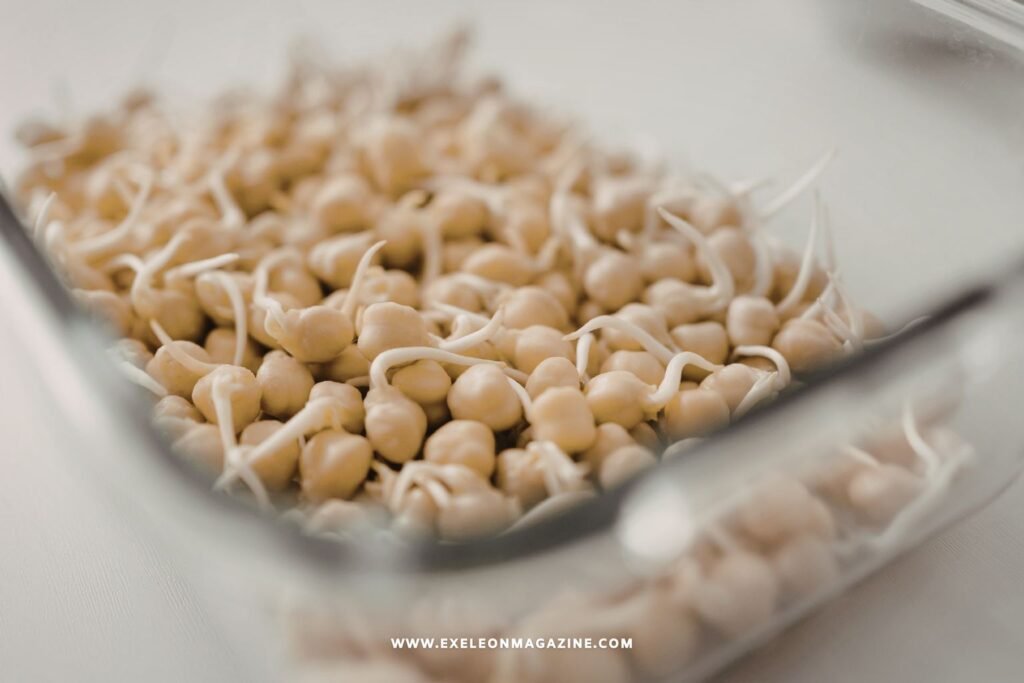
Sprouted grains have moved from a niche ingredient to a strategic component in modern baking and large-scale food manufacturing. As commercial bakeries, snack brands, and ingredient developers look for ways to differentiate products, sprouted grain flours and inclusions are gaining attention for their flavour complexity, functional versatility, and alignment with evolving consumer expectations around ingredient sourcing and transparency.
The growing interest has also shifted how manufacturers evaluate sourcing partners. Working with a reliable Canadian grain supplier ensures consistent grain quality, traceability, and scalable production that commercial bakeries require when incorporating sprouted ingredients into breads, crackers, cereals, and specialty baked goods.
Why Food Manufacturers Are Turning to Sprouted Grains
Sprouting changes how grains behave during milling and baking at the production level. Controlled germination activates enzymes that influence starch structure, moisture absorption, and flavour development. For commercial bakers, this creates opportunities to develop products with distinctive taste profiles and improved dough performance.
Food manufacturers are increasingly using sprouted grains for:
- Artisan and specialty breads
- Flatbreads and tortillas
- Crackers and savoury snacks
- Granolas and cereal blends
- Baking mixes and flour blends
The appeal is not limited to craft bakeries. Large industrial producers are integrating sprouted grain ingredients to expand premium product lines and create differentiation in competitive grocery categories. The global sprouted grains and seeds market is projected to grow by a compound annual growth rate (CAGR) of around 10.2% between the time of this writing and 2028.
Flavour and Texture Innovation
One of the most compelling reasons for sprouted grains in baking is the flavour profile they create. During sprouting, natural enzymatic activity begins breaking down stored starches, producing subtle sweetness and deeper grain character. This gives baked products a more complex taste without requiring additional sweeteners or flavour additives.
Texture is another advantage. Sprouted grain flours can influence crumb softness, crust colour, and overall dough elasticity. When used strategically in blends with conventional flour, they allow bakers to fine-tune the eating experience of finished products.
For manufacturers focused on premium or artisan positioning, this combination of flavour and texture can significantly elevate a product line.
Supply Chain and Processing Considerations
As demand grows, ingredient sourcing becomes a critical part of the equation. Sprouted grains require precise handling throughout the production process, including controlled germination, drying, and milling. Maintaining consistency at scale requires close collaboration between food manufacturers and experienced grain processors.
Key factors manufacturers evaluate when selecting a supplier include:
- Consistent germination standards
- Reliable bulk supply capacity
- Food safety certifications
- Traceable sourcing and quality control
- Custom milling and ingredient formats
Without strong supplier relationships, maintaining product consistency across production runs becomes significantly more difficult.
A Growing Role in Modern Food Manufacturing
As commercial bakeries and food manufacturers continue to explore ingredient innovation, sprouted grains are becoming an increasingly valuable tool in the formulation toolkit. Their functional properties, distinctive flavour characteristics, and compatibility with modern production systems position them as an ingredient category with strong momentum.
For manufacturers willing to experiment with grain formats, milling styles, and supplier partnerships, sprouted grains offer a pathway to developing bakery products that stand out in crowded markets while maintaining scalable production efficiency.