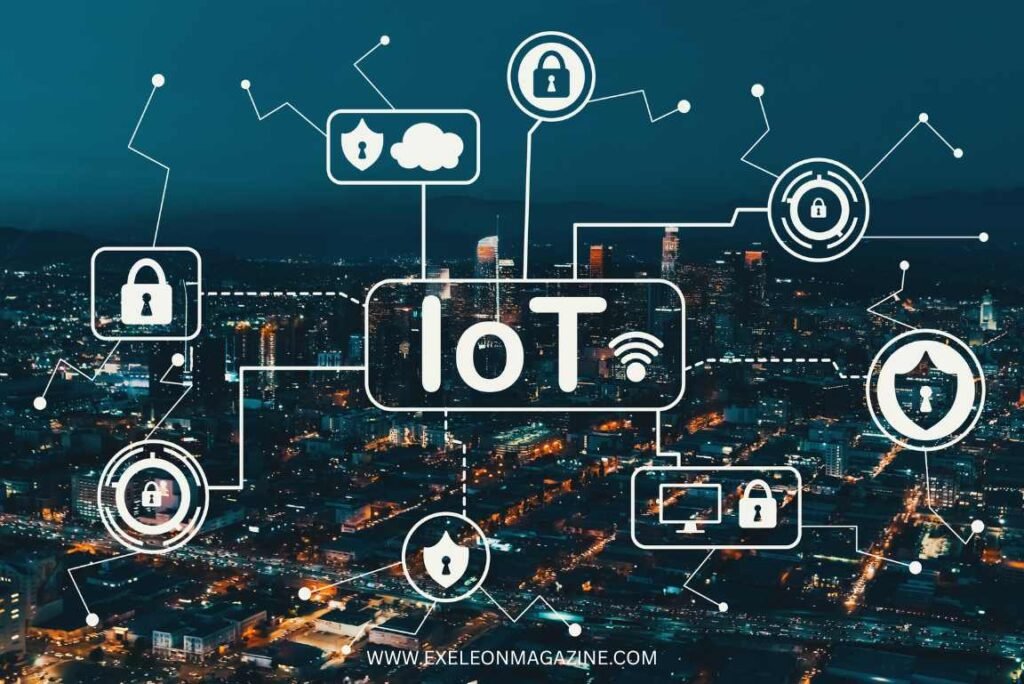
The Internet of Things (IoT) is no longer a futuristic concept, it is a rapidly expanding reality that is reshaping how we live, work, and interact with the world. At its core, IoT refers to the network of physical objects “things”embedded with sensors, software, connectivity, and computing capabilities that allow them to collect, exchange, and act on data. From smart thermostats and wearable health monitors to industrial machinery and connected cities, IoT is weaving intelligence into the fabric of everyday life.
As connectivity becomes cheaper and more reliable, and as cloud computing and artificial intelligence mature, IoT continues to scale at an unprecedented pace. Billions of devices are already connected globally, and that number is expected to grow significantly in the coming years. This article explores what IoT is, how it works, its major applications, benefits, challenges, and where it is headed next.
What Is the Internet of Things?
The Internet of Things describes a system in which physical devices are connected to the internet and can communicate with each other or with centralized platforms. These devices are equipped with sensors to capture data such as temperature, motion, heart rate, or location and actuators that allow them to take action based on that data.
What makes IoT powerful is not just connectivity, but automation and intelligence. Devices can operate with minimal human intervention, responding in real time to environmental changes or user behavior. For example, a smart irrigation system can monitor soil moisture and weather forecasts to water crops only when necessary, conserving water while maximizing yield.
How IoT Works: The Building Blocks
IoT systems typically consist of several key components:
- Devices and Sensors
These are the “things” themselves, physical objects embedded with sensors and hardware. They collect data from their environment, whether that’s a smartwatch tracking steps or an industrial sensor measuring pressure. - Connectivity
Data collected by devices must be transmitted somewhere. This is done through various communication technologies such as Wi-Fi, Bluetooth, cellular networks (4G/5G), LPWAN (like LoRaWAN), or even satellite connections for remote areas. - Data Processing and Cloud Platforms
Once data is transmitted, it is processed often in the cloud where analytics, machine learning, and rules engines turn raw data into actionable insights. - User Interfaces and Integration
The processed information is presented to users via dashboards, mobile apps, or integrated into other systems, enabling monitoring, control, and decision-making.
Key Applications of IoT
IoT’s versatility allows it to span nearly every industry. Some of the most impactful applications include:
Smart Homes and Consumer IoT
Smart home devices like connected lights, locks, speakers, and appliances improve convenience, energy efficiency, and security. Voice assistants act as centralized hubs, enabling users to control multiple devices seamlessly.
Healthcare and Wearables
In healthcare, IoT enables remote patient monitoring, chronic disease management, and improved diagnostics. Wearable devices track vital signs such as heart rate, sleep patterns, and physical activity, allowing for early intervention and personalized care.
Industrial IoT (IIoT)
Factories and industrial environments use IoT to monitor equipment health, optimize production, and reduce downtime. Predictive maintenance where machines alert operators before failures occur is a major cost-saving application.
Smart Cities
IoT is a cornerstone of smart city initiatives, supporting intelligent traffic systems, waste management, environmental monitoring, and public safety. Connected infrastructure helps cities operate more efficiently and sustainably.
Agriculture
Precision agriculture uses IoT sensors to monitor soil conditions, crop health, and weather patterns. Farmers can make data-driven decisions that increase productivity while reducing resource usage.
Data, Connectivity, and Network Infrastructure
As IoT devices proliferate, managing data flows and connectivity becomes increasingly complex. Devices often operate in diverse geographic regions and network environments, generating massive volumes of data that must be transmitted securely and reliably.
In many IoT deployments, especially those involving large-scale data collection, testing, or global access, network routing and IP management play an important role. For example, developers and enterprises may rely on solutions such as a static residential proxy server to maintain consistent network identities, manage device communications, or test IoT services under real-world network conditions. While not always visible to end users, such infrastructure components help ensure reliability, scalability, and performance across distributed IoT ecosystems.
Benefits of the Internet of Things
The rapid adoption of IoT is driven by a wide range of benefits:
- Efficiency and Automation: IoT reduces manual effort by automating routine processes and enabling real-time monitoring.
- Cost Savings: Predictive maintenance, optimized resource use, and reduced downtime translate into significant savings.
- Improved Decision-Making: Data-driven insights allow organizations to respond quickly to changes and trends.
- Enhanced User Experience: Personalized services and responsive environments improve convenience and satisfaction.
- Sustainability: IoT helps reduce waste, conserve energy, and monitor environmental impact.
Security and Privacy Challenges
Despite its promise, IoT introduces serious security and privacy concerns. Many devices have limited computing power, making it difficult to implement strong encryption and security protocols. Poorly secured devices can become entry points for cyberattacks, data breaches, or large-scale botnets.
Privacy is another major issue. IoT devices often collect sensitive personal or operational data, raising questions about data ownership, consent, and regulatory compliance. Addressing these challenges requires a combination of secure device design, regular software updates, network protection, and clear data governance policies.
Interoperability and Standards
One of the ongoing challenges in IoT is interoperability. Devices from different manufacturers may use different communication protocols, data formats, or platforms, making integration difficult. Industry-wide standards and open frameworks are critical to ensuring that devices can work together seamlessly.
Organizations and alliances are actively developing standards to promote compatibility, scalability, and security across IoT ecosystems. As these standards mature, adoption barriers are likely to decrease.
The Role of AI and Edge Computing
Artificial intelligence (AI) and edge computing are transforming how IoT systems operate. Instead of sending all data to centralized cloud servers, edge computing allows data to be processed closer to the source on the device itself or nearby gateways. This reduces latency, conserves bandwidth, and enables real-time decision-making.
AI models embedded at the edge can detect anomalies, recognize patterns, and trigger actions instantly. For example, a smart factory can shut down equipment immediately if sensors detect dangerous conditions, without waiting for cloud-based analysis.
The Future of IoT: What Lies Ahead
The future of IoT is deeply intertwined with other emerging technologies. The rollout of 5G networks will provide faster speeds and lower latency, enabling more reliable connections for massive numbers of devices. Advances in AI will make IoT systems more autonomous and adaptive. Blockchain may play a role in securing device identities and data integrity.
We can also expect IoT to become more invisible embedded seamlessly into environments rather than existing as standalone gadgets. As devices become smaller, cheaper, and more energy-efficient, the vision of “connecting everything, everywhere” moves closer to reality.
Conclusion
The Internet of Things represents a fundamental shift in how technology interacts with the physical world. By connecting devices, data, and intelligence, IoT enables smarter homes, more efficient industries, healthier populations, and more sustainable cities. While challenges around security, privacy, and interoperability remain, ongoing innovation and collaboration continue to push the ecosystem forward.
As IoT expands, it will not simply add more connected devices, it will redefine systems, processes, and experiences across every sector. In doing so, IoT is laying the foundation for a more connected, responsive, and intelligent world.