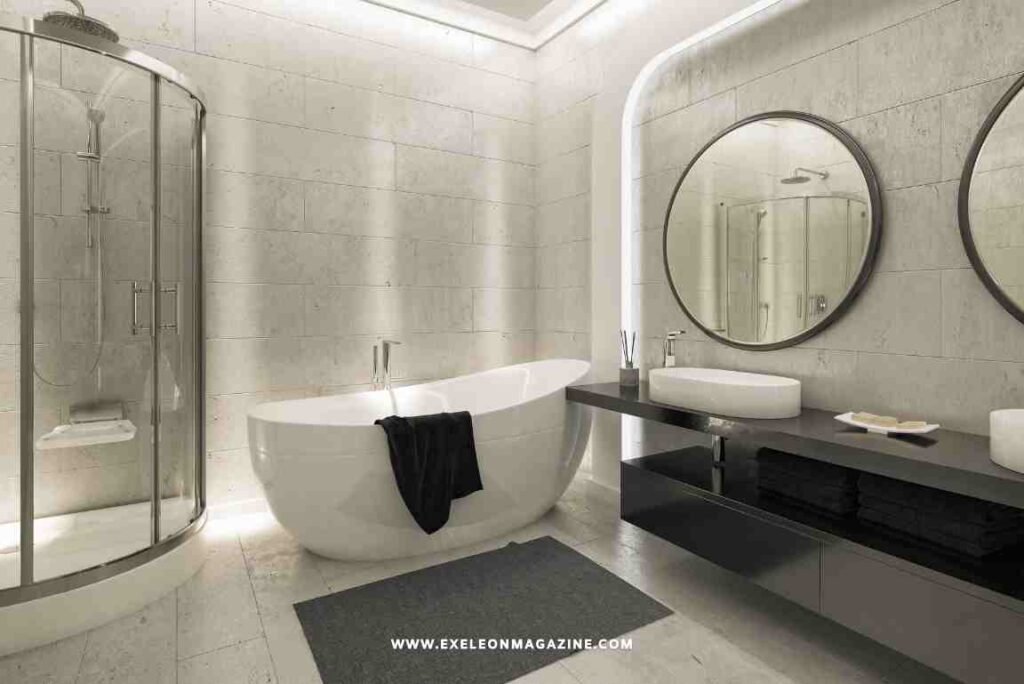
Planning a bathroom renovation that doesn’t break the bank requires strategic thinking and careful budgeting. Whether you’re updating a tired space or completely transforming your bathroom, smart planning can save you thousands without compromising on quality. When considering bathroom renovations and upgrades in Bayside or anywhere in Australia, understanding how to allocate your funds efficiently is the key to success.
Key Takeaways
- Setting a realistic budget with a 15-20% contingency fund helps avoid cost blowouts
- Keeping the existing plumbing layout can save $3,000-$5,000 on renovation costs
- Strategically mixing high-end visible elements with budget-friendly hidden components maximises value
- Timing purchases around sales cycles and using factory seconds can reduce material costs by 20-40%
- Knowing which tasks to DIY and which to leave to professionals ensures both savings and quality
Budgeting Basics
Understanding typical cost ranges is the foundation of any bathroom renovation budget. In Australia, a small cosmetic update typically costs $5,000-$15,000, while a mid-range renovation runs $15,000-$30,000. Full overhauls with premium fixtures and structural changes can exceed $30,000.
When building your budget, include line items for demolition ($1,000-$3,000), plumbing ($2,000-$5,000), electrical ($1,500-$4,000), waterproofing ($1,000-$2,500), fixtures ($2,000-$10,000+), tiles ($2,000-$8,000), labour ($3,000-$10,000), permits ($500-$2,000), and waste removal ($500-$1,500).
Always set aside 15-20% of your total budget as contingency for unexpected issues like water damage, mould, or structural problems. Smaller projects may need less (10-15%), while older homes often warrant a larger buffer (20-25%).
Pre-Renovation Planning
Before demolition begins, measure your space accurately and create a detailed layout. List must-haves (functional shower, toilet, vanity) separately from nice-to-haves (heated towel rails, feature lighting). Document existing plumbing and electrical points to understand potential constraints or opportunities.
Australian bathroom renovations often require council approval, particularly when changing plumbing locations or altering waterproofing. Check with your local council about requirements and budget $500-$2,000 for permits depending on your location and scope.
When gathering quotes, aim for at least three from different providers. Compare not just price but also warranties (look for 5-7 years minimum), timeline commitments, insurance coverage, and valid trade licences. Request itemised quotes to compare specific costs accurately.
Cost-Cutting Design Choices
The single most effective way to reduce renovation costs is maintaining your existing plumbing layout. Moving a toilet or shower can add $3,000-$5,000 to your budget due to new pipework, waterproofing, and additional labour.
For value-driven finishes, consider:
- Standard-sized tiles (600x600mm) which are typically cheaper than oversized or tiny mosaic options
- Ceramic tiles in wet areas and porcelain only where necessary
- Feature tiles used sparingly as accents rather than covering entire walls
- Mid-range tapware from reliable brands like Caroma or Dorf rather than premium European brands
- Standard white sanitaryware which remains timeless and affordable
Prioritise spending on items users interact with daily: quality shower fixtures, comfortable toilet, and durable vanity tops. Save on hidden elements like standard P-traps instead of designer options or basic exhaust fans with good performance but fewer features.
Smart Material Selection
Achieve significant savings without sacrificing style by choosing cost-effective alternatives:
“The most successful budget-conscious renovations focus on clever material substitutions that mimic high-end finishes at a fraction of the price. Porcelain tiles that replicate natural stone or engineered stone vanity tops can create luxury aesthetics without the premium price tag.” – All Cabinetry
Consider recessed shelving in shower areas instead of expensive niches, off-the-shelf vanities from major retailers ($500-$1,500) rather than custom units ($2,000+), and laminate cabinetry which has dramatically improved in quality and appearance in recent years.
Areas worth investing in include quality waterproofing (never skimp here), proper drainage systems, and reliable plumbing fixtures from established brands that offer parts availability. Budget cuts here often lead to costly repairs later.
Source materials from wholesalers like Reece’s bathroom life outlet stores, national chains (Bunnings, Beaumont Tiles), factory outlets, and online marketplaces. Many suppliers offer trade discounts of 10-30% even to one-time renovators if you ask.
Labour and Trade Management
In Australia, always verify licences for tradespeople: plumbers need a plumbing licence, electricians require electrical licences, and waterproofers should have waterproofing certification. For larger renovations, check if your builder holds appropriate builder’s registration.
To secure better quotes, provide detailed scope documents with exact specifications and measurements. Consider bundling trades under one contractor for better rates and ask about discounts for booking multiple bathrooms or combining with other home projects.
Project managing yourself can save 10-20% on total costs but requires time and coordination skills. For complex renovations, a dedicated project manager might actually save money by avoiding costly mistakes and delays.
Strategic Shopping
Timing significantly impacts bathroom renovation costs. Major retailers typically hold sales in January and July, while end-of-financial-year sales in June offer substantial discounts. Plan purchases 3-6 months ahead of your renovation start date to catch these opportunities.
Factory seconds and display models can provide savings of 30-50% with minimal or unnoticeable imperfections. Many manufacturers have dedicated outlet stores or sections. Building supply companies often offer trade accounts to renovators with discounts of 10-25% on retail prices.
Combine cashback offers, credit card rewards programs, and store loyalty programs for additional savings of 5-15%. Many bathroom suppliers offer package deals when purchasing multiple items like toilet, basin and tapware together.
DIY vs Professional Work
Safe DIY tasks that can reduce labour costs include:
- Demolition (saving $800-$2,000)
- Basic painting (saving $500-$1,200)
- Installing accessories like towel rails and toilet roll holders (saving $200-$400)
- Simple tiling on non-waterproofed walls for experienced DIYers
- Cabinet assembly and installation for modular units
Always leave waterproofing, plumbing connections, electrical work, and structural modifications to qualified professionals. These are high-risk areas where mistakes can lead to expensive damage, voided insurance, or safety hazards.
Reduce professional labour costs by completing prep work yourself: remove old fixtures, clear the workspace, purchase and deliver materials in advance, and assemble flat-pack items before tradespeople arrive.
Efficient Scheduling
Coordinated scheduling prevents costly delays. Book inspections well in advance, especially waterproofing certifications which must cure before tiling can begin. Develop a clear timeline with all trades to avoid having workers waiting around (and charging) while another job finishes.
Consider booking trades during their off-peak periods: many tradespeople offer discounted rates during winter months or immediately after holiday periods when work is typically slower.
Minimise disruption by planning work in logical stages and communicating clearly with all parties. Having all materials on-site before work begins prevents costly return visits from tradespeople.
Sample Budget Breakdown
Here’s how costs typically break down for an Australian bathroom renovation:
Small Update ($10,000)
– Demolition/preparation: $800
– Plumbing: $1,800
– Electrical: $1,200
– Waterproofing: $800
– Tiling (labour and materials): $2,200
– Fixtures (toilet, vanity, shower): $2,000
– Accessories and finishing: $700
– Contingency: $500
Mid-Range Renovation ($25,000)
– Demolition/preparation: $1,500
– Plumbing: $3,500
– Electrical: $2,500
– Waterproofing: $1,500
– Tiling (labour and materials): $5,000
– Fixtures (toilet, vanity, shower): $6,000
– Cabinetry: $2,000
– Accessories and finishing: $1,500
– Contingency: $1,500
Use this breakdown as a starting point, adjusting percentages based on your specific priorities and local costs.
Conclusion
A successful bathroom renovation doesn’t require unlimited funds – just smart planning and strategic decision-making. By maintaining your existing layout, prioritising where to spend and where to save, sourcing materials carefully, and managing your project efficiently, you can achieve impressive results while keeping costs under control.
Start by defining your scope clearly, collecting multiple itemised quotes, setting a realistic contingency fund, and researching material options thoroughly. Whether you’re planning a simple refresh or complete transformation, these principles will help you maximise your renovation budget.
Ready to transform your bathroom without breaking the bank? All Cabinetry specialises in creating beautiful, functional bathrooms that balance quality with value. Contact them today to discuss how their expertise can help you achieve your renovation goals while keeping your budget intact.